

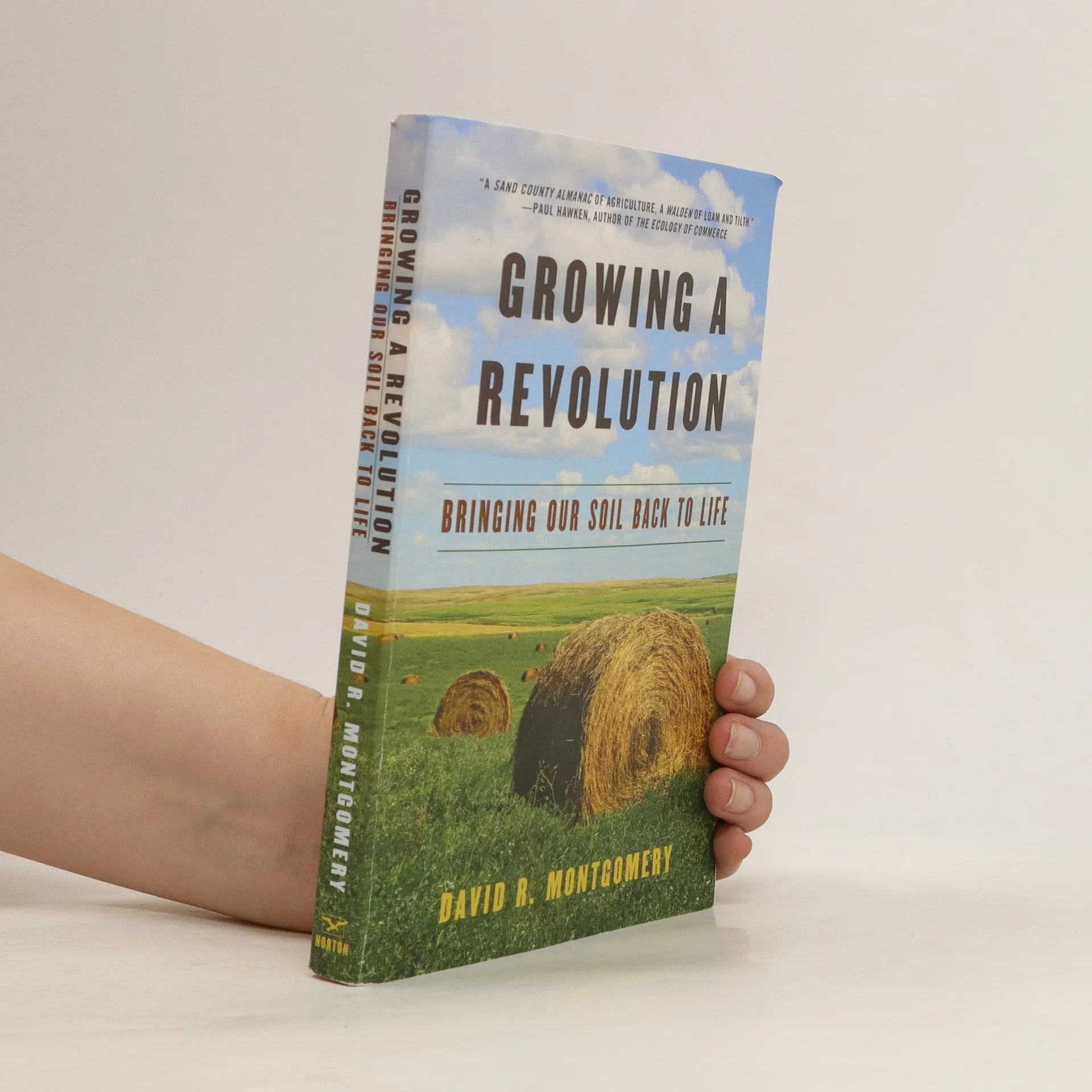


Parametry
- 320 stron
- 12 godzin czytania
Więcej o książce
Finalist for the PEN/E. O. Wilson Literary Science Writing Award "A call to action that underscores a common goal: to change the world from the ground up." —Dan Barber, author of The Third Plate For centuries, agricultural practices have eroded the soil that farming depends on, stripping it of the organic matter vital to its productivity. Now conventional agriculture is threatening disaster for the world’s growing population. In Growing a Revolution, geologist David R. Montgomery travels the world, meeting farmers at the forefront of an agricultural movement to restore soil health. From Kansas to Ghana, he sees why adopting the three tenets of conservation agriculture—ditching the plow, planting cover crops, and growing a diversity of crops—is the solution. When farmers restore fertility to the land, this helps feed the world, cool the planet, reduce pollution, and return profitability to family farms.
Zakup książki
Growing a Revolution, David Montgomery
- Język

- Rok wydania
- 2018
- Oprawa
- (miękka)
Metody płatności
Brakuje nam tutaj Twojej recenzji.
- Tytuł
- Growing a Revolution
- Język
- angielski
- Autorzy
- David Montgomery
- Wydawca
- National Geographic Books
- Rok wydania
- 2018
- Oprawa
- miękka
- Liczba stron
- 320
- ISBN10
- 0393356094
- ISBN13
- 9780393356090
- Seria
- Kategorie
- Ocena
- 4,35 z 5
- Opis
- Finalist for the PEN/E. O. Wilson Literary Science Writing Award "A call to action that underscores a common goal: to change the world from the ground up." —Dan Barber, author of The Third Plate For centuries, agricultural practices have eroded the soil that farming depends on, stripping it of the organic matter vital to its productivity. Now conventional agriculture is threatening disaster for the world’s growing population. In Growing a Revolution, geologist David R. Montgomery travels the world, meeting farmers at the forefront of an agricultural movement to restore soil health. From Kansas to Ghana, he sees why adopting the three tenets of conservation agriculture—ditching the plow, planting cover crops, and growing a diversity of crops—is the solution. When farmers restore fertility to the land, this helps feed the world, cool the planet, reduce pollution, and return profitability to family farms.