


Więcej o książce
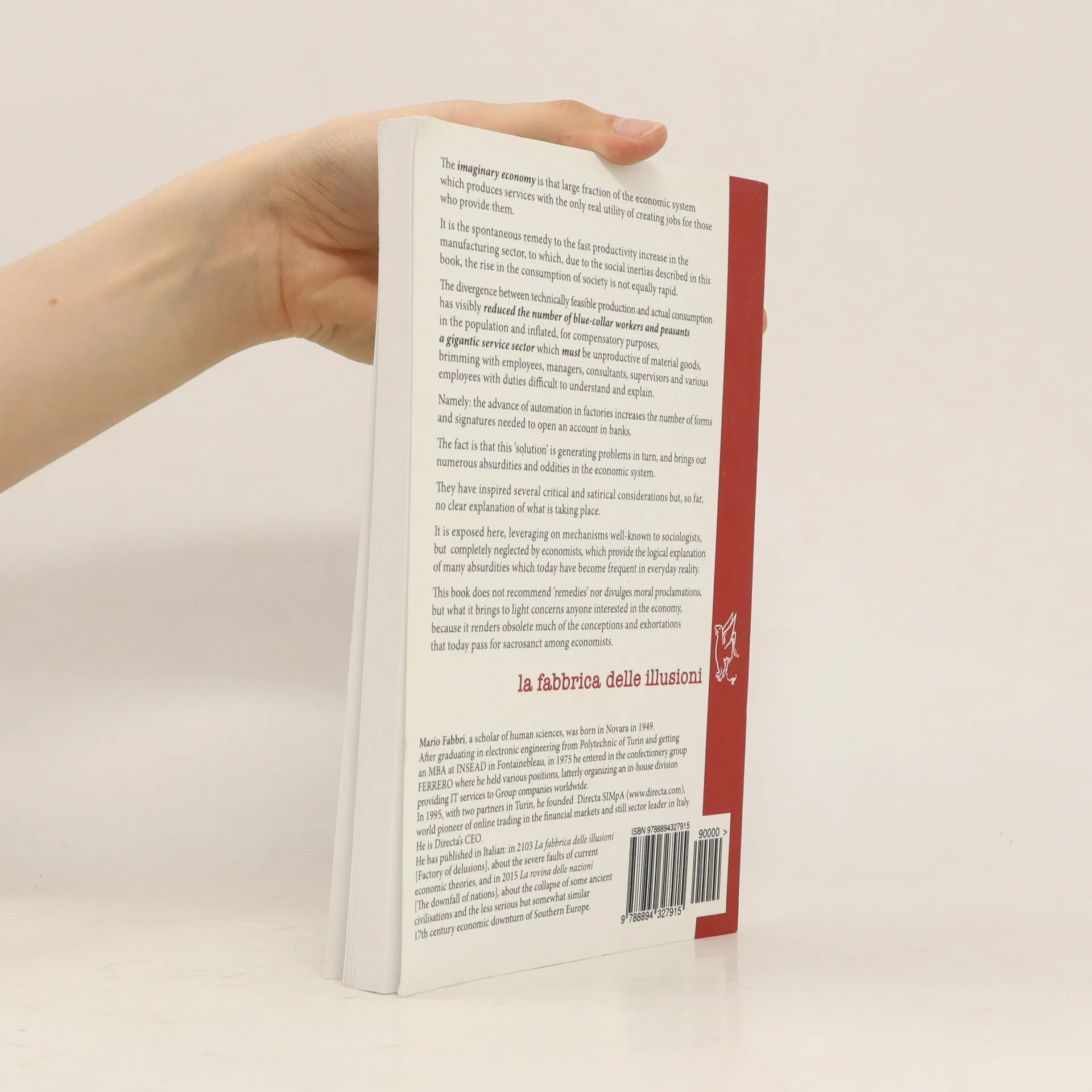
The imaginary economy constitutes a significant part of the economic system, primarily generating services that provide income to their providers. This sector emerges as a spontaneous response to the rapid productivity increases in manufacturing, where social inertia prevents a corresponding rise in consumption. The gap between what can be produced and what is consumed has led to a decline in blue-collar workers and farmers, resulting in a vast, seemingly unproductive service sector filled with employees whose roles are often unclear. As automation advances in factories, the bureaucratic demands, such as forms and signatures for banking, have only increased. This so-called 'solution' creates its own set of problems, revealing numerous absurdities within the economic system. While these issues have sparked critical and satirical commentary, a coherent explanation has been largely overlooked. This work employs sociological mechanisms, often ignored by economists, to clarify many of the absurdities prevalent in contemporary life. It does not propose remedies or moral judgments but instead challenges existing economic notions, making it relevant for anyone interested in understanding the complexities of today's economy.
Zakup książki
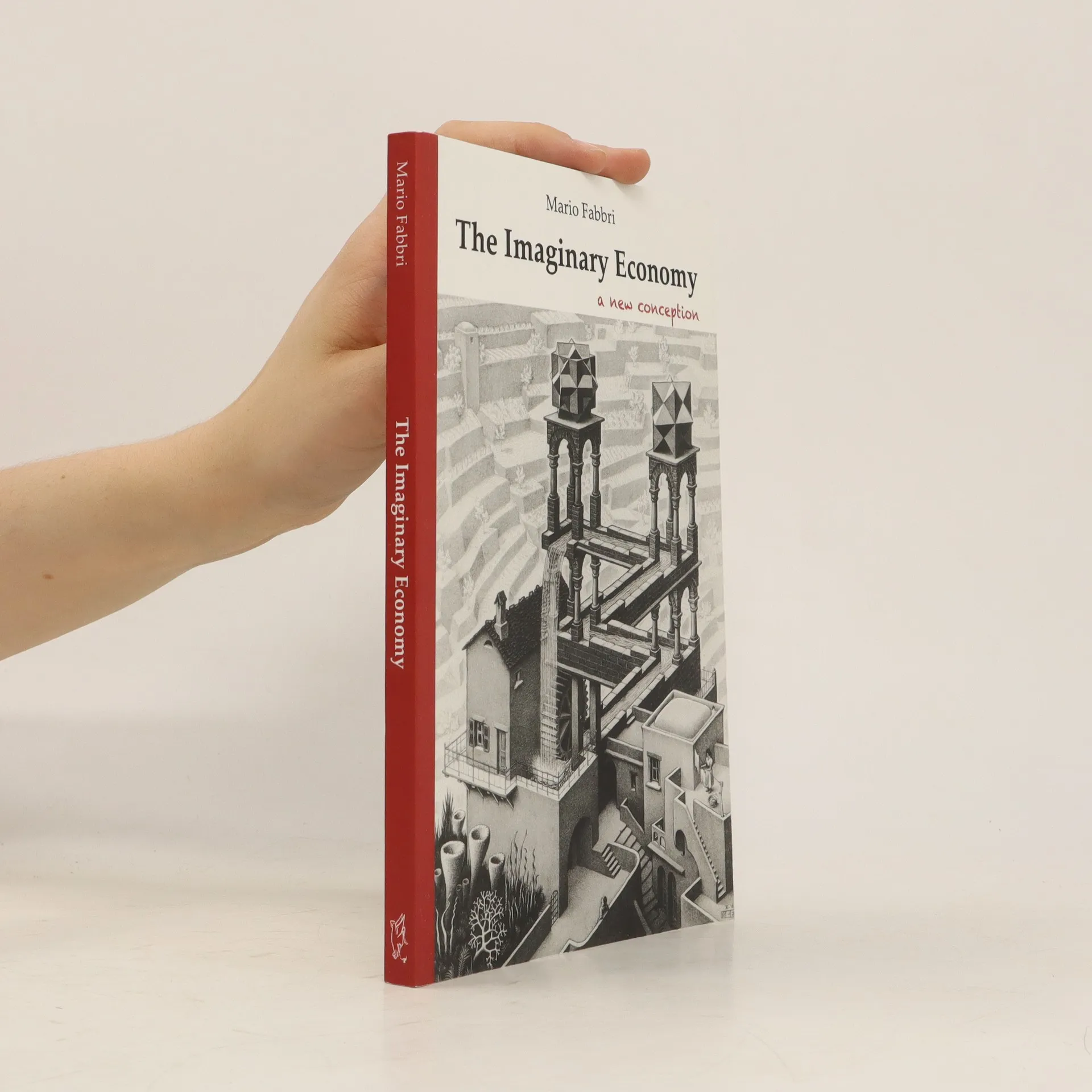
The Imaginary Economy. A New Conception, Mario Fabbri
- Język

- Rok wydania
- 2018
- Oprawa
- (miękka)
Metody płatności
Nikt jeszcze nie ocenił.
- Tytuł
- The Imaginary Economy. A New Conception
- Język
- angielski
- Autorzy
- Mario Fabbri
- Wydawca
- La fabbrica delle illusioni
- Rok wydania
- 2018
- Oprawa
- miękka
- Liczba stron
- 172
- ISBN10
- 8894327914
- ISBN13
- 9788894327915
- Seria
- Tagi
- Biznes
- Opis
- The imaginary economy constitutes a significant part of the economic system, primarily generating services that provide income to their providers. This sector emerges as a spontaneous response to the rapid productivity increases in manufacturing, where social inertia prevents a corresponding rise in consumption. The gap between what can be produced and what is consumed has led to a decline in blue-collar workers and farmers, resulting in a vast, seemingly unproductive service sector filled with employees whose roles are often unclear. As automation advances in factories, the bureaucratic demands, such as forms and signatures for banking, have only increased. This so-called 'solution' creates its own set of problems, revealing numerous absurdities within the economic system. While these issues have sparked critical and satirical commentary, a coherent explanation has been largely overlooked. This work employs sociological mechanisms, often ignored by economists, to clarify many of the absurdities prevalent in contemporary life. It does not propose remedies or moral judgments but instead challenges existing economic notions, making it relevant for anyone interested in understanding the complexities of today's economy.