


Więcej o książce
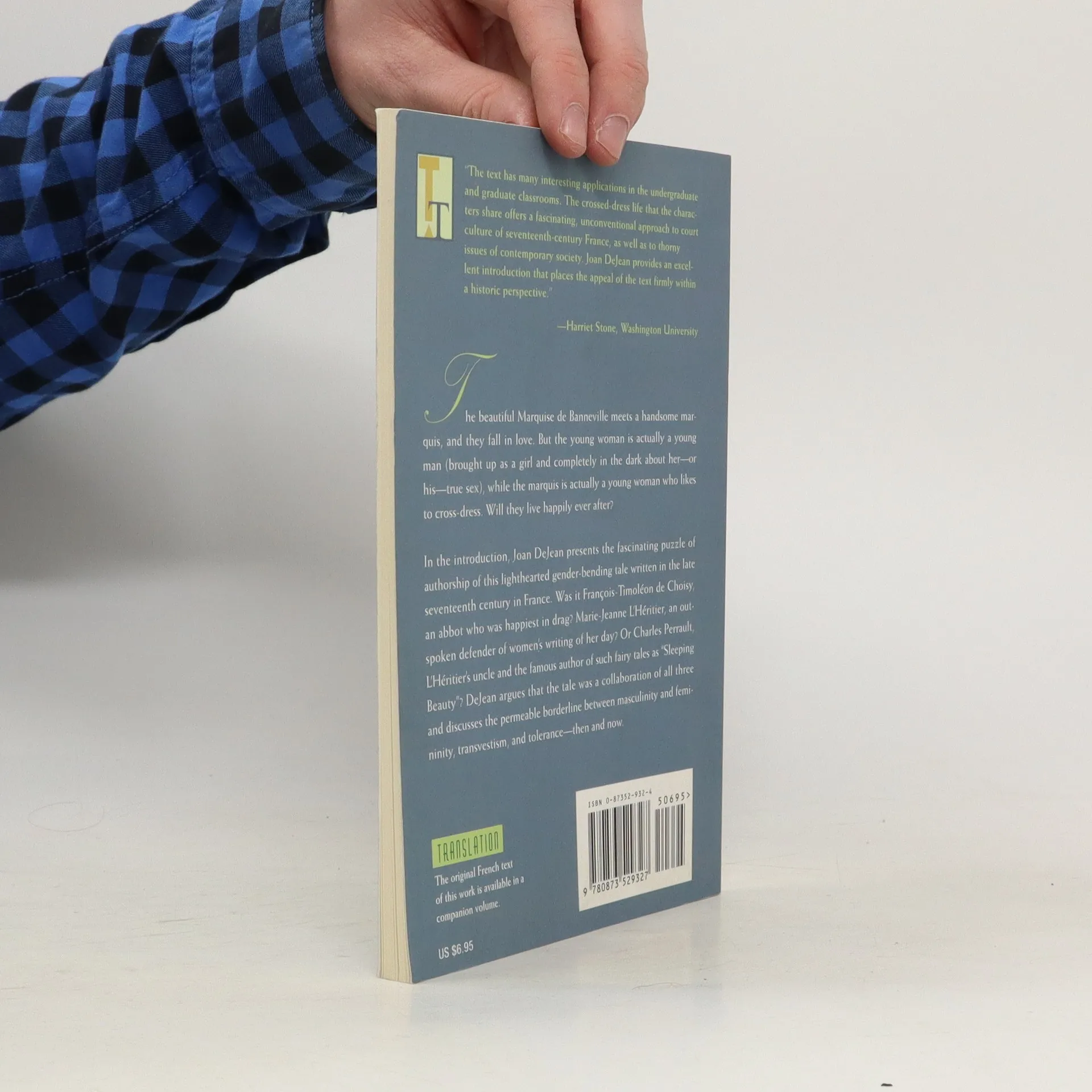
The beautiful Marquise de Banneville meets a handsome marquis, and they fall in love. But the young woman is actually a young man (brought up as a girl and completely in the dark about her―or his―true sex), while the marquis is actually a young woman who likes to cross-dress. Will they live happily ever after?In the introduction, Joan DeJean presents the fascinating puzzle of authorship of this lighthearted gender-bending tale written in the late seventeenth century in France. Was it François-Timoléon de Choisy, an abbot who was happiest in drag? Marie-Jeanne L'Héritier, an outspoken defender of women's writing of her day? Or Charles Perrault, L'Héritier's uncle and the famous author of such fairy tales as "Sleeping Beauty"? DeJean argues that the tale was a collaboration of all three and discusses the permeable borderline between masculinity and femininity, transvestism, and tolerance―then and now.
Zakup książki
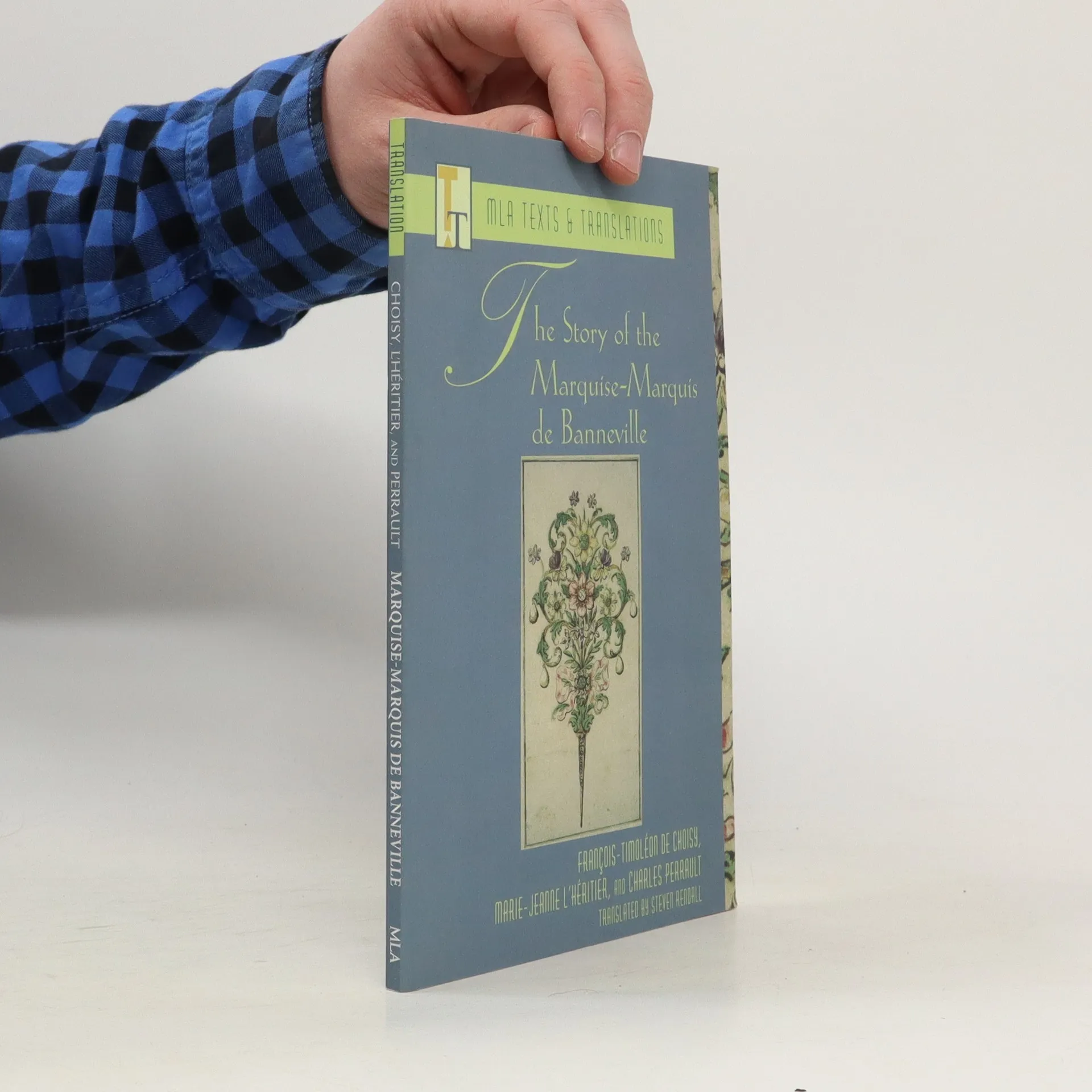
The Story of the Marquise-Marquis de Banneville, Charles Perrault, Steven Rendall
- Język

- Rok wydania
- 2004
- Oprawa
- (miękka)
Metody płatności
Brakuje nam tutaj Twojej recenzji.
- Tytuł
- The Story of the Marquise-Marquis de Banneville
- Język
- angielski
- Autorzy
- Charles Perrault, Steven Rendall
- Rok wydania
- 2004
- Oprawa
- miękka
- Liczba stron
- 66
- ISBN10
- 0873529324
- ISBN13
- 9780873529327
- Seria
- Ocena
- 4 z 5
- Opis
- The beautiful Marquise de Banneville meets a handsome marquis, and they fall in love. But the young woman is actually a young man (brought up as a girl and completely in the dark about her―or his―true sex), while the marquis is actually a young woman who likes to cross-dress. Will they live happily ever after?In the introduction, Joan DeJean presents the fascinating puzzle of authorship of this lighthearted gender-bending tale written in the late seventeenth century in France. Was it François-Timoléon de Choisy, an abbot who was happiest in drag? Marie-Jeanne L'Héritier, an outspoken defender of women's writing of her day? Or Charles Perrault, L'Héritier's uncle and the famous author of such fairy tales as "Sleeping Beauty"? DeJean argues that the tale was a collaboration of all three and discusses the permeable borderline between masculinity and femininity, transvestism, and tolerance―then and now.