



Parametry
Więcej o książce
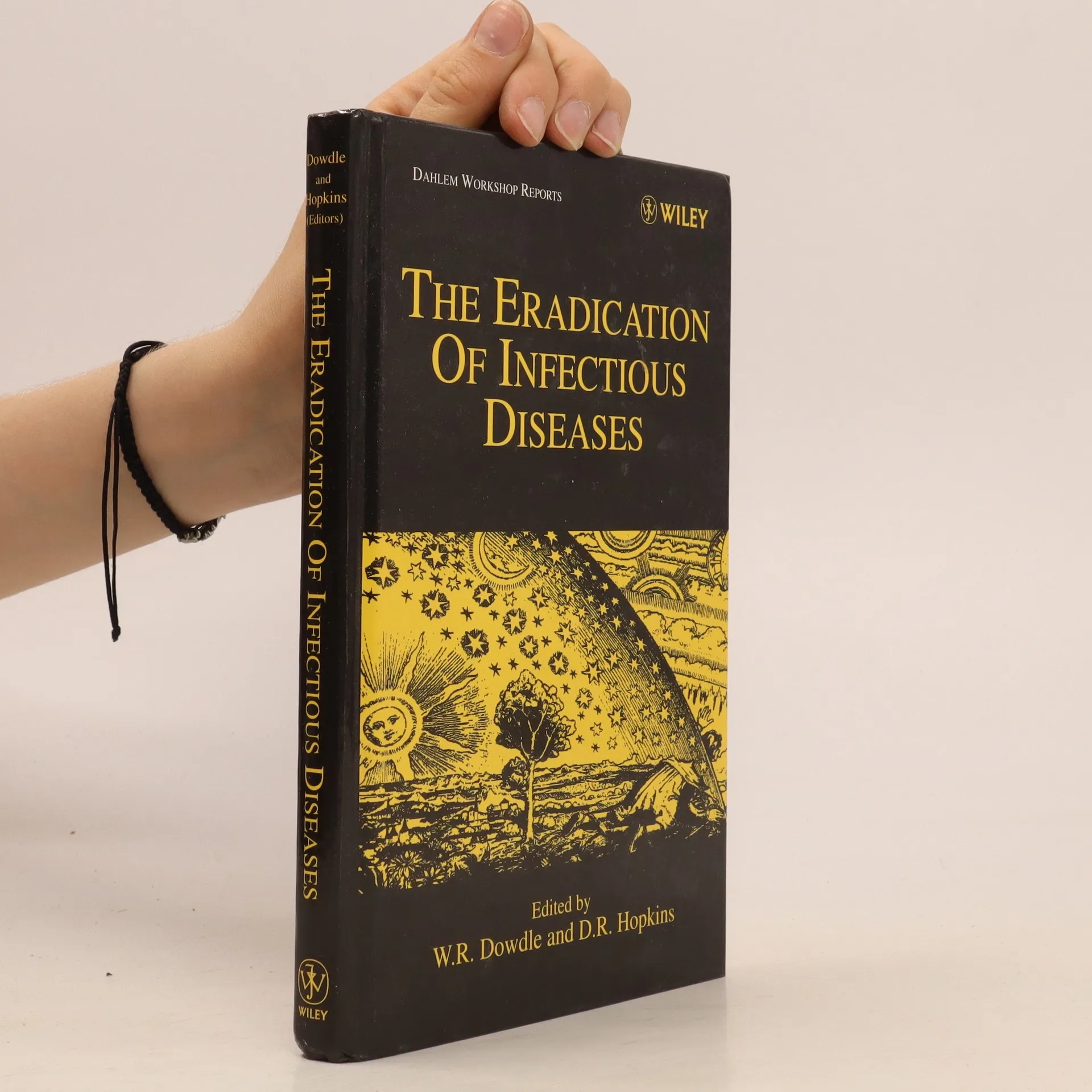
In 1993, an International Task Force for Disease Eradication evaluated over 80 potential candidate diseases and made recommendations. However, little has been done to develop the science of eradication systematically. This book reports the findings of a multidisciplinary workshop on the eradication of infectious diseases. It reviews the history of eradication efforts and lessons from previous campaigns and distinguishes among eradication, elimination, and control programs and extinction of an etiologic agent. It addresses a wide range of related issues, including biological and socio-political criteria for eradication, costs and benefits of eradication campaigns, opportunities for strengthening primary health care in the course of eradication efforts, and other aspects of planning and implementing eradication programs. Finally, it stresses the importance of global mechanisms for formulating and implementing such programs.
Zakup książki
The Eradication of Infectious Diseases, Donald Hopkins
- Język

- Rok wydania
- 1998
- Oprawa
- (twarda)
Metody płatności
Nikt jeszcze nie ocenił.
- Tytuł
- The Eradication of Infectious Diseases
- Język
- angielski
- Autorzy
- Donald Hopkins
- Wydawca
- John Wiley & Sons
- Rok wydania
- 1998
- Oprawa
- twarda
- ISBN10
- 0471980897
- ISBN13
- 9780471980896
- Seria
- Kategorie
- Opis
- In 1993, an International Task Force for Disease Eradication evaluated over 80 potential candidate diseases and made recommendations. However, little has been done to develop the science of eradication systematically. This book reports the findings of a multidisciplinary workshop on the eradication of infectious diseases. It reviews the history of eradication efforts and lessons from previous campaigns and distinguishes among eradication, elimination, and control programs and extinction of an etiologic agent. It addresses a wide range of related issues, including biological and socio-political criteria for eradication, costs and benefits of eradication campaigns, opportunities for strengthening primary health care in the course of eradication efforts, and other aspects of planning and implementing eradication programs. Finally, it stresses the importance of global mechanisms for formulating and implementing such programs.