

Więcej o książce
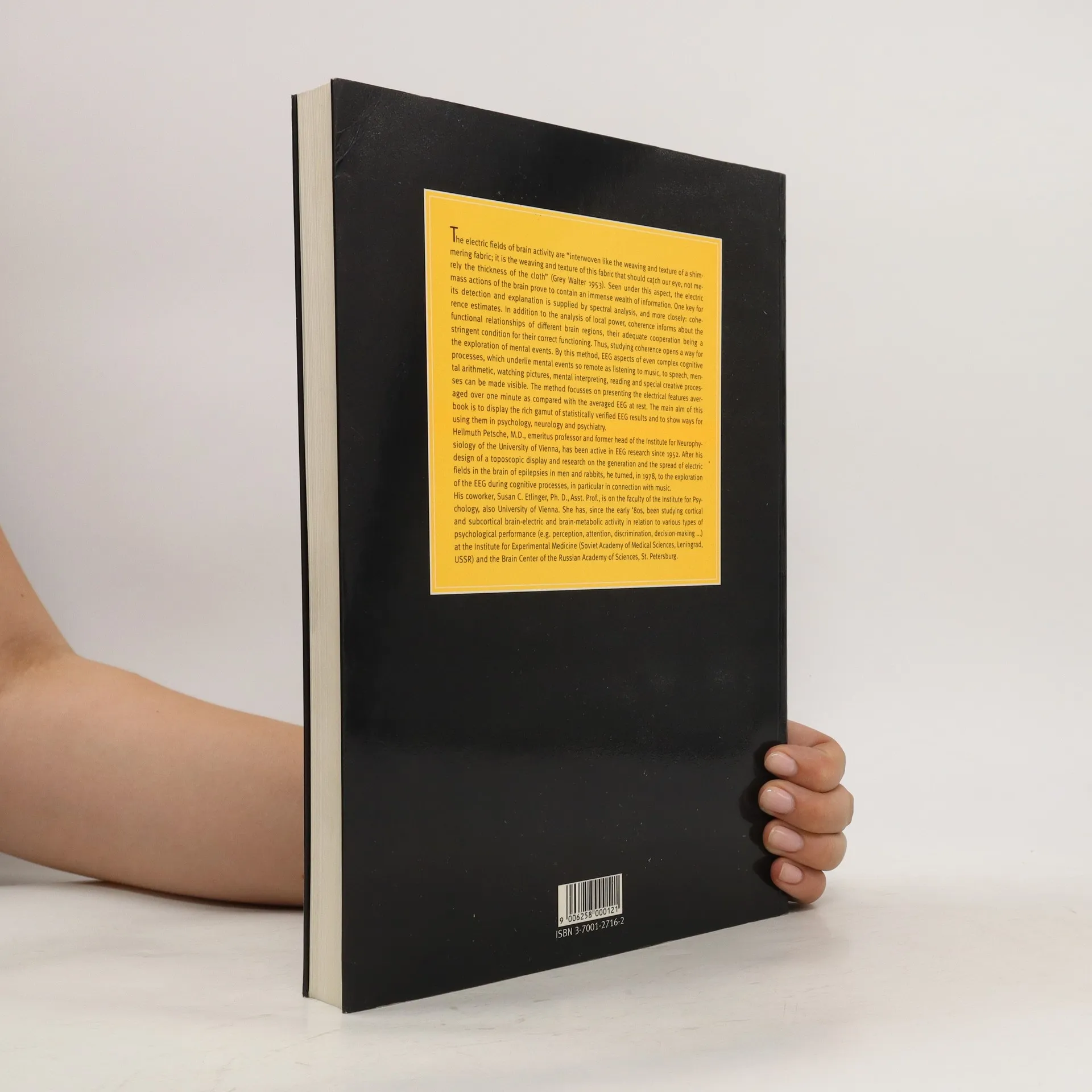
The electric fields generated by brain activity resemble a shimmering fabric, rich in information beyond mere thickness. Spectral analysis, particularly coherence estimates, is essential for uncovering this wealth. Coherence reveals the functional relationships between different brain regions, crucial for their proper functioning. By studying coherence, researchers can explore mental events linked to complex cognitive processes, such as listening to music, speech, mental arithmetic, and creative tasks. This method compares electrical features averaged over one minute with resting EEG data. The primary goal is to present a wide range of statistically verified EEG results and demonstrate their applications in psychology, neurology, and psychiatry. Hellmuth Petsche, M.D., an emeritus professor and former head of the Institute for Neurophysiology at the University of Vienna, has researched EEG since 1952. After developing a toposcopic display and studying electric field generation in epilepsy, he shifted focus in 1978 to EEG during cognitive processes, especially concerning music. His collaborator, Susan C. Etlinger, Ph.D., an assistant professor at the Institute for Psychology at the University of Vienna, has investigated brain-electric and metabolic activity related to psychological performance since the early '80s, with experience at prestigious institutions in Russia.
Zakup książki
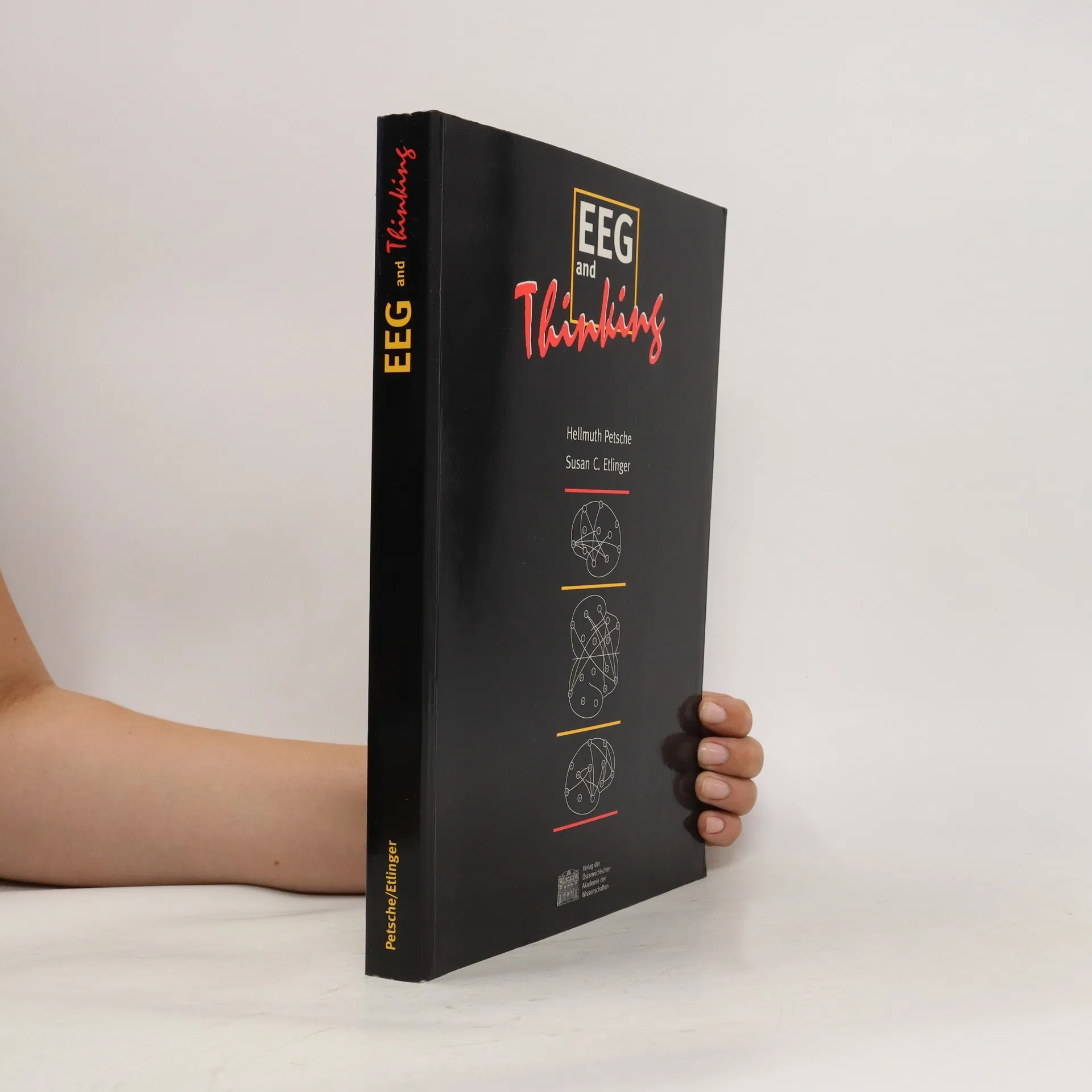
EEG and Thinking, Hellmuth Petsche, Susan C. Etlinger
- Język

- Rok wydania
- 1998
- Oprawa
- (miękka)
Metody płatności
Nikt jeszcze nie ocenił.
- Tytuł
- EEG and Thinking
- Podtytuł
- Power and Coherence Analysis of Cognitive Processes
- Język
- angielski
- Autorzy
- Hellmuth Petsche, Susan C. Etlinger
- Rok wydania
- 1998
- Oprawa
- miękka
- Liczba stron
- 384
- ISBN10
- 3700127162
- ISBN13
- 9783700127161
- Seria
- Kategorie
- Opis
- The electric fields generated by brain activity resemble a shimmering fabric, rich in information beyond mere thickness. Spectral analysis, particularly coherence estimates, is essential for uncovering this wealth. Coherence reveals the functional relationships between different brain regions, crucial for their proper functioning. By studying coherence, researchers can explore mental events linked to complex cognitive processes, such as listening to music, speech, mental arithmetic, and creative tasks. This method compares electrical features averaged over one minute with resting EEG data. The primary goal is to present a wide range of statistically verified EEG results and demonstrate their applications in psychology, neurology, and psychiatry. Hellmuth Petsche, M.D., an emeritus professor and former head of the Institute for Neurophysiology at the University of Vienna, has researched EEG since 1952. After developing a toposcopic display and studying electric field generation in epilepsy, he shifted focus in 1978 to EEG during cognitive processes, especially concerning music. His collaborator, Susan C. Etlinger, Ph.D., an assistant professor at the Institute for Psychology at the University of Vienna, has investigated brain-electric and metabolic activity related to psychological performance since the early '80s, with experience at prestigious institutions in Russia.