


Więcej o książce
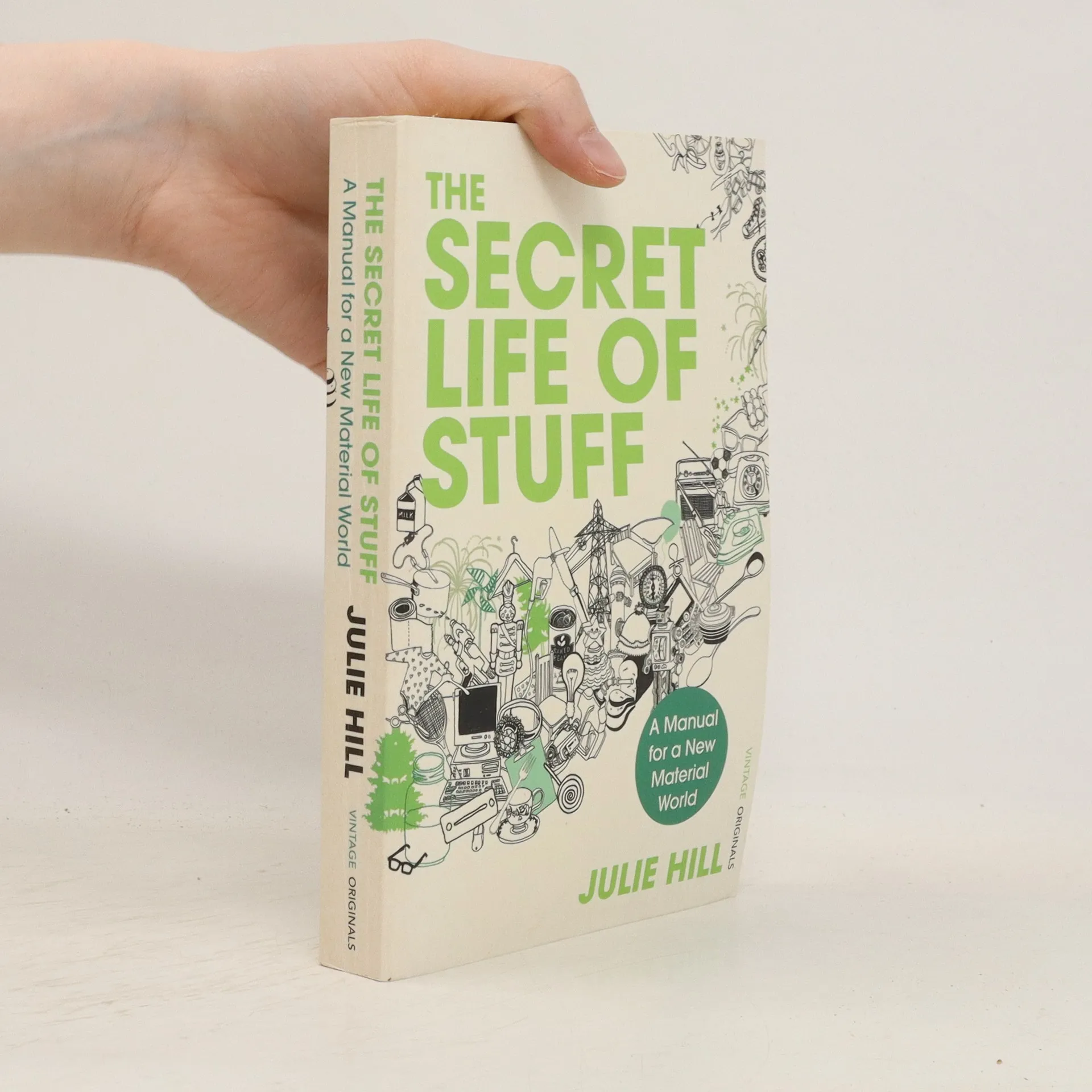
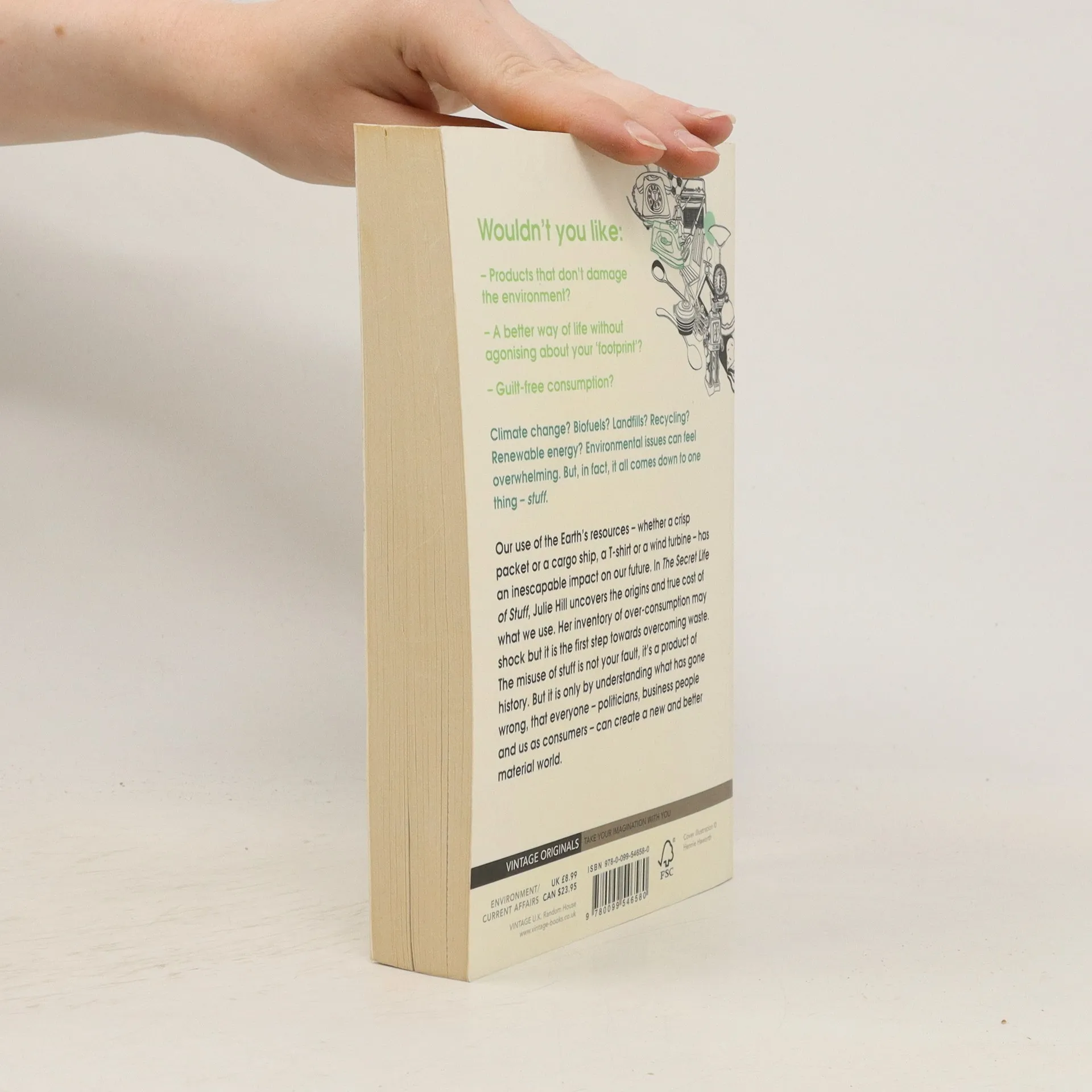
Like The Omnivore's Dilemma , this inventory of how we consume stuff is a wake-up call—shocking but inspiring, facing facts and finding solutions Taking readers on a journey through everything around us and how we use it, this book uncovers the true origin and cost of stuff, and, while the inventory will shock, it is the first step toward overcoming waste. Environmental issues can feel overwhelming—there seem to be endless issues to be educated about, including climate change, biofuels, nuclear power, landfills, recycling, and non-renewables, but, in fact, it all comes down to one thing—stuff. How people use the earth's resources—whether a slice of bread or a cargo ship, a cotton shirt or a nuclear reactor—affects the environment. Over-consumption is not your fault, but it is not something you can ignore either. Hill shows how politicians, business people, and we, as consumers and citizens, together can create a new, and better, material world.
Zakup książki
The Secret Life of Stuff, Julie Hill
- Język

- Rok wydania
- 2011
- Oprawa
- (miękka)
Metody płatności
Brakuje nam tutaj Twojej recenzji.
- Tytuł
- The Secret Life of Stuff
- Język
- angielski
- Autorzy
- Julie Hill
- Wydawca
- Random House
- Rok wydania
- 2011
- Oprawa
- miękka
- Liczba stron
- 357
- ISBN10
- 0099546582
- ISBN13
- 9780099546580
- Seria
- Ocena
- 3,3 z 5
- Opis
- Like The Omnivore's Dilemma , this inventory of how we consume stuff is a wake-up call—shocking but inspiring, facing facts and finding solutions Taking readers on a journey through everything around us and how we use it, this book uncovers the true origin and cost of stuff, and, while the inventory will shock, it is the first step toward overcoming waste. Environmental issues can feel overwhelming—there seem to be endless issues to be educated about, including climate change, biofuels, nuclear power, landfills, recycling, and non-renewables, but, in fact, it all comes down to one thing—stuff. How people use the earth's resources—whether a slice of bread or a cargo ship, a cotton shirt or a nuclear reactor—affects the environment. Over-consumption is not your fault, but it is not something you can ignore either. Hill shows how politicians, business people, and we, as consumers and citizens, together can create a new, and better, material world.