

Więcej o książce
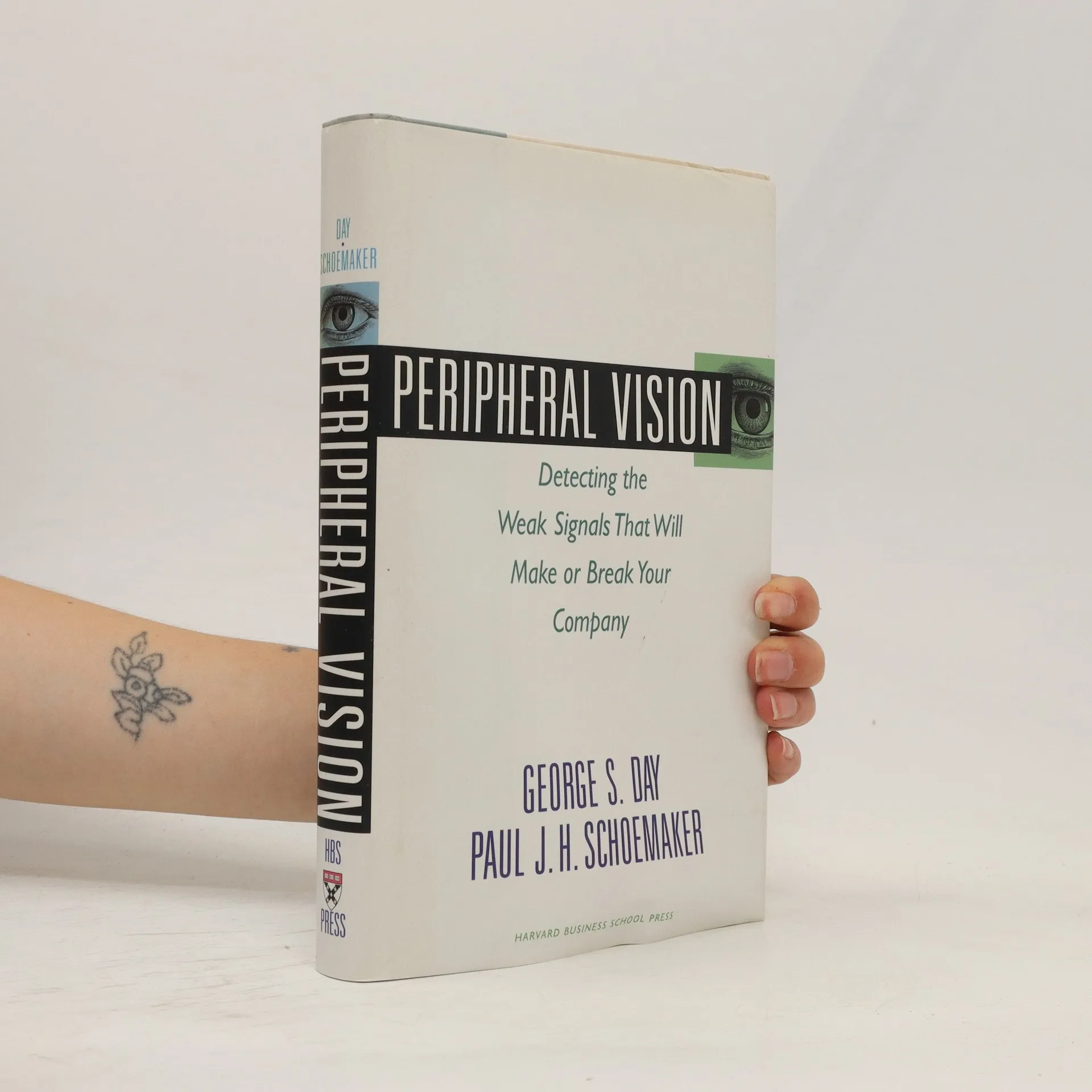
From emerging technologies to changes in consumer tastes, tremendous opportunities and threats often begin as weak signals from the periphery How good is your organisation at sensing, interpreting, and acting on these signals? George S. Day and Paul J. H. Schoemaker call this capability peripheral vision—and their research shows that less than 20 percent of firms have developed it in sufficient capacity to remain competitive. In this book, they reveal a systematic process for developing peripheral vision and offer practical tools and strategies for building "vigilant organisations" that are constantly attuned to changes in the environment. Through detailed case studies ranging from LED lighting to low-carb foods to children's dolls, the authors show how vigilant organisations win scoping widely and asking the right questions; scanning actively in the right places; interpreting what signals mean; probing carefully for more information; and acting wisely on signals before competitors do. This book will help your organisation see farther to seize the opportunities and avoid the risks that come from the periphery.
Zakup książki
Peripheral Vision, Paul J. H. Schoemaker, George S. Day
- Język

- Rok wydania
- 2006
- Oprawa
- (twarda)
Metody płatności
Brakuje nam tutaj Twojej recenzji.
- Tytuł
- Peripheral Vision
- Język
- angielski
- Autorzy
- Paul J. H. Schoemaker, George S. Day
- Rok wydania
- 2006
- Oprawa
- twarda
- Liczba stron
- 248
- ISBN10
- 1422101541
- ISBN13
- 9781422101544
- Seria
- Tagi
- Biznes
- Ocena
- 3,7 z 5
- Opis
- From emerging technologies to changes in consumer tastes, tremendous opportunities and threats often begin as weak signals from the periphery How good is your organisation at sensing, interpreting, and acting on these signals? George S. Day and Paul J. H. Schoemaker call this capability peripheral vision—and their research shows that less than 20 percent of firms have developed it in sufficient capacity to remain competitive. In this book, they reveal a systematic process for developing peripheral vision and offer practical tools and strategies for building "vigilant organisations" that are constantly attuned to changes in the environment. Through detailed case studies ranging from LED lighting to low-carb foods to children's dolls, the authors show how vigilant organisations win scoping widely and asking the right questions; scanning actively in the right places; interpreting what signals mean; probing carefully for more information; and acting wisely on signals before competitors do. This book will help your organisation see farther to seize the opportunities and avoid the risks that come from the periphery.