

Parametry
Więcej o książce
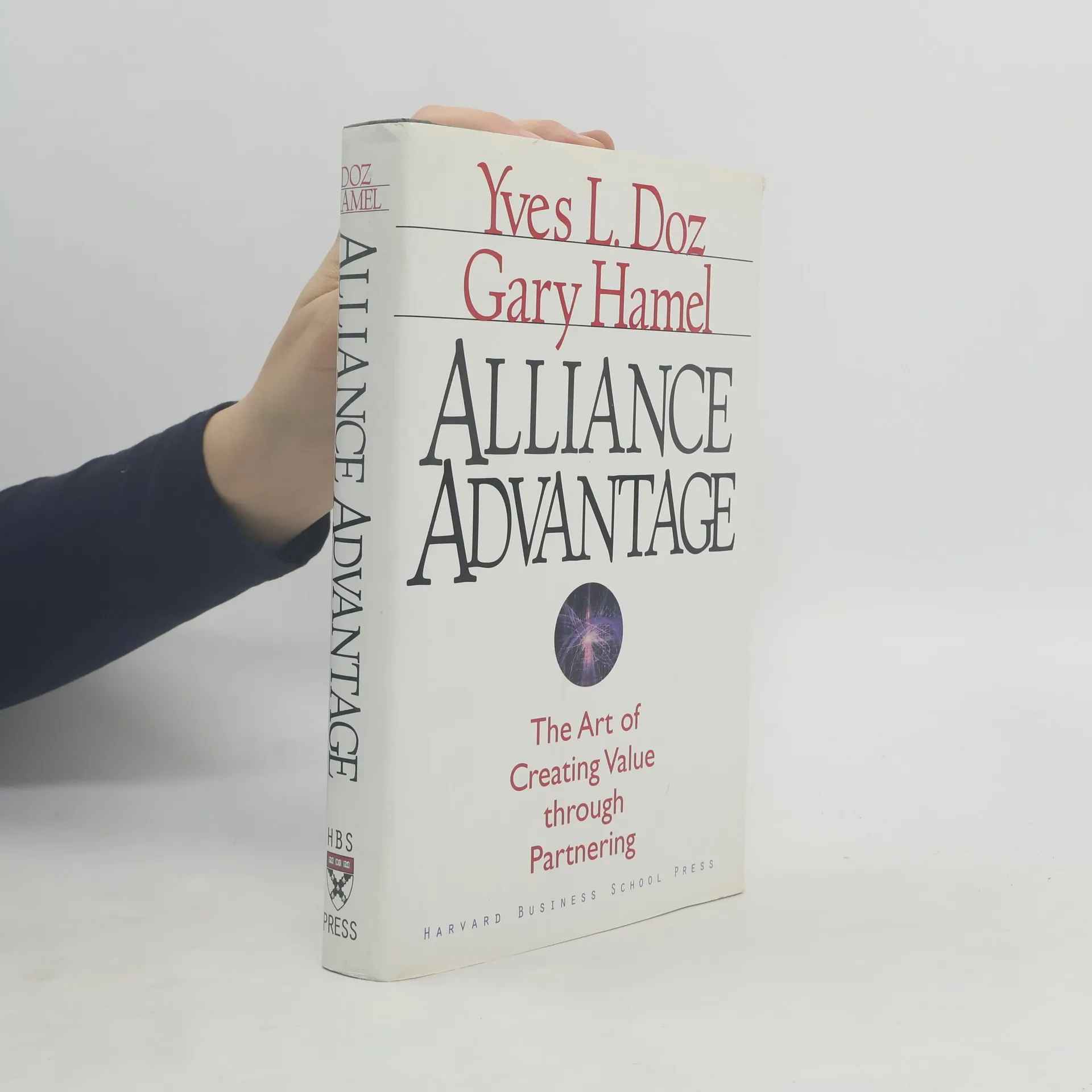
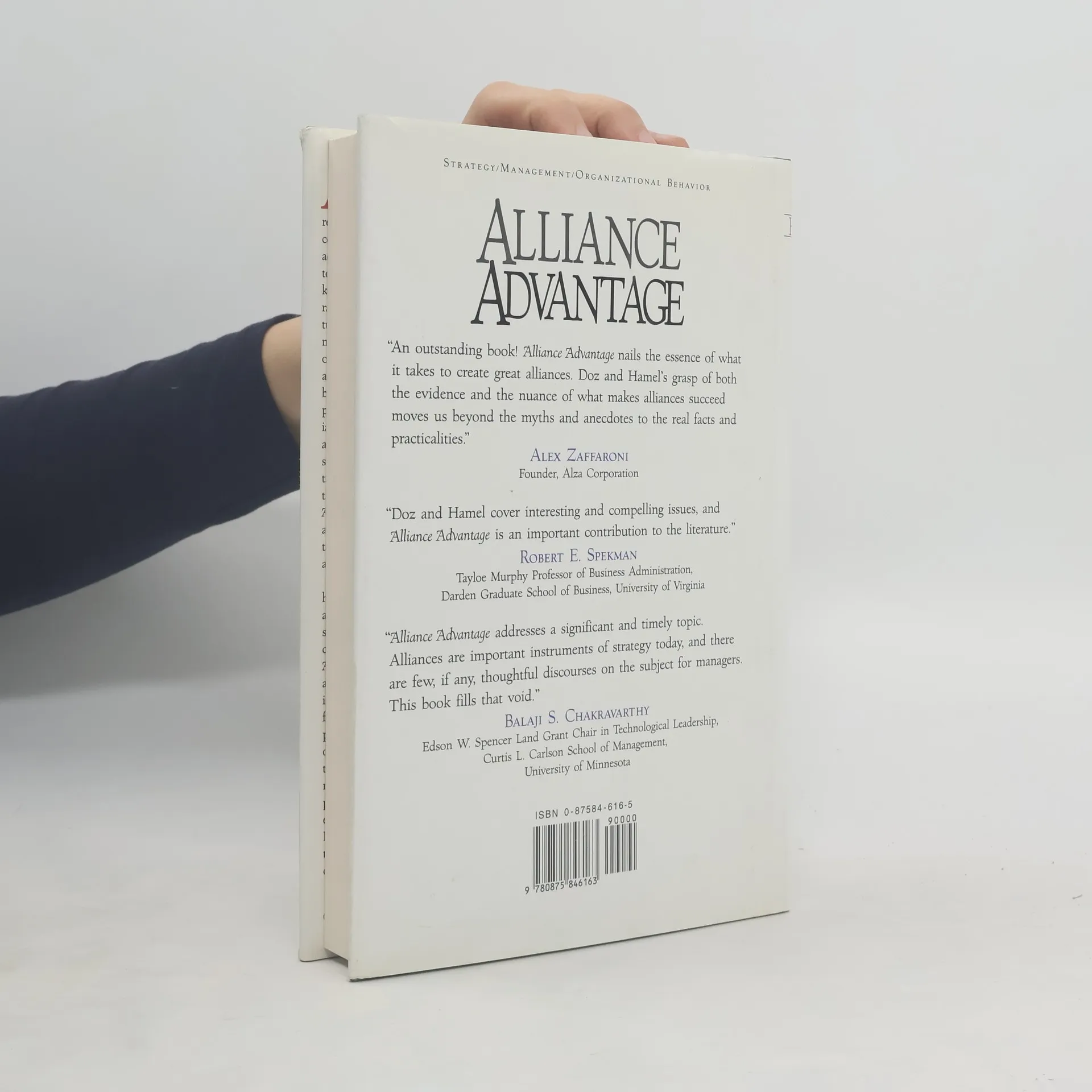
Partnerships between companies receive a great deal of attention from top managers and researchers at the time of their formation. This attention results largely from the common perception that the initial structuring of partnerships and establishment of common goals determines partnership outcomes and success. In Alliance Advantage , Doz and Hamel shift the focus away from deal making to the internal processes within the partnership and the unfolding interactions among partners that play an important and relatively unexplored role in shaping outcomes. Focusing on the underlying reasons why companies enter alliances and the processes by which they continually learn from their interactions and re-evaluate common—and individual—goals, the authors paint a sophisticated picture of alliance dynamics over time. The authors challenge organizations to define their objectives for alliance formulation and consider whether their own corporate culture provides an "alliance ready" atmosphere.
Zakup książki
Alliance Advantage, Gary Hamel, Yves Doz
- Język

- Rok wydania
- 1998
- Oprawa
- (twarda)
Metody płatności
Brakuje nam tutaj Twojej recenzji.
- Tytuł
- Alliance Advantage
- Język
- angielski
- Autorzy
- Gary Hamel, Yves Doz
- Wydawca
- Harvard Business Press
- Rok wydania
- 1998
- Oprawa
- twarda
- ISBN10
- 0875846165
- ISBN13
- 9780875846163
- Seria
- Tagi
- Biznes
- Ocena
- 3,3 z 5
- Opis
- Partnerships between companies receive a great deal of attention from top managers and researchers at the time of their formation. This attention results largely from the common perception that the initial structuring of partnerships and establishment of common goals determines partnership outcomes and success. In Alliance Advantage , Doz and Hamel shift the focus away from deal making to the internal processes within the partnership and the unfolding interactions among partners that play an important and relatively unexplored role in shaping outcomes. Focusing on the underlying reasons why companies enter alliances and the processes by which they continually learn from their interactions and re-evaluate common—and individual—goals, the authors paint a sophisticated picture of alliance dynamics over time. The authors challenge organizations to define their objectives for alliance formulation and consider whether their own corporate culture provides an "alliance ready" atmosphere.