



Więcej o książce
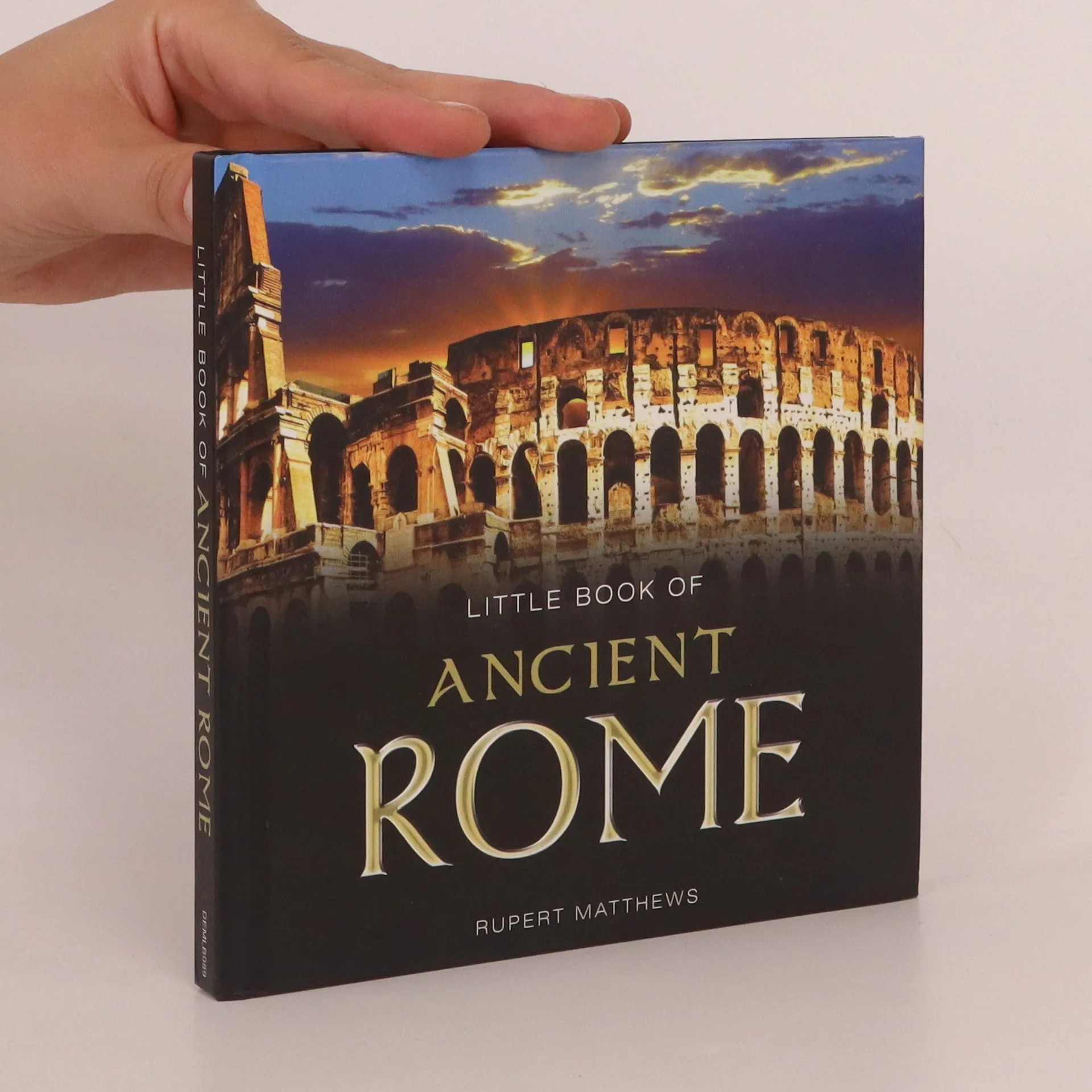
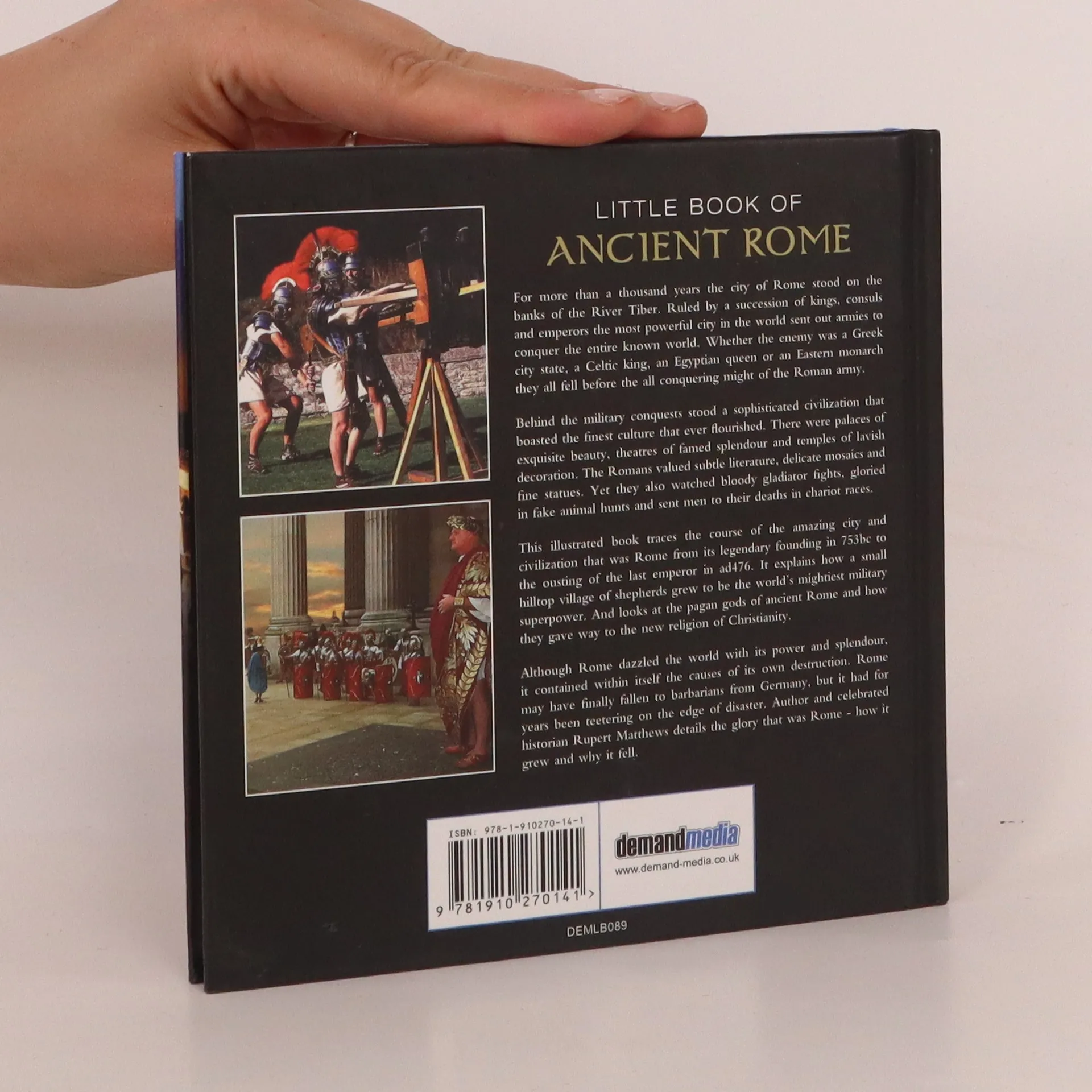
For more than a thousand years the city of Rome stood on the banks of the River Tiber. Ruled by a succession of kings, consuls and emperors the most powerful city n the world sent out armies to conquer the entire known world. Whether the enemy was a Greek city state a Celtic king, an Egyptian queen or an Eastern monarch they all fell before the all conquering might of the Roman army.Behind the military conquers stood a sophisticated civilisation that boasted the finest cultured that ever flourished. There were palaces of exquisite beauty, theatres of famed splendor and temples of lavish decoration. The Romans valued subtle literature, delicate mosaics and fine statues. Yet they also watched bloody gladiator fights, gloried in fake animal hunts and sent men to their deaths in chariot races. Although Rome dazzled the world with it's power and splendor, it contained within itself the causes of it's own destruction. Rome may have finally fallen to barbarians from Germany, but it had for years been teetering on the edge of disaster. Author and celebrated historian Rupert Mathews details the glory that was Rome - how it grew and wh it fell.
Zakup książki
Little Book of Ancient Rome, Rupert Matthews
- Język

- Rok wydania
- 2014
- Oprawa
- (twarda)
Metody płatności
Nikt jeszcze nie ocenił.
- Tytuł
- Little Book of Ancient Rome
- Język
- angielski
- Autorzy
- Rupert Matthews
- Wydawca
- Demand Media Limited
- Rok wydania
- 2014
- Oprawa
- twarda
- Liczba stron
- 127
- ISBN10
- 1910270148
- ISBN13
- 9781910270141
- Seria
- Kategorie
- Opis
- For more than a thousand years the city of Rome stood on the banks of the River Tiber. Ruled by a succession of kings, consuls and emperors the most powerful city n the world sent out armies to conquer the entire known world. Whether the enemy was a Greek city state a Celtic king, an Egyptian queen or an Eastern monarch they all fell before the all conquering might of the Roman army.Behind the military conquers stood a sophisticated civilisation that boasted the finest cultured that ever flourished. There were palaces of exquisite beauty, theatres of famed splendor and temples of lavish decoration. The Romans valued subtle literature, delicate mosaics and fine statues. Yet they also watched bloody gladiator fights, gloried in fake animal hunts and sent men to their deaths in chariot races. Although Rome dazzled the world with it's power and splendor, it contained within itself the causes of it's own destruction. Rome may have finally fallen to barbarians from Germany, but it had for years been teetering on the edge of disaster. Author and celebrated historian Rupert Mathews details the glory that was Rome - how it grew and wh it fell.