

Więcej o książce
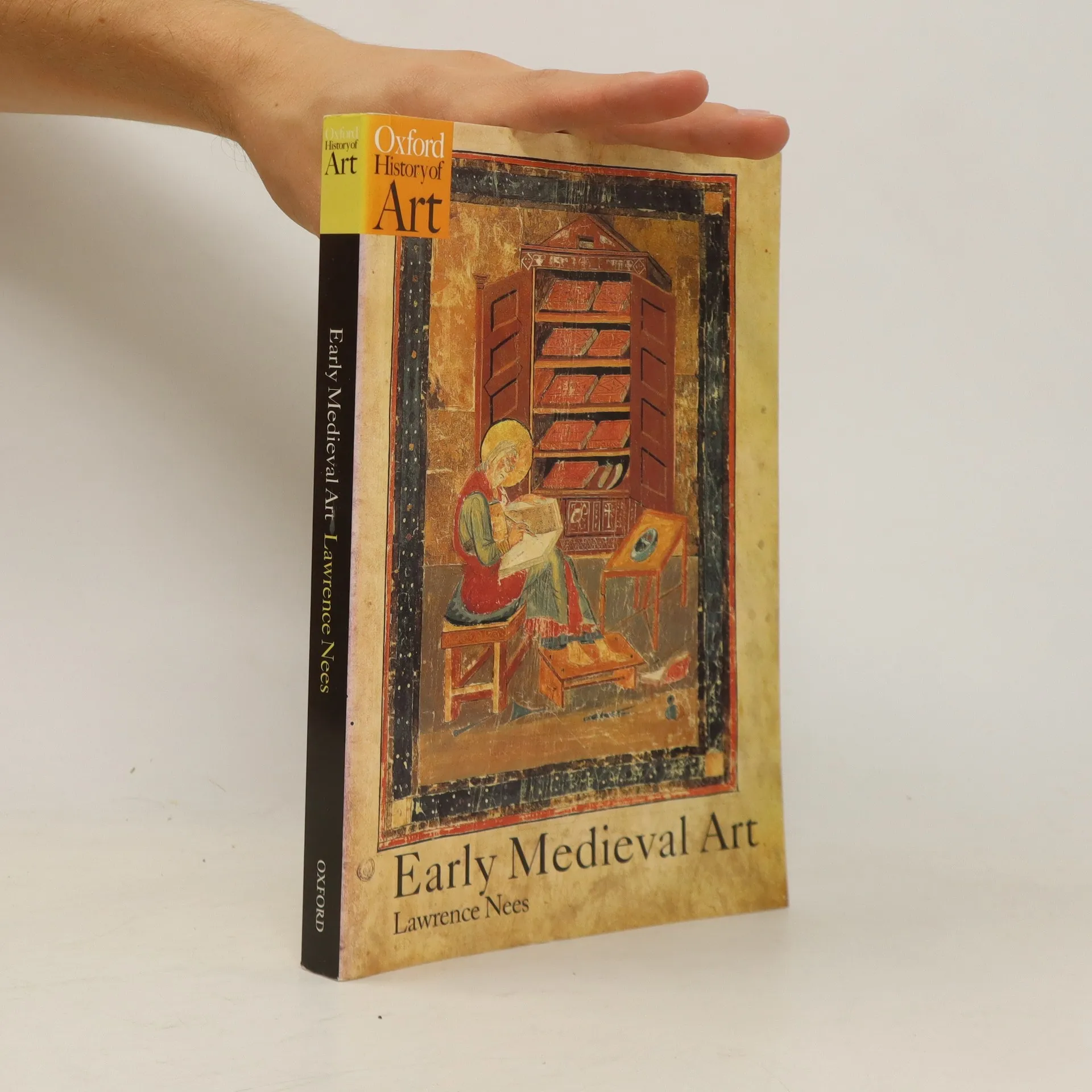
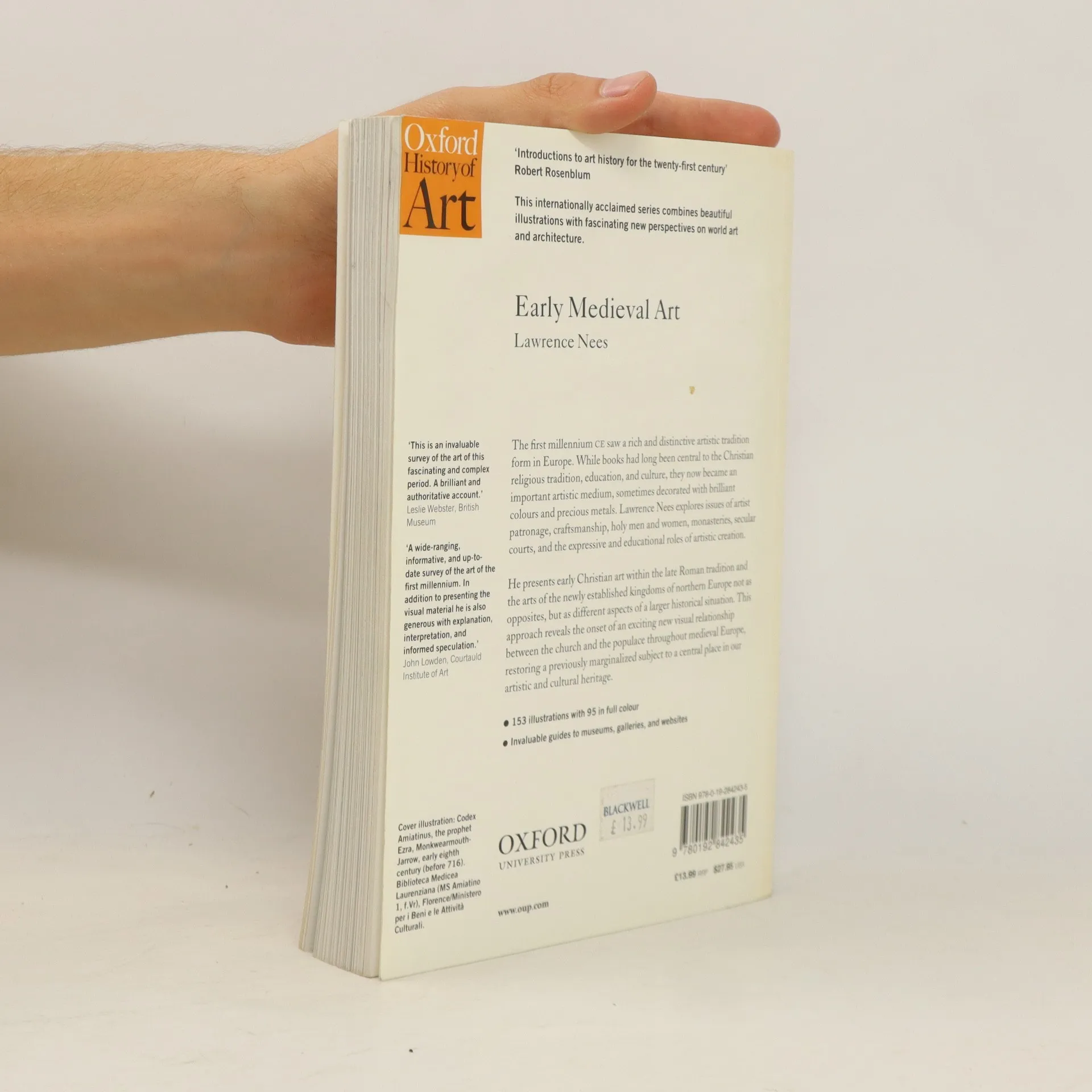
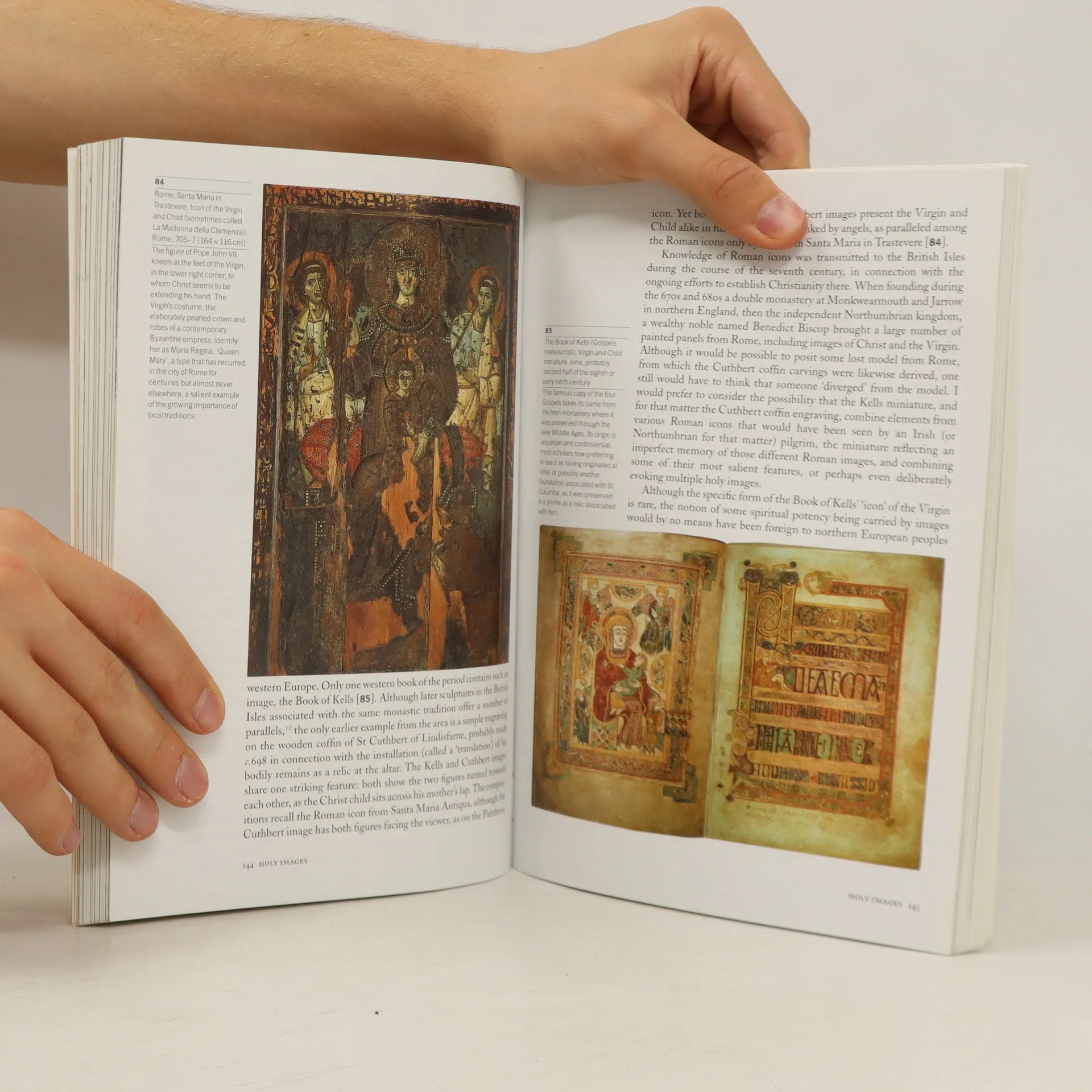
In the first millennium, a rich and distinctive artistic tradition emerged in Europe. Early Medieval Art explores this tradition and tracks its development from c. 300 AD through c. 1000 AD, revealing forms of artistic expression ranging from brilliant illuminated manuscripts to decorative chairs, rich embroidery, and precious metalwork.Nees explores issues of artist patronage, craftsmanship, holy men and women, monasteries, secular courts, and the expressive and educational roles of artistic creation. Instead of treating early Christian art in the late Roman tradition and the arts of the newly established kingdoms of northern Europe as opposites, he adopts a more holistic view, treating them as different aspects of a larger historical situation. This approach reveals the onset of an exciting new visual relationship between the church and the populace throughout medieval Europe. Moreover, it restores a previously marginalized subject to a central status in our artistic and cultural heritage.
Zakup książki
Early Medieval Art, Lawrence Nees
- Język

- Rok wydania
- 2002
- Oprawa
- (miękka)
Metody płatności
Brakuje nam tutaj Twojej recenzji.
- Tytuł
- Early Medieval Art
- Język
- angielski
- Autorzy
- Lawrence Nees
- Wydawca
- Oxford University Press
- Rok wydania
- 2002
- Oprawa
- miękka
- ISBN10
- 0192842439
- ISBN13
- 9780192842435
- Seria
- Kategorie
- Ocena
- 3,95 z 5
- Opis
- In the first millennium, a rich and distinctive artistic tradition emerged in Europe. Early Medieval Art explores this tradition and tracks its development from c. 300 AD through c. 1000 AD, revealing forms of artistic expression ranging from brilliant illuminated manuscripts to decorative chairs, rich embroidery, and precious metalwork.Nees explores issues of artist patronage, craftsmanship, holy men and women, monasteries, secular courts, and the expressive and educational roles of artistic creation. Instead of treating early Christian art in the late Roman tradition and the arts of the newly established kingdoms of northern Europe as opposites, he adopts a more holistic view, treating them as different aspects of a larger historical situation. This approach reveals the onset of an exciting new visual relationship between the church and the populace throughout medieval Europe. Moreover, it restores a previously marginalized subject to a central status in our artistic and cultural heritage.