

Parametry
- 354 strony
- 13 godzin czytania
Więcej o książce
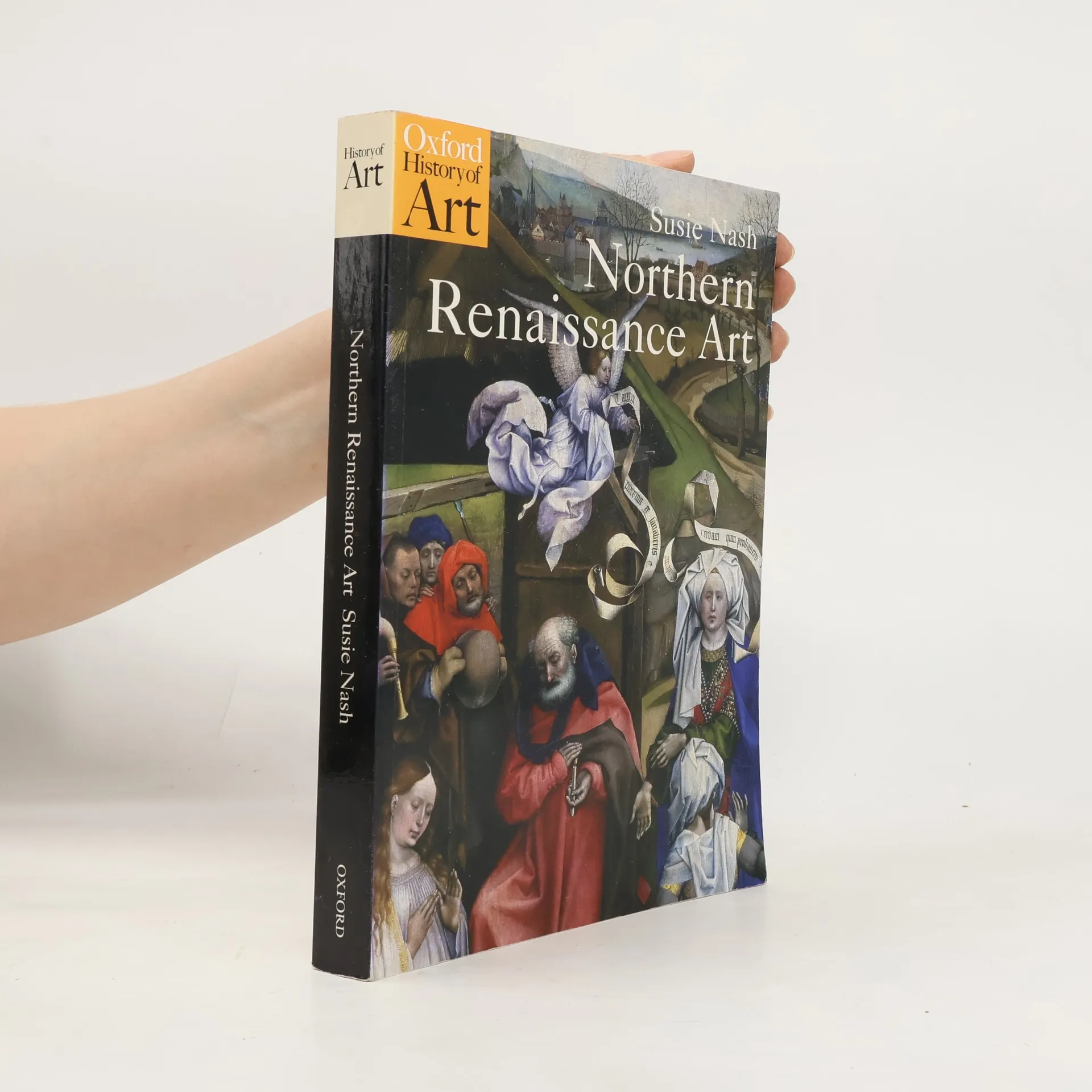
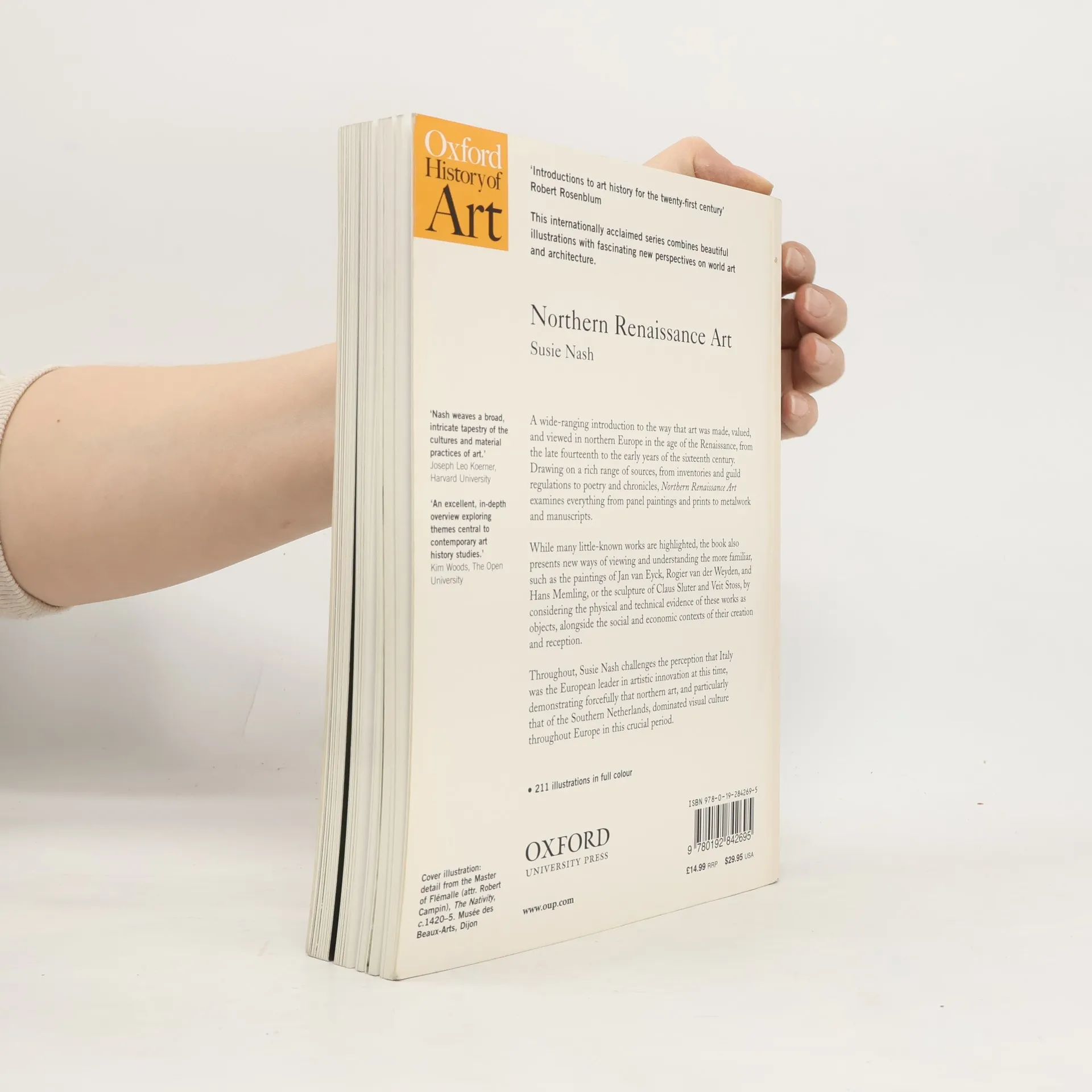
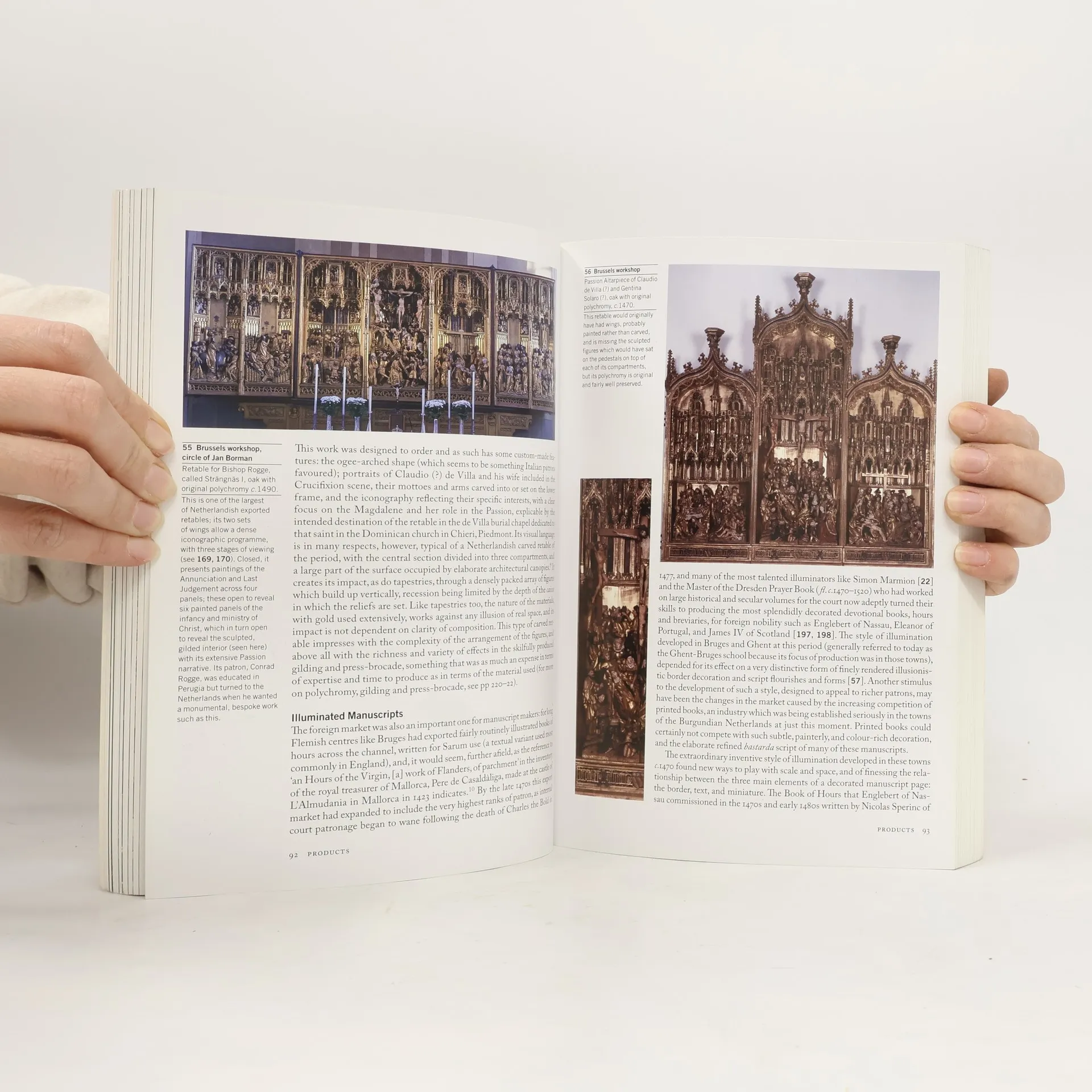
This book offers a wide-ranging introduction to the way that art was made, valued, and viewed in northern Europe in the age of the Renaissance, from the late fourteenth to the early years of the sixteenth century. Drawing on a rich range of sources, from inventories and guild regulations to poetry and chronicles, it examines everything from panel paintings to carved altarpieces.While many little-known works are foregrounded, Susie Nash also presents new ways of viewing and understanding the more familiar, such as the paintings of Jan van Eyck, Rogier van der Weyden, and Hans Memling, by considering the social and economic context of their creation and reception. Throughout, Nash challenges the perception that Italy was the European leader in artistic innovation at this time, demonstrating forcefully that Northern art, and particularly that of the Southern Netherlands, dominated visual culture throughout Europe in this crucial period.
Zakup książki
Northern Renaissance art, Susie Nash
- Język

- Rok wydania
- 2008
- Oprawa
- (miękka)
Metody płatności
Brakuje nam tutaj Twojej recenzji.
- Tytuł
- Northern Renaissance art
- Język
- angielski
- Autorzy
- Susie Nash
- Wydawca
- Oxford University Press
- Rok wydania
- 2008
- Oprawa
- miękka
- Liczba stron
- 354
- ISBN10
- 0192842692
- ISBN13
- 9780192842695
- Seria
- Kategorie
- Ocena
- 4,15 z 5
- Opis
- This book offers a wide-ranging introduction to the way that art was made, valued, and viewed in northern Europe in the age of the Renaissance, from the late fourteenth to the early years of the sixteenth century. Drawing on a rich range of sources, from inventories and guild regulations to poetry and chronicles, it examines everything from panel paintings to carved altarpieces.While many little-known works are foregrounded, Susie Nash also presents new ways of viewing and understanding the more familiar, such as the paintings of Jan van Eyck, Rogier van der Weyden, and Hans Memling, by considering the social and economic context of their creation and reception. Throughout, Nash challenges the perception that Italy was the European leader in artistic innovation at this time, demonstrating forcefully that Northern art, and particularly that of the Southern Netherlands, dominated visual culture throughout Europe in this crucial period.