



Więcej o książce
The main aim of this book is to use a naturalistic, evolutionary approach to solve some of the most important problems in philosophy. The first two problems come from the philosophy of the problem of rationality of science and the problem of truth in science. In presenting the first problem, the author argues that the views of Kuhn and Feyerabend do create a very serious challenge to traditional epistemology, however, if the assumption of individual rationality is abandoned in favour of the author's social concept of rationality, a committed naturalism can account for science as a rational activity. In tackling the second problem of truth, the author shows that a committed evolutionary philosophy does not support realism but leads instead to a thorough evolutionary relativism of scientific knowledge. It is nevertheless possible to use this evolutionary relativism to construct a theory of relative truth.
Zakup książki
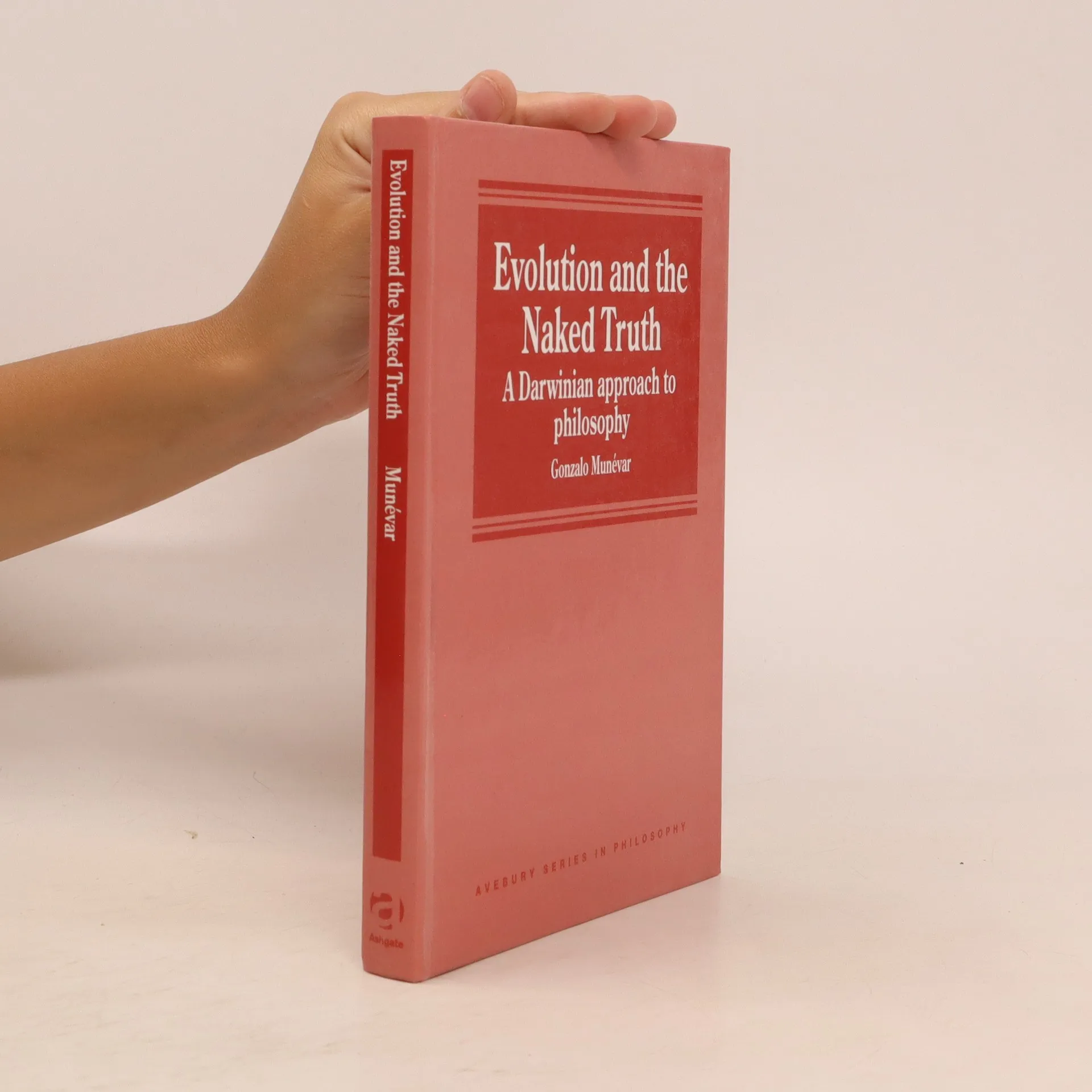
Evolution and the Naked Truth, Gonzalo Munévar
- Język

- Rok wydania
- 1998
- Oprawa
- (twarda)
Metody płatności
Brakuje nam tutaj Twojej recenzji.
- Tytuł
- Evolution and the Naked Truth
- Język
- angielski
- Autorzy
- Gonzalo Munévar
- Wydawca
- Ashgate Publishing
- Rok wydania
- 1998
- Oprawa
- twarda
- Liczba stron
- 247
- ISBN10
- 1840143444
- ISBN13
- 9781840143447
- Seria
- Kategorie
- Ocena
- 2 z 5
- Opis
- The main aim of this book is to use a naturalistic, evolutionary approach to solve some of the most important problems in philosophy. The first two problems come from the philosophy of the problem of rationality of science and the problem of truth in science. In presenting the first problem, the author argues that the views of Kuhn and Feyerabend do create a very serious challenge to traditional epistemology, however, if the assumption of individual rationality is abandoned in favour of the author's social concept of rationality, a committed naturalism can account for science as a rational activity. In tackling the second problem of truth, the author shows that a committed evolutionary philosophy does not support realism but leads instead to a thorough evolutionary relativism of scientific knowledge. It is nevertheless possible to use this evolutionary relativism to construct a theory of relative truth.