

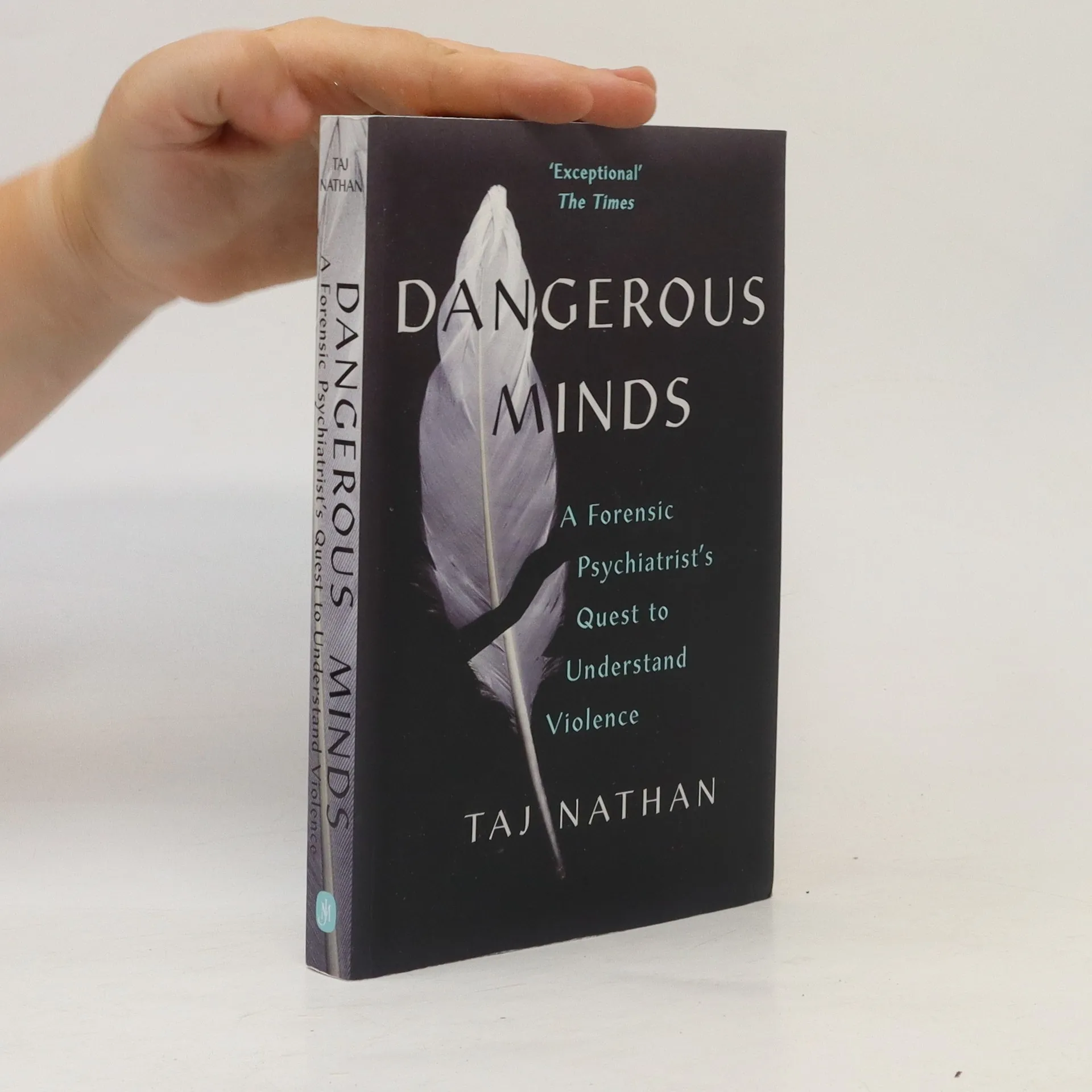


Więcej o książce
What drives someone to commit murder? What makes some people lash out on those that they love? Why do the majority of people with disorders such as schizophrenia live completely non-violent lives, but a very small number cause harm to others? How can we predict whether a child will grow up to be cruel or sadistic, and what can we do to prevent it? These are just some of the questions that forensic psychiatrist Dr Taj Nathan interrogates every day. Violence and violent behaviour are always in the headlines, and most of us will fall victim to some kind of crime in our lives, but understanding what makes people commit these acts is complex and deeply nuanced. And even though neuroscience has improved our understanding of human behaviour, offering some answers about how the mechanics of our brains produce our thoughts and actions, it has failed to explain why we act.
Zakup książki
Dangerous minds. a forensic psychiatrist's quest to understand violence, Taj Nathan
- Język

- Rok wydania
- 2022
- Oprawa
- (miękka)
Metody płatności
Brakuje nam tutaj Twojej recenzji.
- Tytuł
- Dangerous minds. a forensic psychiatrist's quest to understand violence
- Język
- angielski
- Autorzy
- Taj Nathan
- Wydawca
- John Murray
- Rok wydania
- 2022
- Oprawa
- miękka
- Liczba stron
- 304
- ISBN10
- 1529392934
- ISBN13
- 9781529392937
- Seria
- Ocena
- 3,65 z 5
- Opis
- What drives someone to commit murder? What makes some people lash out on those that they love? Why do the majority of people with disorders such as schizophrenia live completely non-violent lives, but a very small number cause harm to others? How can we predict whether a child will grow up to be cruel or sadistic, and what can we do to prevent it? These are just some of the questions that forensic psychiatrist Dr Taj Nathan interrogates every day. Violence and violent behaviour are always in the headlines, and most of us will fall victim to some kind of crime in our lives, but understanding what makes people commit these acts is complex and deeply nuanced. And even though neuroscience has improved our understanding of human behaviour, offering some answers about how the mechanics of our brains produce our thoughts and actions, it has failed to explain why we act.