



Więcej o książce
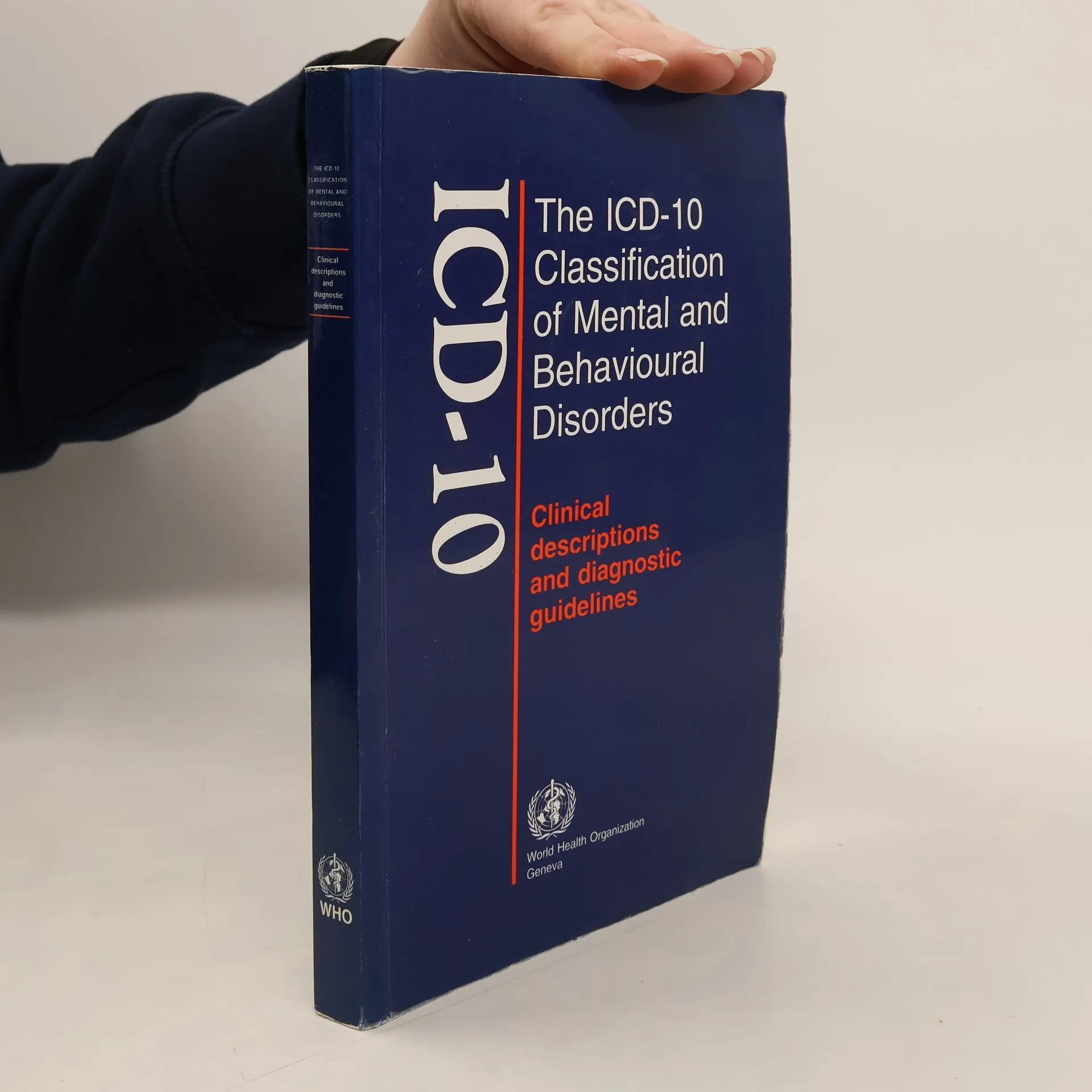
This book offers clinical descriptions, diagnostic guidelines, and codes for mental and behavioral disorders frequently encountered in psychiatry. Developed from chapter V of the Tenth Revision of the International Statistical Classification of Diseases and Related Health Problems (ICD-10), it reflects the largest research effort aimed at enhancing psychiatric diagnosis, involving over 700 clinicians and researchers across 110 institutes in 40 countries. Categories are defined to ensure scientific justification and clinical utility. Disorders are organized into ten groups based on common themes, enhancing usability. Each disorder includes a comprehensive description of key clinical features and relevant associated characteristics. Diagnostic guidelines outline the necessary number, balance, and duration of symptoms for a reliable diagnosis, along with inclusion and exclusion criteria and considerations for differential diagnosis. The guidelines maintain a degree of flexibility for clinical decision-making, particularly in cases where provisional diagnoses may be necessary before the complete clinical picture is available.
Zakup książki
The ICD-10 Classification of Mental and Behavioural Disorders, Světová zdravotnická organizace
- Język

- Rok wydania
- 1992
- Oprawa
- (miękka)
Metody płatności
Brakuje nam tutaj Twojej recenzji.
- Tytuł
- The ICD-10 Classification of Mental and Behavioural Disorders
- Język
- angielski
- Wydawca
- World Health Organization
- Rok wydania
- 1992
- Oprawa
- miękka
- Liczba stron
- 380
- ISBN10
- 9241544228
- ISBN13
- 9789241544221
- Seria
- Tagi
- Poradniki, Psychiatria
- Ocena
- 4 z 5
- Opis
- This book offers clinical descriptions, diagnostic guidelines, and codes for mental and behavioral disorders frequently encountered in psychiatry. Developed from chapter V of the Tenth Revision of the International Statistical Classification of Diseases and Related Health Problems (ICD-10), it reflects the largest research effort aimed at enhancing psychiatric diagnosis, involving over 700 clinicians and researchers across 110 institutes in 40 countries. Categories are defined to ensure scientific justification and clinical utility. Disorders are organized into ten groups based on common themes, enhancing usability. Each disorder includes a comprehensive description of key clinical features and relevant associated characteristics. Diagnostic guidelines outline the necessary number, balance, and duration of symptoms for a reliable diagnosis, along with inclusion and exclusion criteria and considerations for differential diagnosis. The guidelines maintain a degree of flexibility for clinical decision-making, particularly in cases where provisional diagnoses may be necessary before the complete clinical picture is available.