

Parametry
- 288 stron
- 11 godzin czytania
Więcej o książce
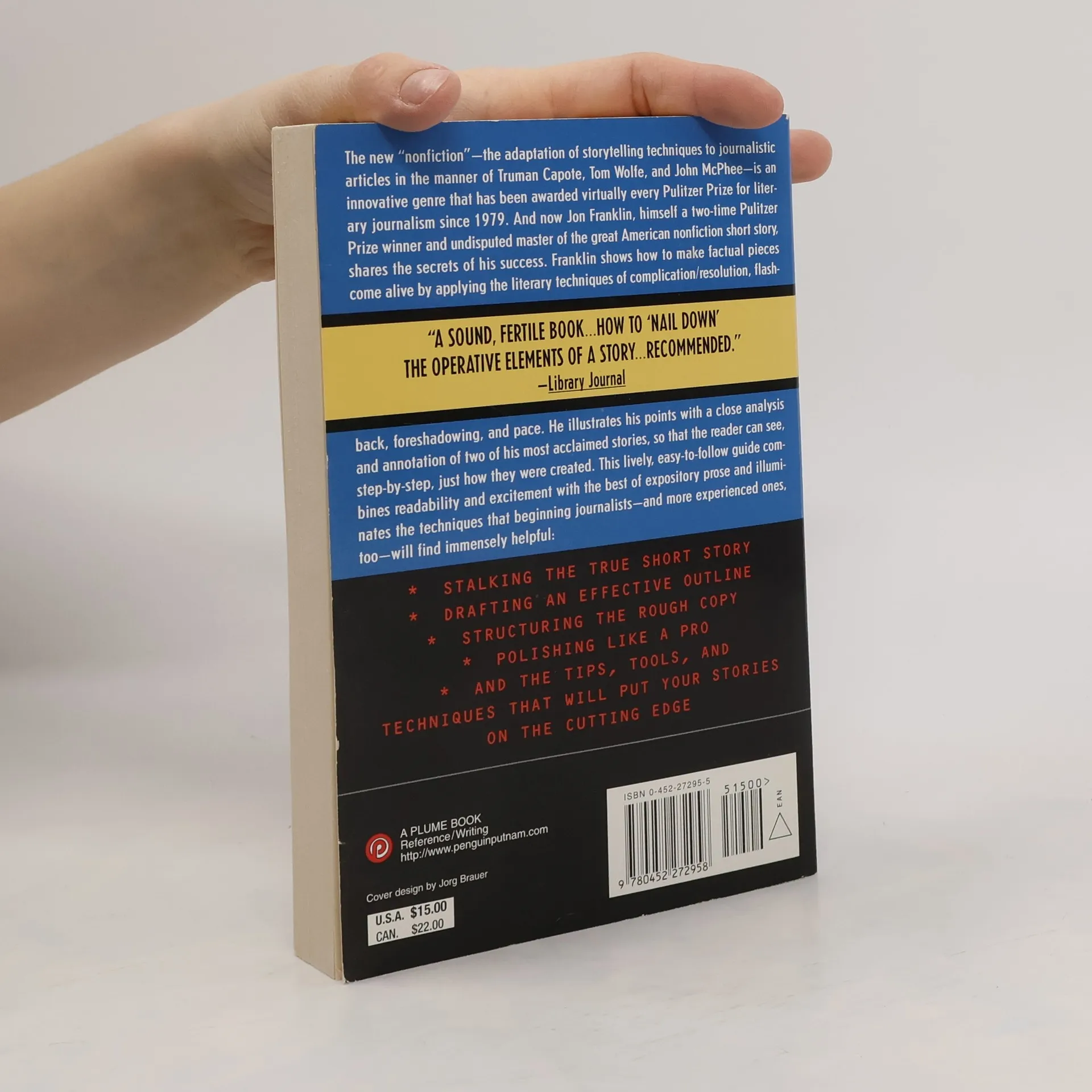
The new "nonfiction"—the adaptation of storytelling techniques to journalistic articles in the manner of Truman Capote, Tom Wolfe, and John McPhee—is an innovative genre that has been awarded virtually every Pulitzer Prize for literary journalism since 1979. And now Jon Franklin, himself a two-time Pulitzer Prize winner and undisputed master of the great American nonfiction short story, shares the secrets of his success. Franklin shows how to make factual pieces come alive by applying the literary techniques of complication/resolution, flashback, foreshadowing, and pace. He illustrates his points with a close analysis and annotation of two of his most acclaimed stories, so that the reader can see, step-by-step, just how they were created. This lively, easy-to-follow guide combines readability and excitement with the best of expository prose and illuminates the techniques that beginning journalists—and more experienced ones, too—will find immensely helpful:— Stalking the true short story— Drafting an effective outline— Structuring the rough copy— Polishing like a pro— And the tips, tools, and techniques that will put your stories on the cutting edge
Zakup książki
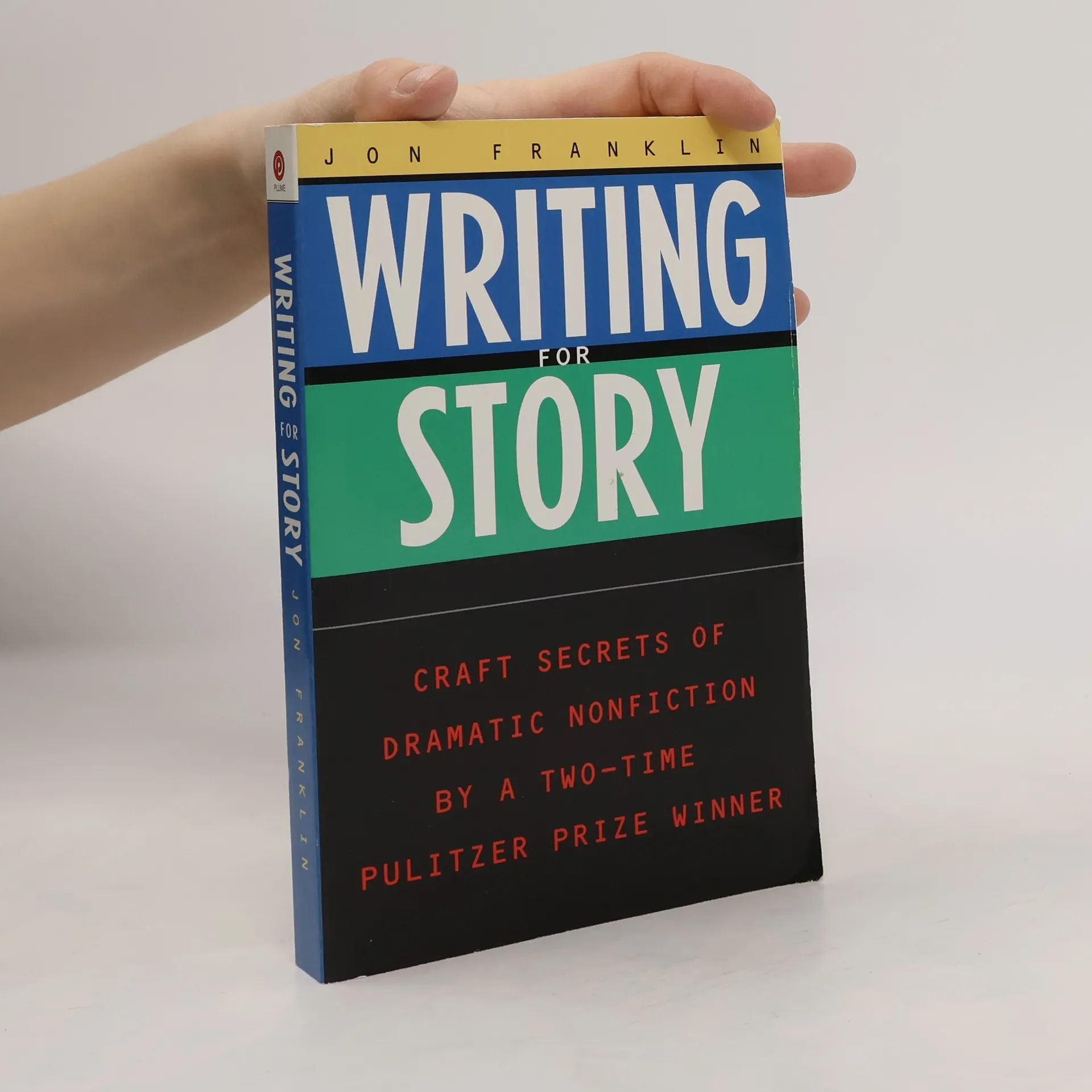
Writing for Story, Jon Franklin
- Język

- Rok wydania
- 1986
- Oprawa
- (miękka)
Metody płatności
Brakuje nam tutaj Twojej recenzji.
- Tytuł
- Writing for Story
- Język
- angielski
- Autorzy
- Jon Franklin
- Wydawca
- Plume
- Rok wydania
- 1986
- Oprawa
- miękka
- Liczba stron
- 288
- ISBN10
- 0452272955
- ISBN13
- 9780452272958
- Seria
- Ocena
- 4,05 z 5
- Opis
- The new "nonfiction"—the adaptation of storytelling techniques to journalistic articles in the manner of Truman Capote, Tom Wolfe, and John McPhee—is an innovative genre that has been awarded virtually every Pulitzer Prize for literary journalism since 1979. And now Jon Franklin, himself a two-time Pulitzer Prize winner and undisputed master of the great American nonfiction short story, shares the secrets of his success. Franklin shows how to make factual pieces come alive by applying the literary techniques of complication/resolution, flashback, foreshadowing, and pace. He illustrates his points with a close analysis and annotation of two of his most acclaimed stories, so that the reader can see, step-by-step, just how they were created. This lively, easy-to-follow guide combines readability and excitement with the best of expository prose and illuminates the techniques that beginning journalists—and more experienced ones, too—will find immensely helpful:— Stalking the true short story— Drafting an effective outline— Structuring the rough copy— Polishing like a pro— And the tips, tools, and techniques that will put your stories on the cutting edge