



Więcej o książce
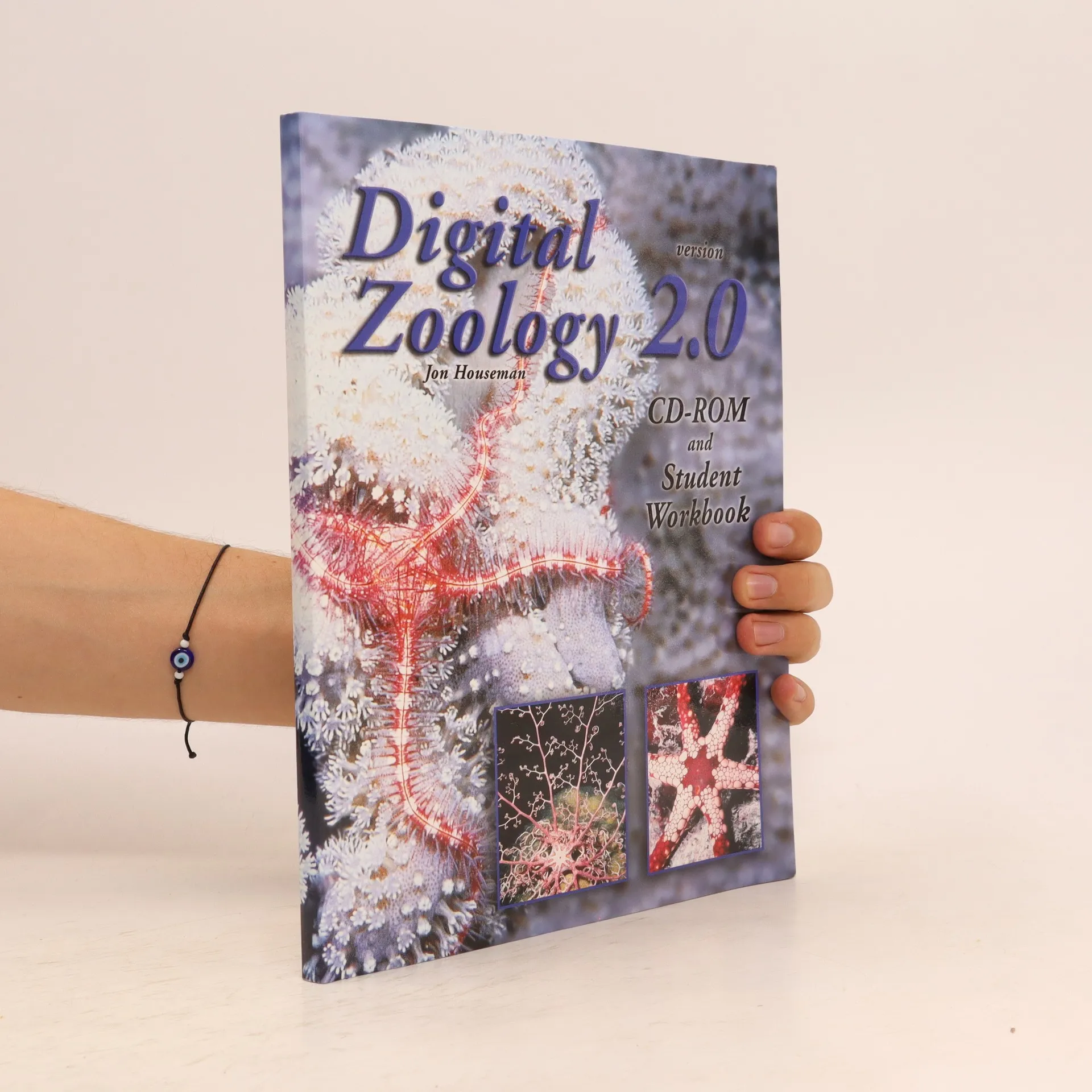
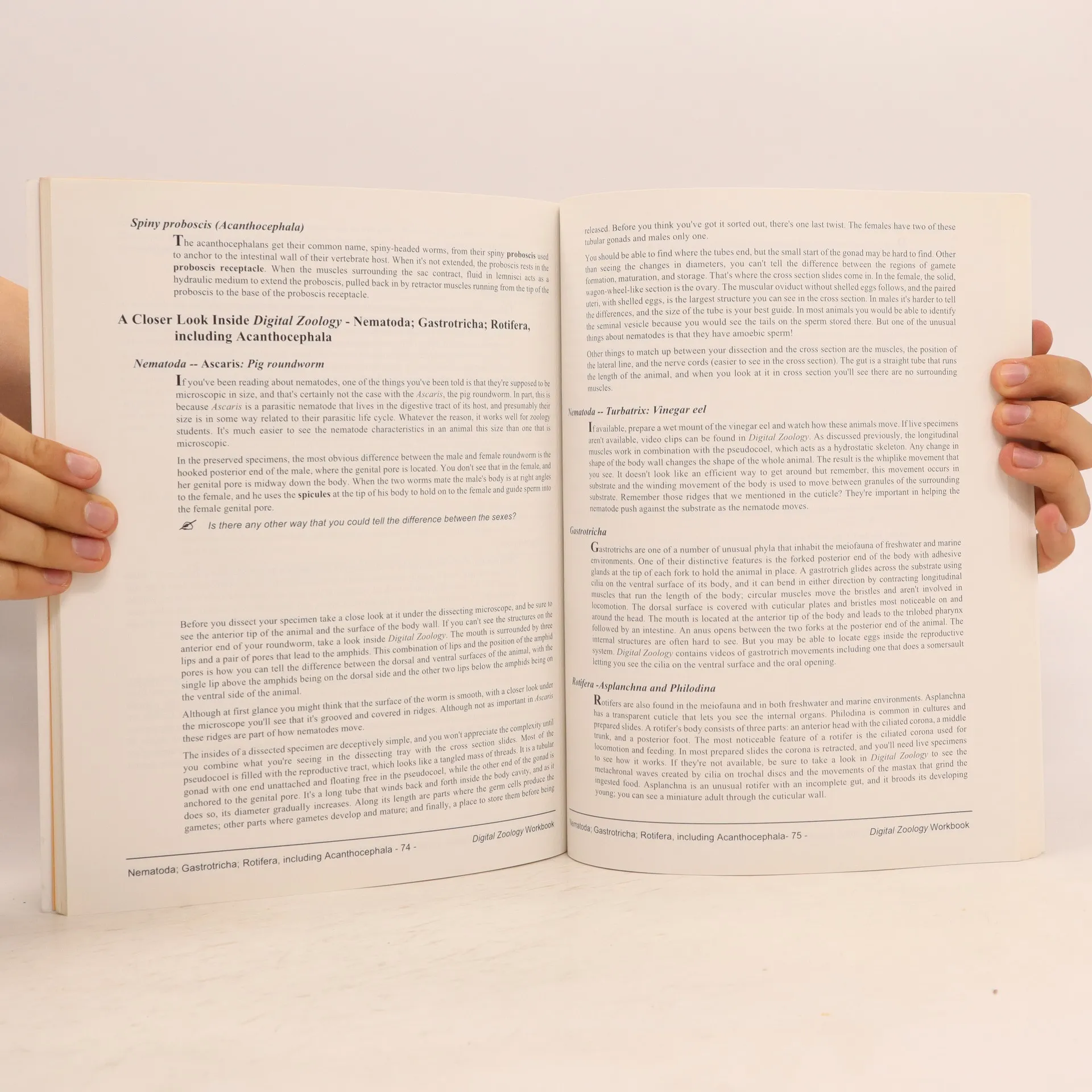
Digital Zoology provides students in whole animal biology courses such as general zoology, invertebrate zoology, and vertebrate zoology with an interactive guide to the specimens and materials that they will be studying in their laboratory and lecture sessions. Digital Zoology Version 2.0 offers additional invertebrate specimens, an interactive glossary that has doubled in size, and "Read Abouts," which take a detailed look at the over 100 animal groups included in the program. Users of the website will find additional features that aren't available on the the ability to take notes and place personalized bookmarks in the program for handy reference to sections important for your studies. The Student Workbook provides a quick look at different animals traditionally studied in zoology labs and serves as a useful study tool for review of lab dissection exercises.
Zakup książki
Digital Zoology Version 2.0, Jon Houseman
- Język

- Rok wydania
- 2003
- Oprawa
- (miękka)
Metody płatności
Brakuje nam tutaj Twojej recenzji.
- Tytuł
- Digital Zoology Version 2.0
- Język
- angielski
- Autorzy
- Jon Houseman
- Rok wydania
- 2003
- Oprawa
- miękka
- Liczba stron
- 220
- ISBN10
- 0072564814
- ISBN13
- 9780072564815
- Seria
- Kategorie
- Tagi
- Podręczniki, Mikrobiologia
- Ocena
- 3,25 z 5
- Opis
- Digital Zoology provides students in whole animal biology courses such as general zoology, invertebrate zoology, and vertebrate zoology with an interactive guide to the specimens and materials that they will be studying in their laboratory and lecture sessions. Digital Zoology Version 2.0 offers additional invertebrate specimens, an interactive glossary that has doubled in size, and "Read Abouts," which take a detailed look at the over 100 animal groups included in the program. Users of the website will find additional features that aren't available on the the ability to take notes and place personalized bookmarks in the program for handy reference to sections important for your studies. The Student Workbook provides a quick look at different animals traditionally studied in zoology labs and serves as a useful study tool for review of lab dissection exercises.