


Parametry
Więcej o książce
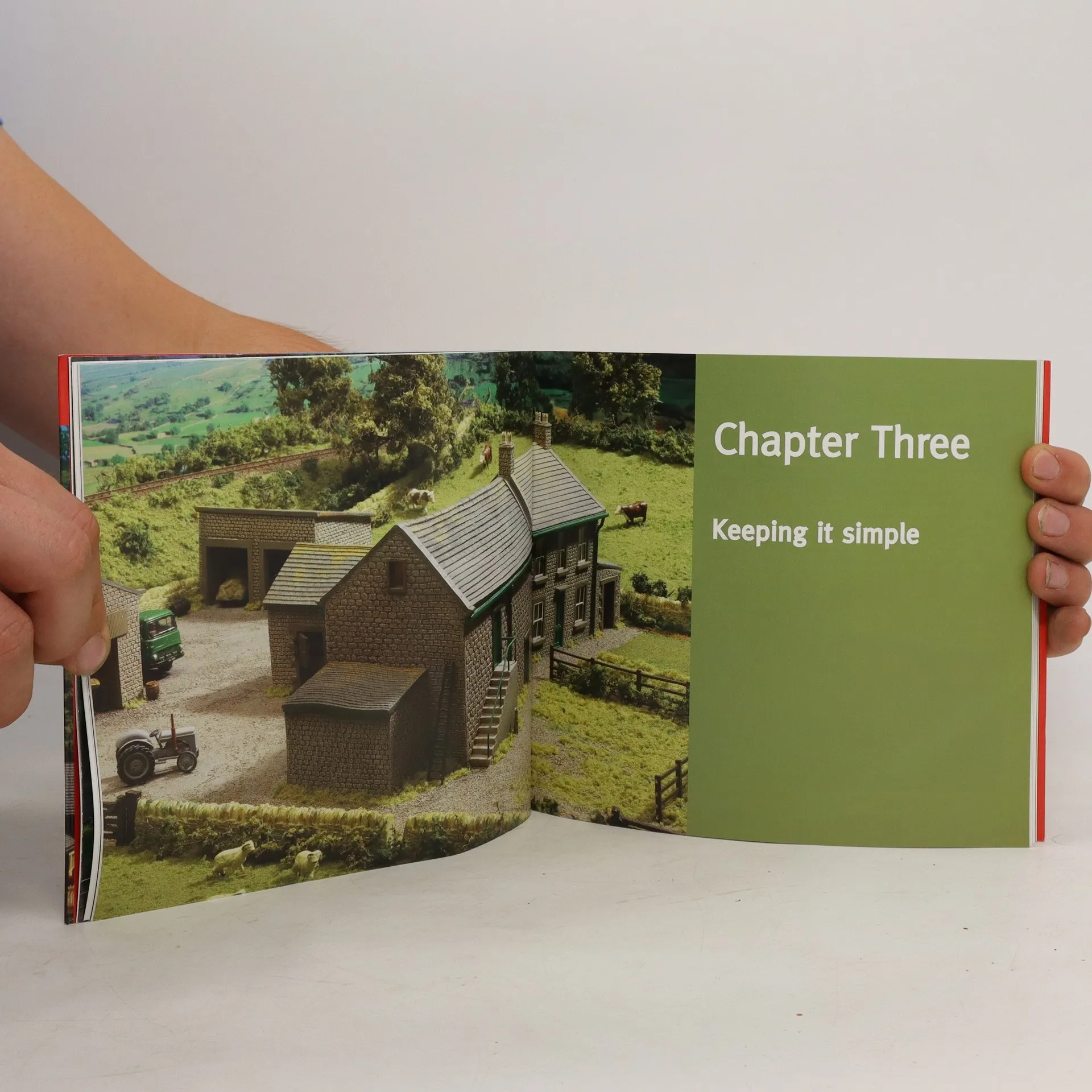
Any model railway layout can be enhanced with the effective use of scenery and accessories. Chris Ellis examines the range of ready-made scenic accessories available to modellers, and also explains how to make your own scenic structures. Tips and techniques for adapting and weathering such accessories are included, along with clear step-by-step instructions that explain how to create rolling hills, track side buildings and even lakes and rivers from a variety of materials, whether bought from modelling shops or using discarded product packaging. The book's sections include: planning backdrops and scenic settings; building basic terrain; painting backgrounds and creating the illusion of distance and perspective; texturing vegetation, foliage and trees; modelling water; depicting rocky surfaces such as cliffs, scree and waterfalls; incorporating civil engineering (tunnels and bridges) and adapting Skaledale and other accessories for use in personal dioramas. A useful appendix also contains details of popular modelling materials, stockists and suppliers, useful reference works and other research sources.
Zakup książki
The Hornby Book of Scenic Railway Modeling, Chris Ellis
- Język

- Rok wydania
- 2010
- Oprawa
- (miękka)
Metody płatności
Brakuje nam tutaj Twojej recenzji.
- Tytuł
- The Hornby Book of Scenic Railway Modeling
- Język
- angielski
- Autorzy
- Chris Ellis
- Wydawca
- Conway
- Rok wydania
- 2010
- Oprawa
- miękka
- ISBN10
- 1844861120
- ISBN13
- 9781844861125
- Seria
- Kategorie
- Tagi
- Ocena
- 3,85 z 5
- Opis
- Any model railway layout can be enhanced with the effective use of scenery and accessories. Chris Ellis examines the range of ready-made scenic accessories available to modellers, and also explains how to make your own scenic structures. Tips and techniques for adapting and weathering such accessories are included, along with clear step-by-step instructions that explain how to create rolling hills, track side buildings and even lakes and rivers from a variety of materials, whether bought from modelling shops or using discarded product packaging. The book's sections include: planning backdrops and scenic settings; building basic terrain; painting backgrounds and creating the illusion of distance and perspective; texturing vegetation, foliage and trees; modelling water; depicting rocky surfaces such as cliffs, scree and waterfalls; incorporating civil engineering (tunnels and bridges) and adapting Skaledale and other accessories for use in personal dioramas. A useful appendix also contains details of popular modelling materials, stockists and suppliers, useful reference works and other research sources.