



Więcej o książce
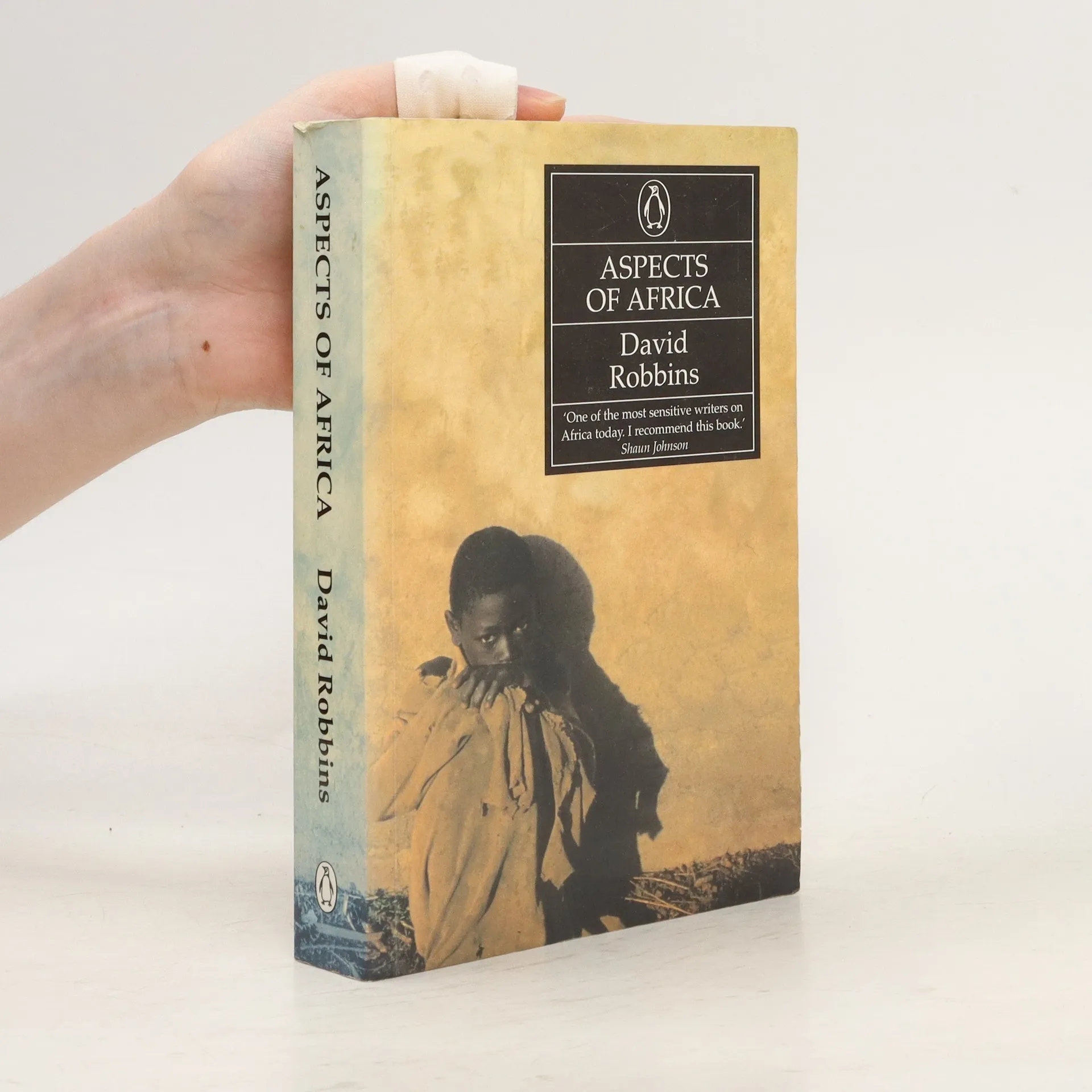
With the advent of the 1990s, South Africa helped to complete a cycle in Africa's long history: the continent was freed of the "rigours if not the scars" of European domination. Suddenly, borders were opened and all of Africa became accessible to South Africans - as if they had at last been released into their broader home. Aspects of Africa is South African travel writer David Robbins' account of visits he made to Namibia, Zimbabwe, Zambia, Malawi, Zaire, Tanzania (including Zanzibar), Kenya, Rwanda and Uganda. It is a vivid evocation of people, places and themes, from Namibia's relaxed capital city of Windhoek to the tragedy of Rwanda; from the tensions of Kinshasa to the heat and silence of Olduvai. Robbins does not claim to provide a definite overview. His approach is intentionally narrower and deeper and his penetrating yet sensitive writing uncovers the often startling images inherent in a continent whose vastness and complexities continue to fascinate and perplex. Here is an essentially African writer involved in some of the realities of "broader home".
Zakup książki
Aspects of Africa, David L. Robbins
- Język

- Rok wydania
- 1995
- Oprawa
- (miękka)
Metody płatności
Brakuje nam tutaj Twojej recenzji.
- Tytuł
- Aspects of Africa
- Język
- angielski
- Autorzy
- David L. Robbins
- Wydawca
- Penguin Books Ltd
- Rok wydania
- 1995
- Oprawa
- miękka
- Liczba stron
- 416
- ISBN10
- 0140262814
- ISBN13
- 9780140262810
- Seria
- Kategorie
- Ocena
- 4 z 5
- Opis
- With the advent of the 1990s, South Africa helped to complete a cycle in Africa's long history: the continent was freed of the "rigours if not the scars" of European domination. Suddenly, borders were opened and all of Africa became accessible to South Africans - as if they had at last been released into their broader home. Aspects of Africa is South African travel writer David Robbins' account of visits he made to Namibia, Zimbabwe, Zambia, Malawi, Zaire, Tanzania (including Zanzibar), Kenya, Rwanda and Uganda. It is a vivid evocation of people, places and themes, from Namibia's relaxed capital city of Windhoek to the tragedy of Rwanda; from the tensions of Kinshasa to the heat and silence of Olduvai. Robbins does not claim to provide a definite overview. His approach is intentionally narrower and deeper and his penetrating yet sensitive writing uncovers the often startling images inherent in a continent whose vastness and complexities continue to fascinate and perplex. Here is an essentially African writer involved in some of the realities of "broader home".