

Więcej o książce
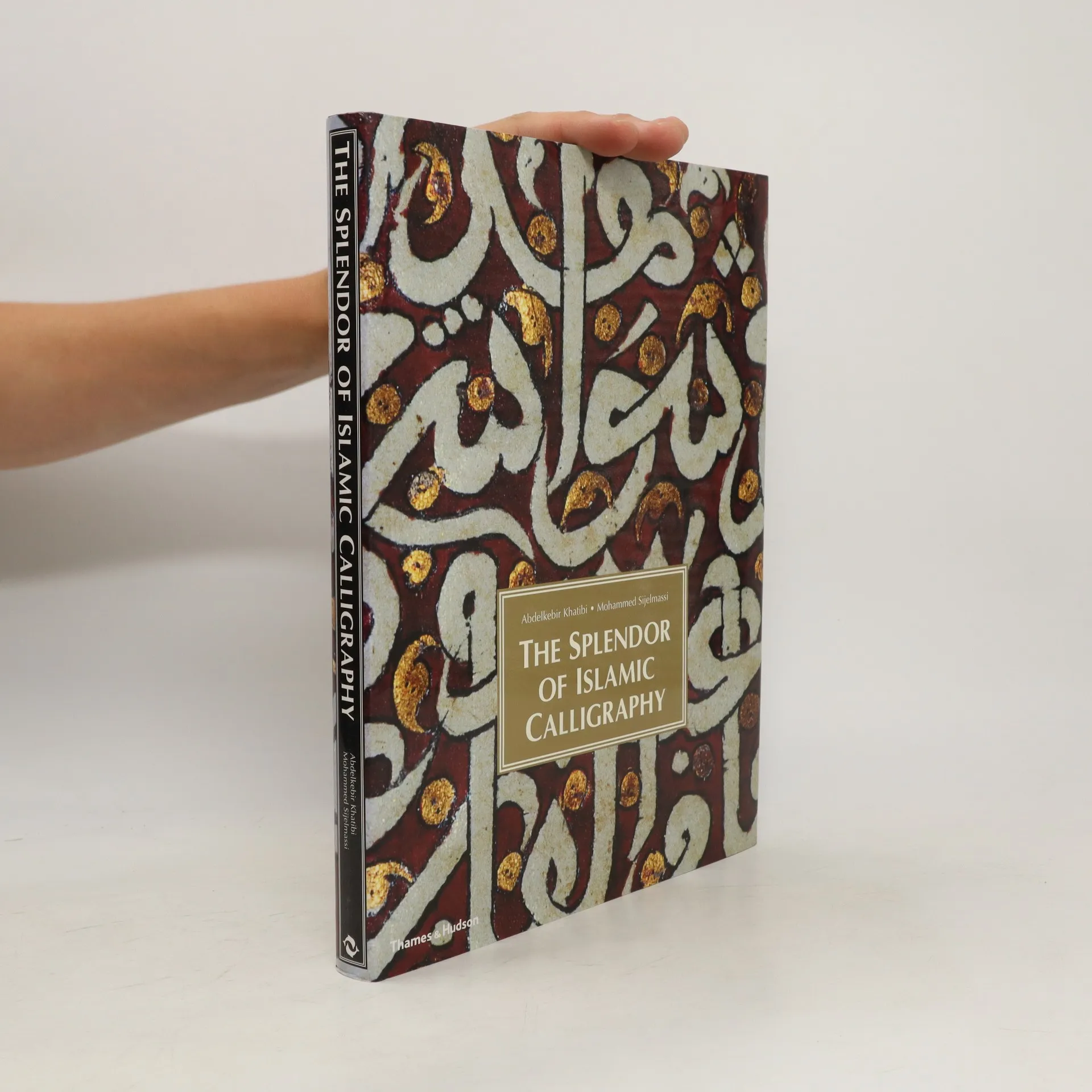
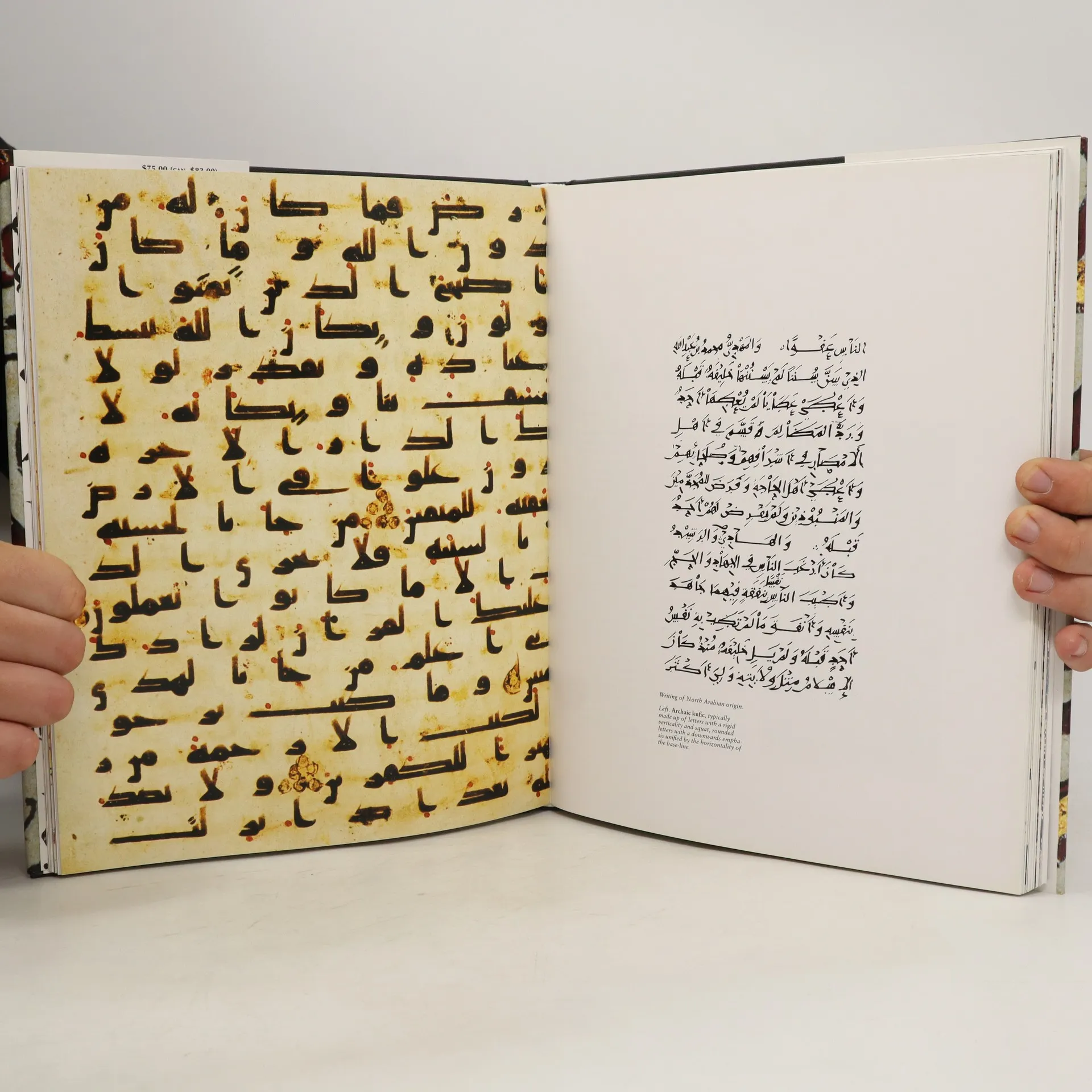
Islamic calligraphy traditionally took its inspiration from the Muslim belief in the divine origin of Arabic writing. In early Islam the use of Arabic writing is sacred, and official texts gave rise to a wonderful profusion of scripts and a calligraphic tradition that has flourished for over a thousand years -- not only in manuscript decoration but also in architecture, ceramics, and painting. This book provides a comprehensive survey of the subject from its earliest origins to the present day. It explains the geometrical and ornamental principles of calligraphy and examines the interdependence of script and page decoration. Finally, and perhaps most important, it contains outstanding examples of scripts-- Kufic, Thuluth, Naskhi, and Maghribi -- in a series of magnificent reproductions of manuscript pages, paintings, and other works of art--Publisher's description
Zakup książki
The Splendor of Islamic Calligraphy, Mohammed Sijelmassi, Abdelkebir Khatibi
- Język

- Rok wydania
- 1996
- Oprawa
- (twarda)
Metody płatności
Brakuje nam tutaj Twojej recenzji.
- Tytuł
- The Splendor of Islamic Calligraphy
- Język
- angielski
- Wydawca
- Thames & Hudson
- Rok wydania
- 1996
- Oprawa
- twarda
- ISBN10
- 0500016755
- ISBN13
- 9780500016756
- Seria
- Tagi
- Sztuka, Historia sztuki
- Ocena
- 4,2 z 5
- Opis
- Islamic calligraphy traditionally took its inspiration from the Muslim belief in the divine origin of Arabic writing. In early Islam the use of Arabic writing is sacred, and official texts gave rise to a wonderful profusion of scripts and a calligraphic tradition that has flourished for over a thousand years -- not only in manuscript decoration but also in architecture, ceramics, and painting. This book provides a comprehensive survey of the subject from its earliest origins to the present day. It explains the geometrical and ornamental principles of calligraphy and examines the interdependence of script and page decoration. Finally, and perhaps most important, it contains outstanding examples of scripts-- Kufic, Thuluth, Naskhi, and Maghribi -- in a series of magnificent reproductions of manuscript pages, paintings, and other works of art--Publisher's description