

Więcej o książce
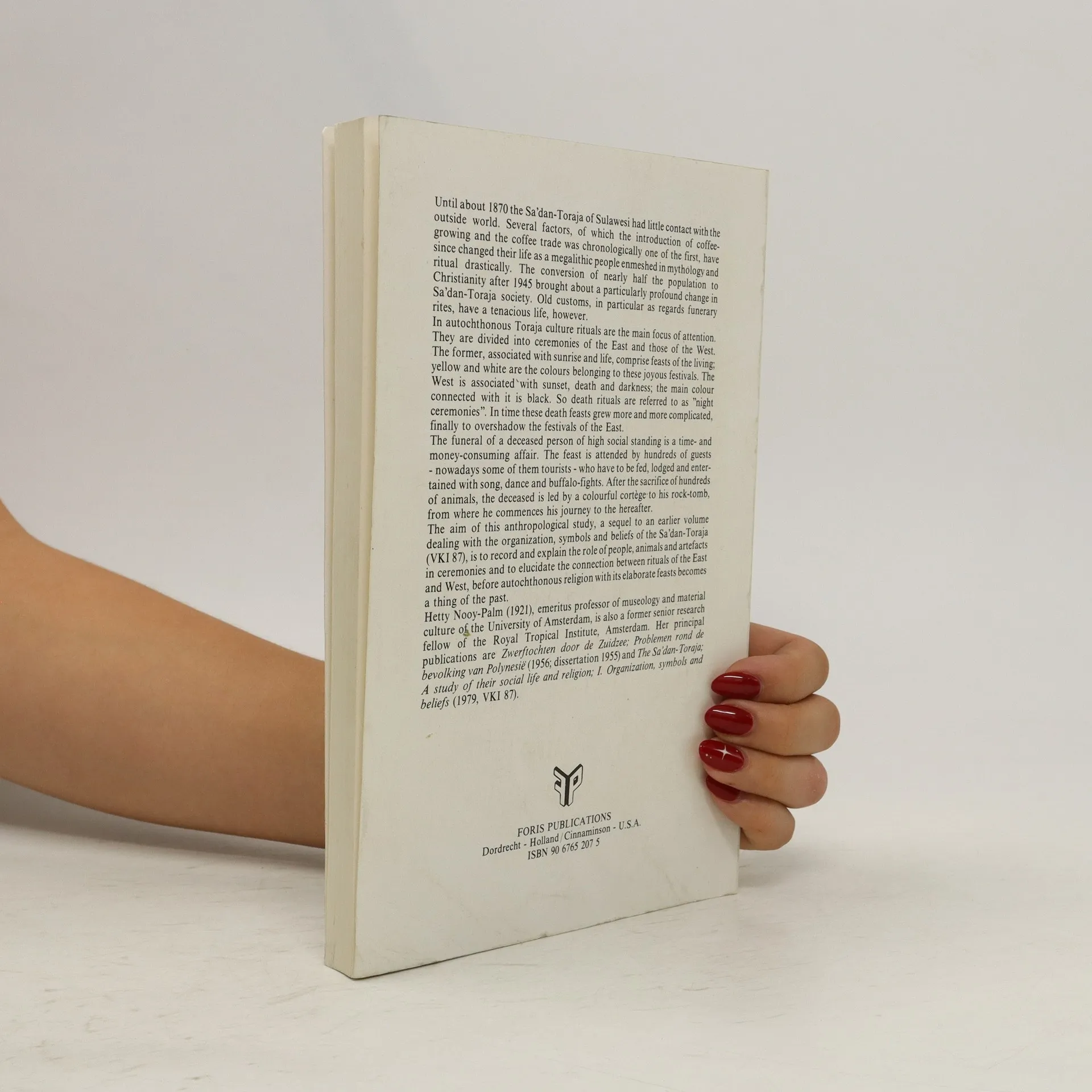
Until about 1870 the Sa'dan-toraja of Sulawesi had little contact with the outside world. Several factors, of which the introduction of the coffee-growing and the coffee trade was chronologically one of the first, have changed their life as a megalithic people enmeshed in mythology and ritual drastically. The conversion of nearly half the population to Christianity after 1945 brought a particularly profound change in Sa'dan-Toraja society. Old customs, in particular as regards funerary rites, have a tenacious life, however. In autochthonous Toraja culture rituals are the main focus of attention. They are divided into ceremonies of the East and those of the West. The former, associated with sunrise and life, comprise feasts of the living; yellow and white are the colours belonging to these joyous festivals. The West is associated with sunset, death and darkness; the main colour connected with it is black. So death rituals are referred to a “night ceremonies”. In time these death feasts grew more and more complicated, finally overshadowing the festivals of the East.
Zakup książki
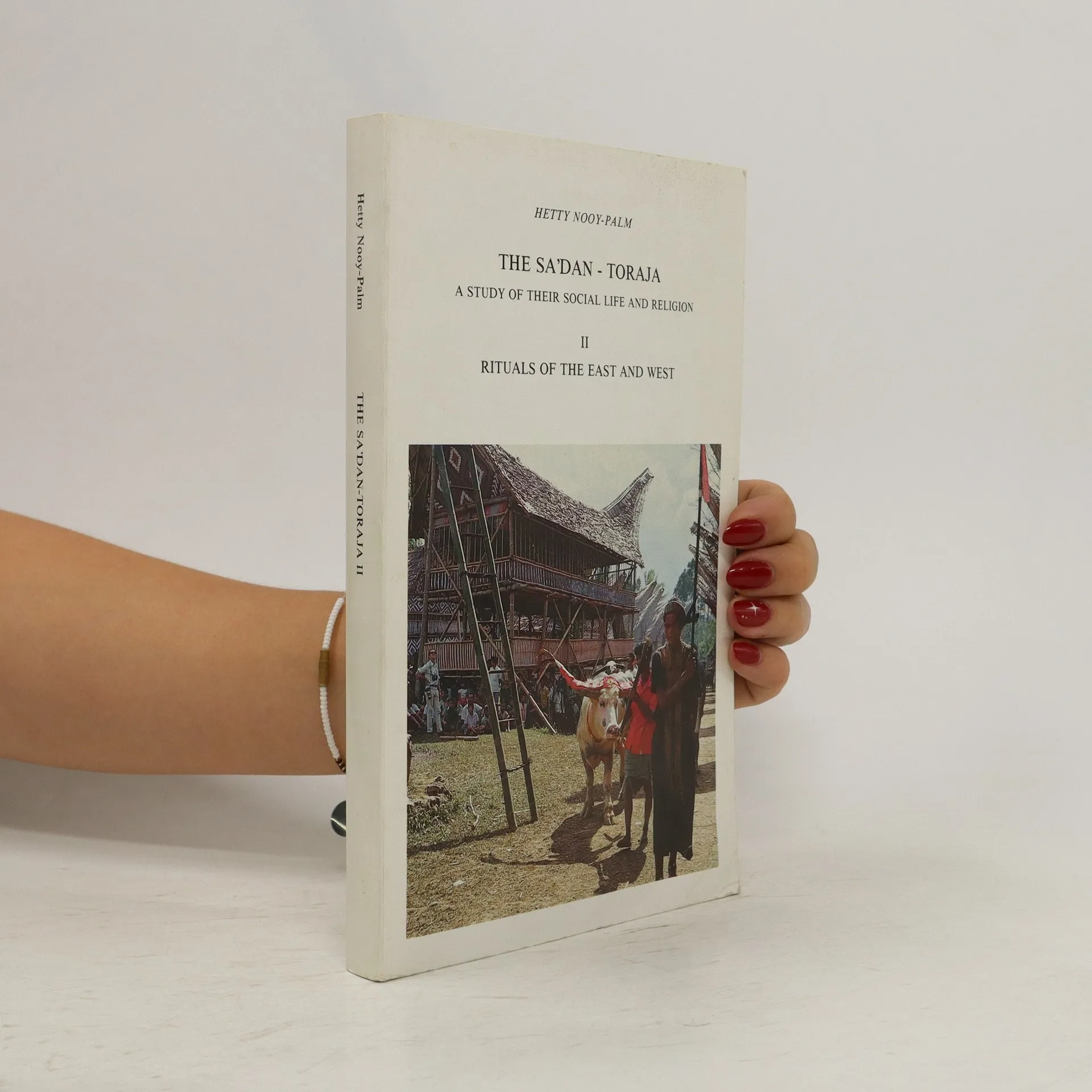
The Sa'dan-Toraja. A Study of Their Social Life and Religion II. Rituals of the East and West, Hetty Nooy-Palm
- Język

- Rok wydania
- 1979
- Oprawa
- (miękka)
Metody płatności
Nikt jeszcze nie ocenił.
- Tytuł
- The Sa'dan-Toraja. A Study of Their Social Life and Religion II. Rituals of the East and West
- Język
- angielski
- Autorzy
- Hetty Nooy-Palm
- Wydawca
- Brill Academic Pub
- Rok wydania
- 1979
- Oprawa
- miękka
- Liczba stron
- 392
- ISBN10
- 9067652075
- ISBN13
- 9789067652070
- Seria
- Opis
- Until about 1870 the Sa'dan-toraja of Sulawesi had little contact with the outside world. Several factors, of which the introduction of the coffee-growing and the coffee trade was chronologically one of the first, have changed their life as a megalithic people enmeshed in mythology and ritual drastically. The conversion of nearly half the population to Christianity after 1945 brought a particularly profound change in Sa'dan-Toraja society. Old customs, in particular as regards funerary rites, have a tenacious life, however. In autochthonous Toraja culture rituals are the main focus of attention. They are divided into ceremonies of the East and those of the West. The former, associated with sunrise and life, comprise feasts of the living; yellow and white are the colours belonging to these joyous festivals. The West is associated with sunset, death and darkness; the main colour connected with it is black. So death rituals are referred to a “night ceremonies”. In time these death feasts grew more and more complicated, finally overshadowing the festivals of the East.