

Więcej o książce
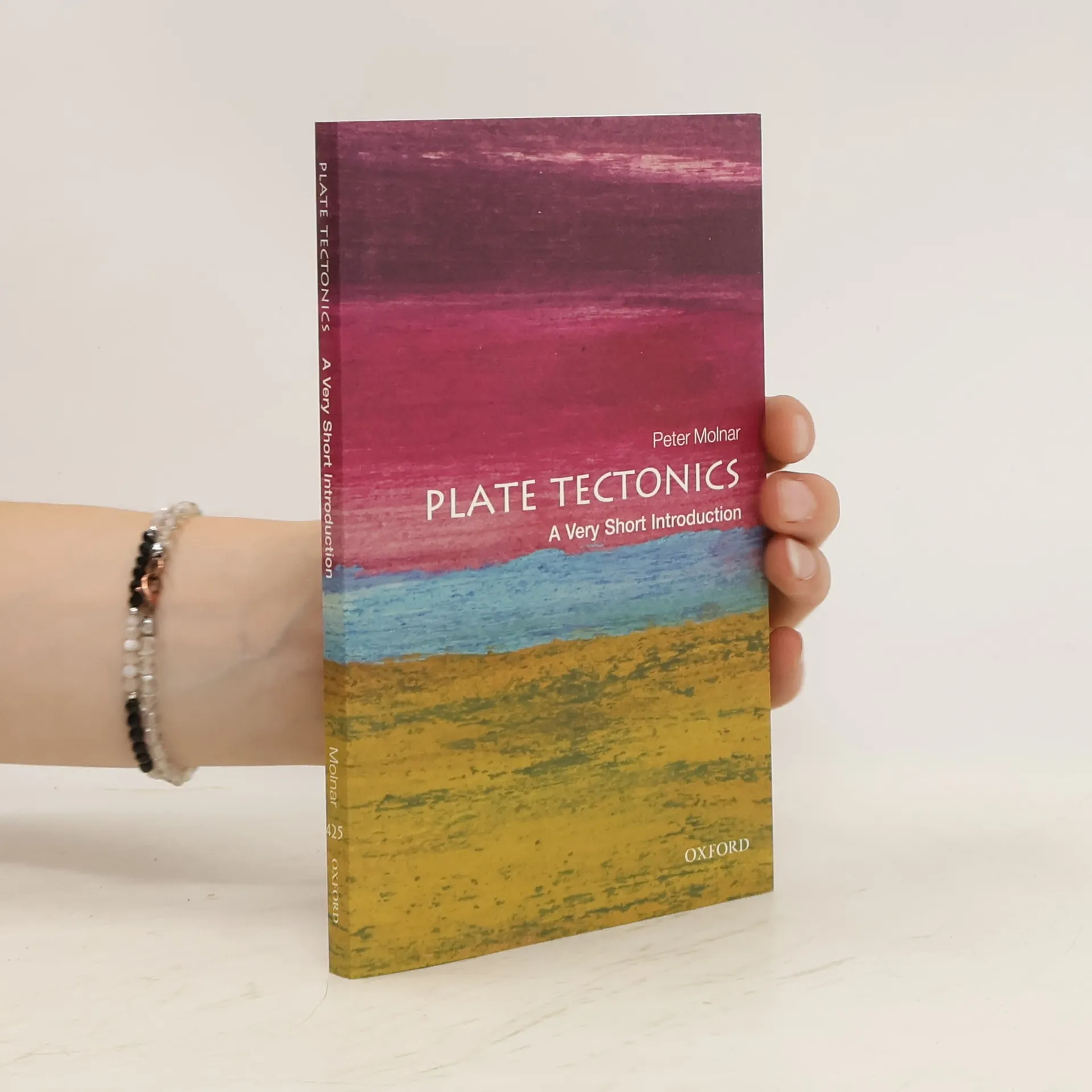
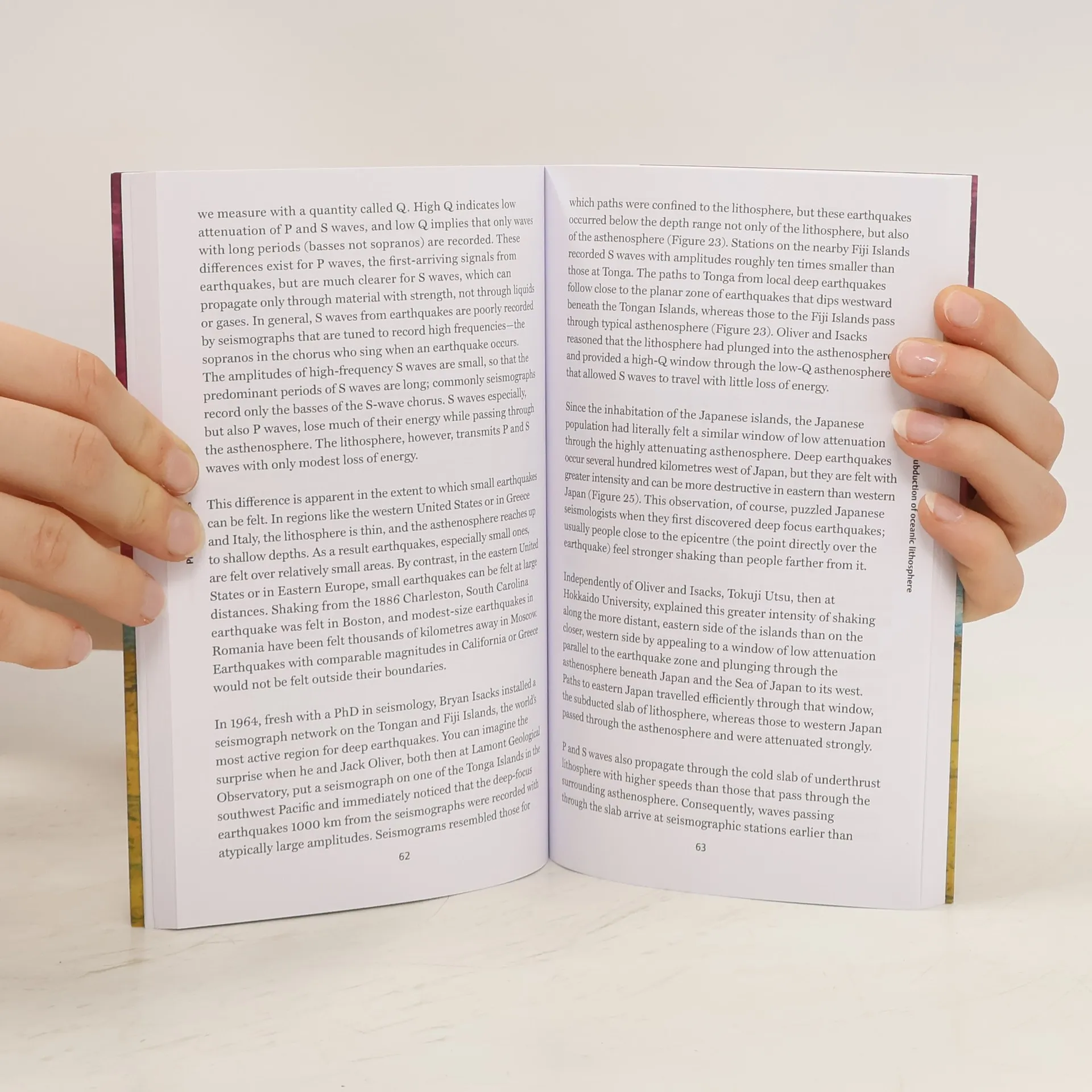
La 4e de couv. indique : "The concept of plate tectonics is relatively new - it was only in the 1960s that the idea that continents drifted with respect to one another came to be accepted. Plate tectonics now forms one of geology's basic principles and explains much of the large-scale structure and phenomena we see on Earth today. In this Very Short Introduction Peter Molnar explores the impact that plate tectonics has had on our understanding of Earth : how the ocean floor forms, widens, and disappears ; why earthquakes and volcanoes are found in distinct zones ; and how the great mountain ranges of the world were built. As the Himalaya continues to grow, the Atlantic widens, and new ocean floor is forming, the mechanisms of plate tectonics continue to alter the surface of our planet."
Zakup książki
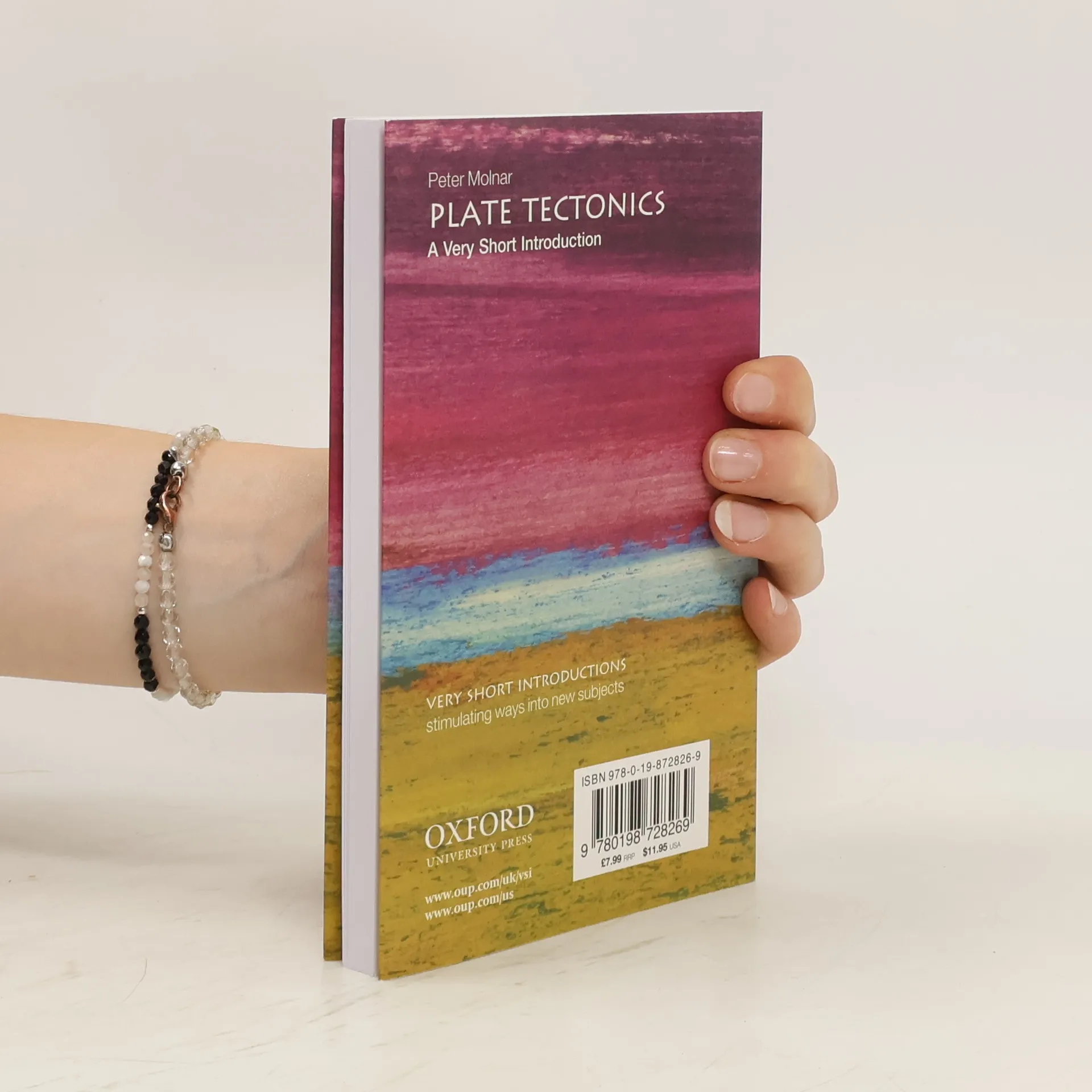
Plate Tectonics. A Very Short Introduction, Peter Molnár
- Język

- Rok wydania
- 2015
- Oprawa
- (miękka)
Metody płatności
Brakuje nam tutaj Twojej recenzji.
- Tytuł
- Plate Tectonics. A Very Short Introduction
- Język
- angielski
- Autorzy
- Peter Molnár
- Wydawca
- Oxford University Press, USA
- Rok wydania
- 2015
- Oprawa
- miękka
- Liczba stron
- 136
- ISBN10
- 0198728263
- ISBN13
- 9780198728269
- Seria
- Kategorie
- Tagi
- Ocena
- 3,65 z 5
- Opis
- La 4e de couv. indique : "The concept of plate tectonics is relatively new - it was only in the 1960s that the idea that continents drifted with respect to one another came to be accepted. Plate tectonics now forms one of geology's basic principles and explains much of the large-scale structure and phenomena we see on Earth today. In this Very Short Introduction Peter Molnar explores the impact that plate tectonics has had on our understanding of Earth : how the ocean floor forms, widens, and disappears ; why earthquakes and volcanoes are found in distinct zones ; and how the great mountain ranges of the world were built. As the Himalaya continues to grow, the Atlantic widens, and new ocean floor is forming, the mechanisms of plate tectonics continue to alter the surface of our planet."