


Parametry
- 544 strony
- 20 godzin czytania
Więcej o książce
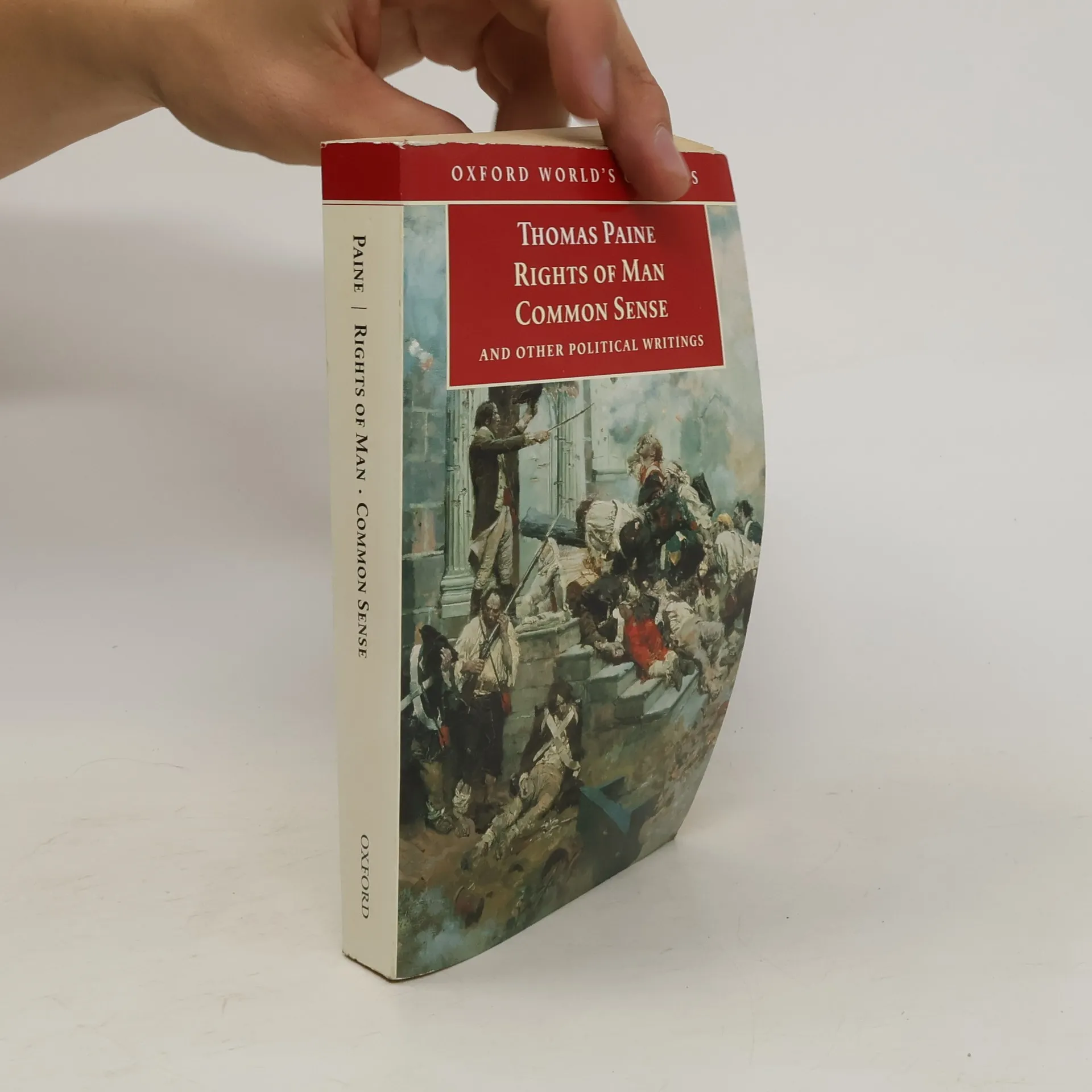
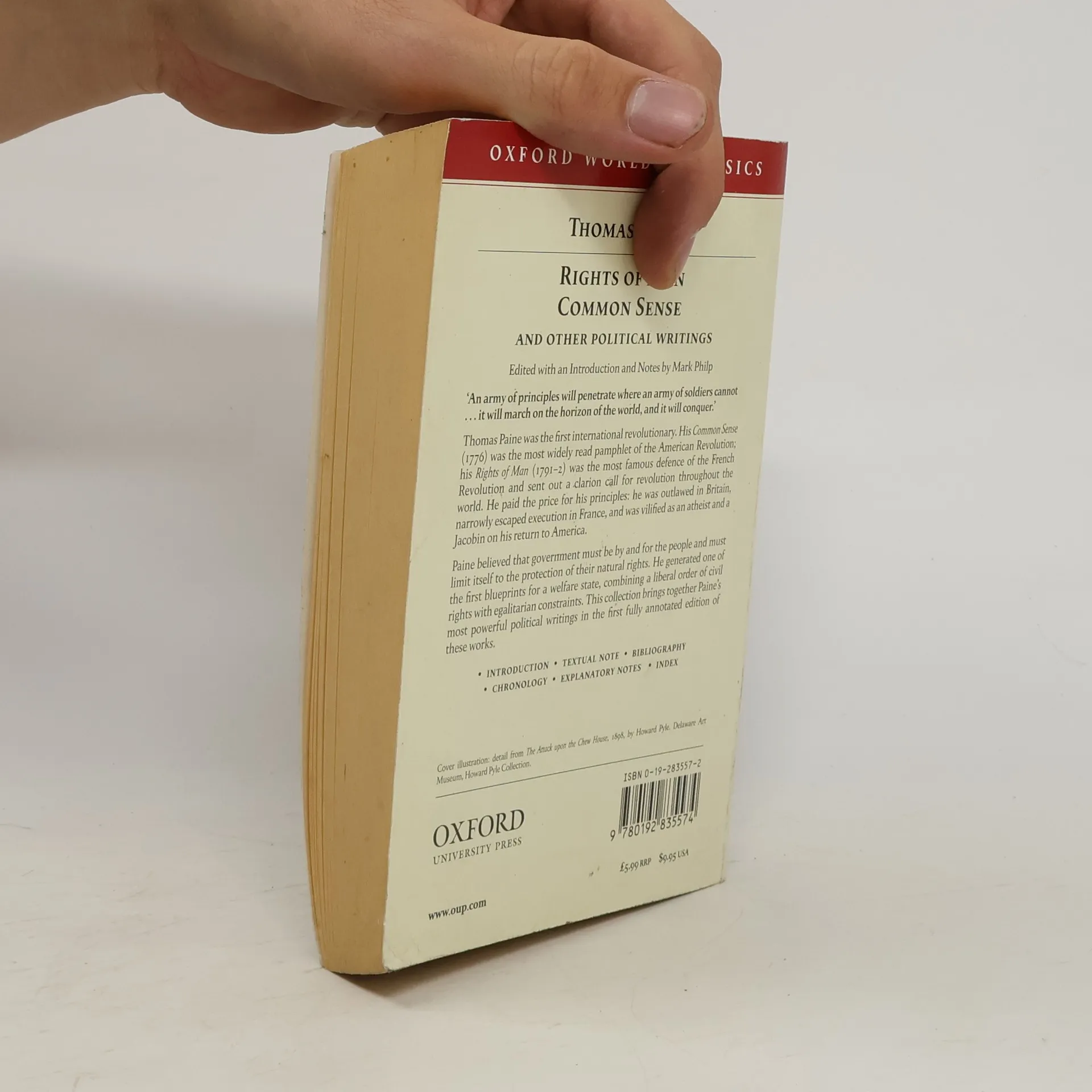
Thomas Paine was the first international revolutionary. His Common Sense (1776) was the most widely read pamphlet of the American Revolution and his Rights of Man (1791-2), the most famous defense of the French Revolution, sent out a clarion call for revolution throughout the world. Paine paid the price for his principles: he was outlawed in Britain, narrowly escaped execution in France, and was vilified as an atheist and a Jacobin on his return to America.This new edition contains the complete texts of both Rights of Man and Common Sense, as well as six other powerfully political writings - American Crisis I, American Crisis XIII, Agrarian Justice, Letter to Jefferson, Letter Addressed to the Addressers on the Late Proclamation and Dissertation on the First Principles of Government - all of which illustrate why Paine's ideas still resonate in the modern welfare states of today.
Zakup książki
Rights of Man. Common Sense, Thomas Paine
- Język

- Rok wydania
- 1995
- Oprawa
- (miękka)
Metody płatności
Brakuje nam tutaj Twojej recenzji.
- Tytuł
- Rights of Man. Common Sense
- Język
- angielski
- Autorzy
- Thomas Paine
- Wydawca
- Oxford University Press
- Rok wydania
- 1995
- Oprawa
- miękka
- Liczba stron
- 544
- ISBN10
- 0192835572
- ISBN13
- 9780192835574
- Seria
- Kategorie
- Ocena
- 4,05 z 5
- Opis
- Thomas Paine was the first international revolutionary. His Common Sense (1776) was the most widely read pamphlet of the American Revolution and his Rights of Man (1791-2), the most famous defense of the French Revolution, sent out a clarion call for revolution throughout the world. Paine paid the price for his principles: he was outlawed in Britain, narrowly escaped execution in France, and was vilified as an atheist and a Jacobin on his return to America.This new edition contains the complete texts of both Rights of Man and Common Sense, as well as six other powerfully political writings - American Crisis I, American Crisis XIII, Agrarian Justice, Letter to Jefferson, Letter Addressed to the Addressers on the Late Proclamation and Dissertation on the First Principles of Government - all of which illustrate why Paine's ideas still resonate in the modern welfare states of today.