



Więcej o książce
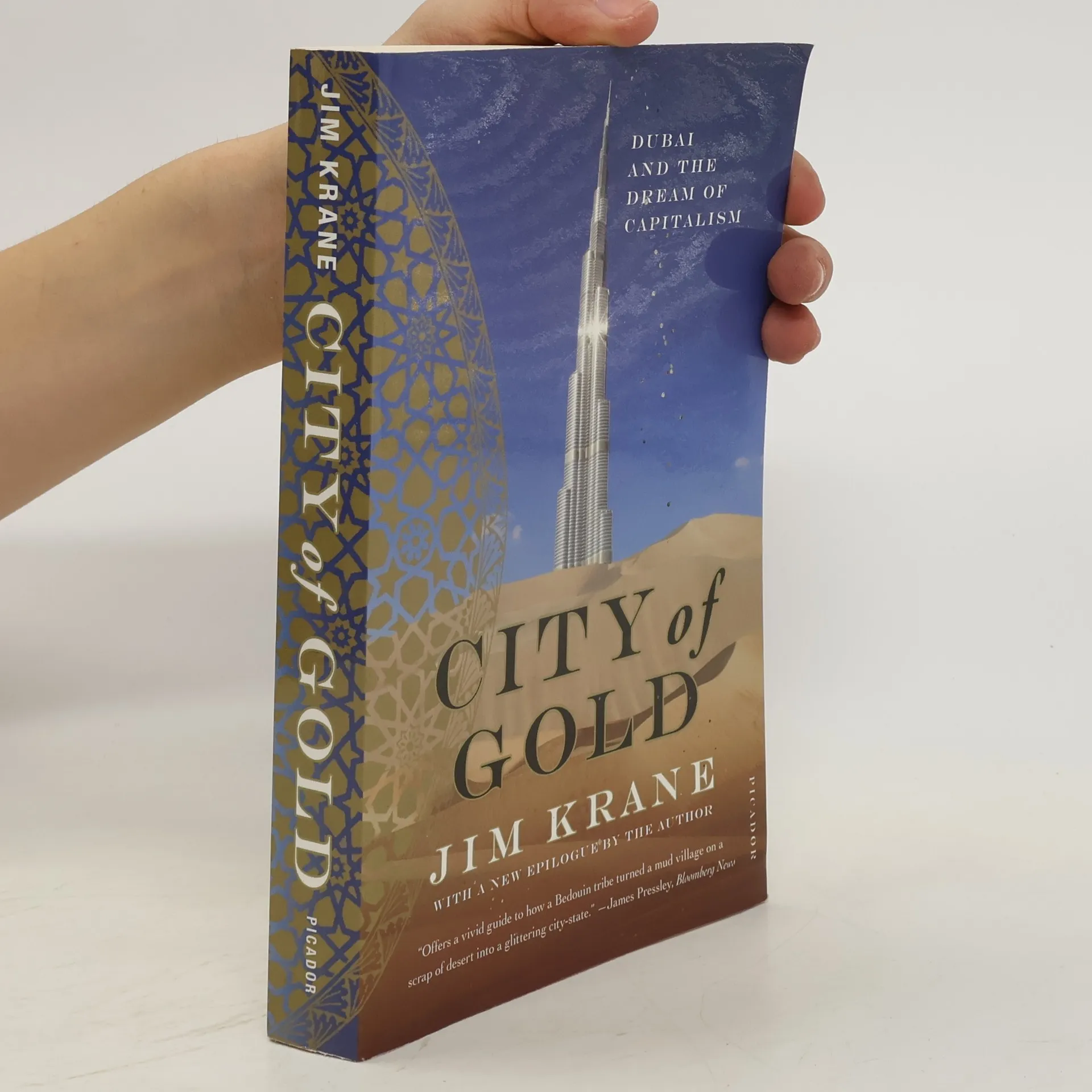
Award-winning journalist Jim Krane explores Dubai's transformation from a modest village in the 1960s to a bustling metropolis, examining the influence of the ruling Maktoum family and the impact of the global economic downturn. Known for its capitalist ethos, Dubai stands in stark contrast to much of the Arab world, boasting a booming economy that once outpaced China and attracted more tourists than India. Krane, who reported for the AP in Dubai, provides an immersive account by engaging with its diverse inhabitants—from business leaders to laborers—while walking its vibrant streets. The city, characterized by its architectural marvels and luxury resorts, has become a cosmopolitan hub that hosts prestigious companies and universities, drawing in the Middle East's intellectual elite. However, this rapid growth has resulted in significant pollution and a stark social divide, with locals becoming a minority amid a vast expatriate population. Despite perceptions that Dubai's peak has passed, Krane offers a nuanced perspective on its future, suggesting that the City of Gold still holds untapped potential as it continues to evolve on the global stage.
Zakup książki
City of gold : Dubai and the dream of capitalism, Jim Krane
- Język

- Rok wydania
- 2010
- Oprawa
- (miękka)
Metody płatności
Brakuje nam tutaj Twojej recenzji.
- Tytuł
- City of gold : Dubai and the dream of capitalism
- Język
- angielski
- Autorzy
- Jim Krane
- Wydawca
- Picador/St. Martin's Press
- Rok wydania
- 2010
- Oprawa
- miękka
- Liczba stron
- 384
- ISBN10
- 0312655436
- ISBN13
- 9780312655433
- Seria
- Kategorie
- Tagi
- Tematy historyczne, Biznes, Podróże, Polityka, Miasta
- Ocena
- 3,9 z 5
- Opis
- Award-winning journalist Jim Krane explores Dubai's transformation from a modest village in the 1960s to a bustling metropolis, examining the influence of the ruling Maktoum family and the impact of the global economic downturn. Known for its capitalist ethos, Dubai stands in stark contrast to much of the Arab world, boasting a booming economy that once outpaced China and attracted more tourists than India. Krane, who reported for the AP in Dubai, provides an immersive account by engaging with its diverse inhabitants—from business leaders to laborers—while walking its vibrant streets. The city, characterized by its architectural marvels and luxury resorts, has become a cosmopolitan hub that hosts prestigious companies and universities, drawing in the Middle East's intellectual elite. However, this rapid growth has resulted in significant pollution and a stark social divide, with locals becoming a minority amid a vast expatriate population. Despite perceptions that Dubai's peak has passed, Krane offers a nuanced perspective on its future, suggesting that the City of Gold still holds untapped potential as it continues to evolve on the global stage.