


Więcej o książce
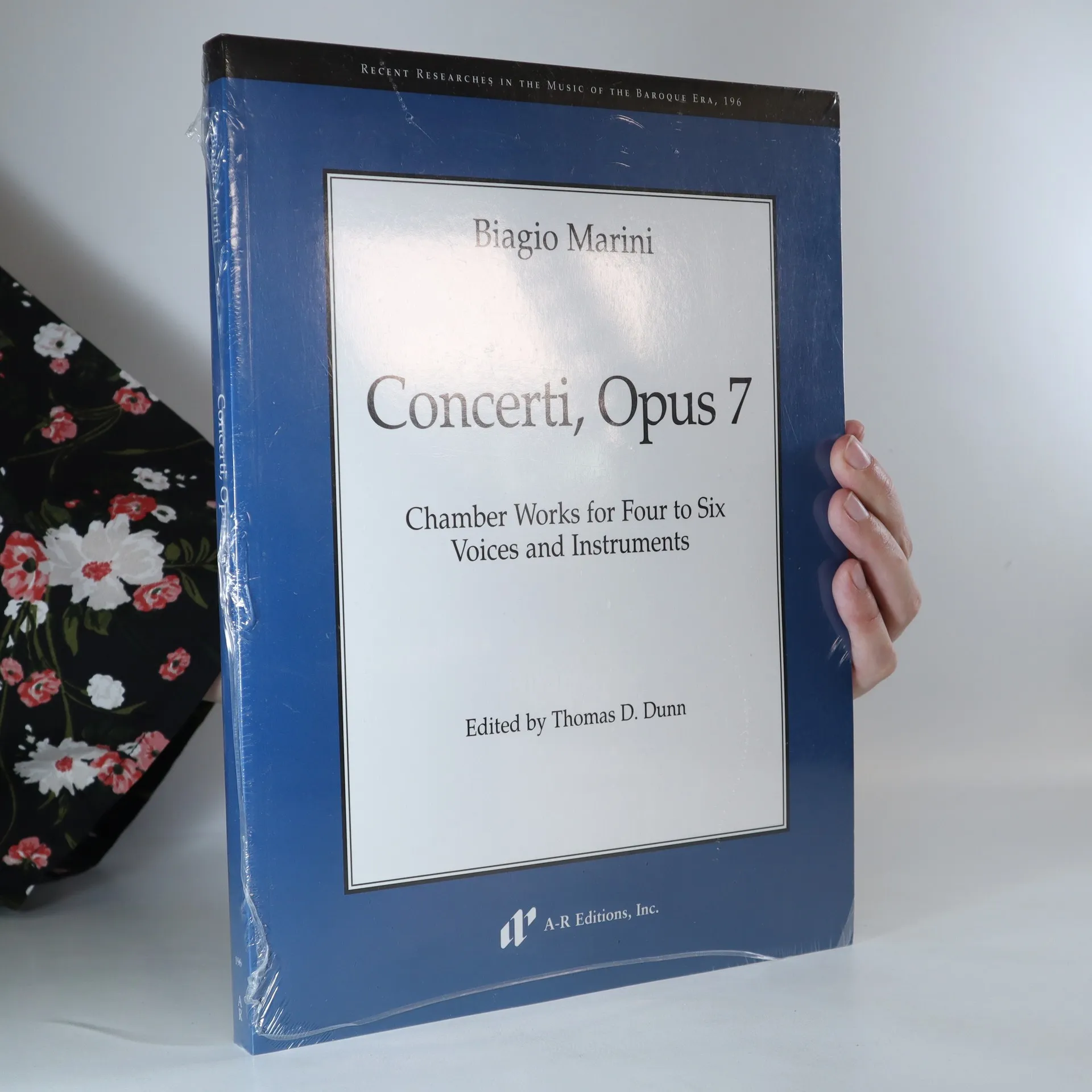
Concerti, Opus 7 is the first of three ambitious collections (opp. 79) dedicated between 1624 and 1626 by Biagio Marini (15941663). Together they represent a watershed in his career: an ambitious tackling of multiple musical genres and an uncommon industriousness in producing a large, almost encyclopedic body of music. Opus 7 comprises thirteen works: seven for four to six voices and continuo, and six that include additional instrumental parts, whether optional (nos. 8 and 10) or obbligato (nos. 7, 1113). Nos. 1113 also share the structural feature of being based either on an ostinato (the romanesca) or dance form (gagliarda and corrente). Compared with Marinis Madrigali et symfonie (1618), this collection demonstrates that, in the space of only a few years, the composer had made enormous strides in his handling of four or more voices and instruments.
Zakup książki
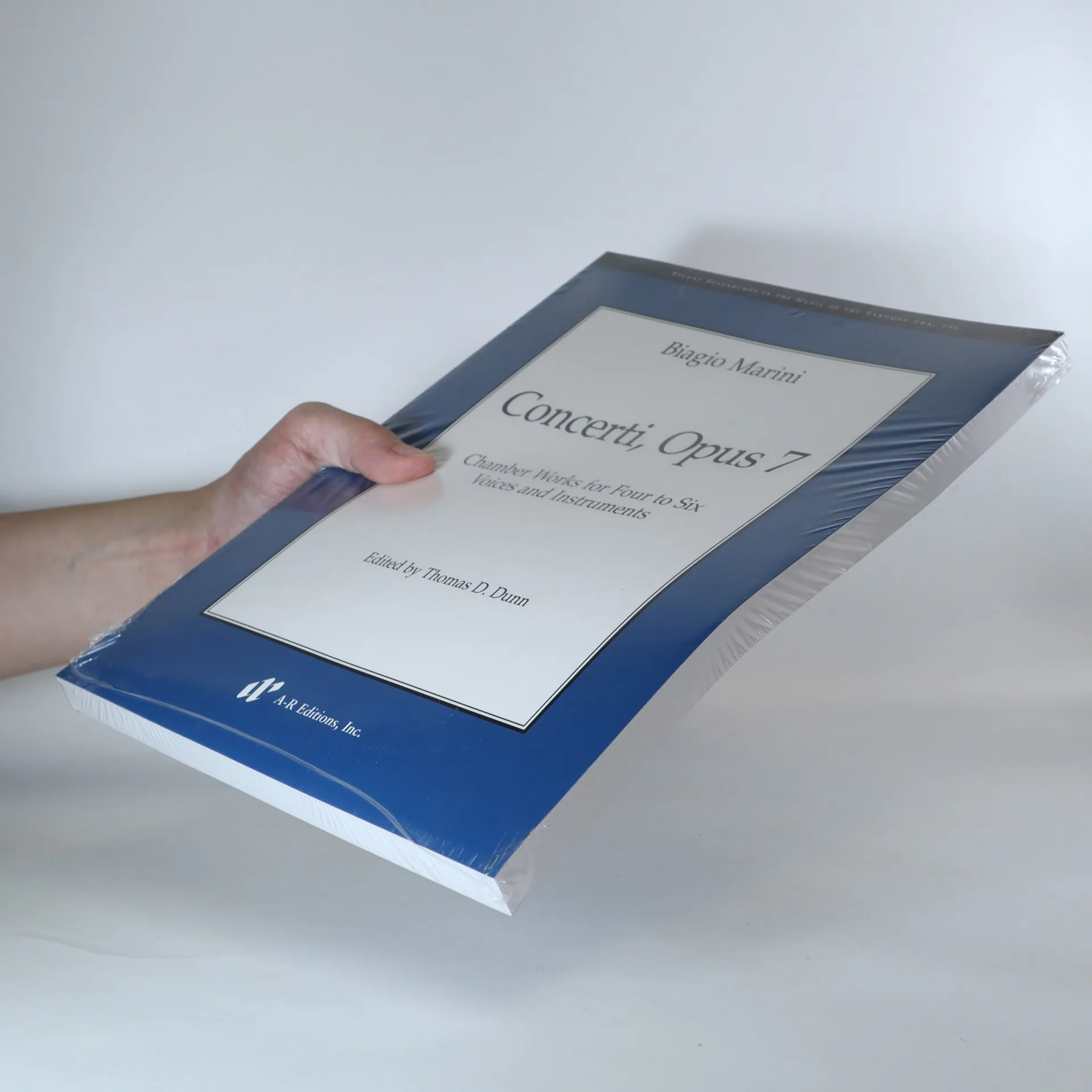
Concerti, opus 7. Chamber works for four to six voices and instruments, Biagio Marini
- Język

- Rok wydania
- 2017
- Oprawa
- (miękka)
Metody płatności
Nikt jeszcze nie ocenił.
- Tytuł
- Concerti, opus 7. Chamber works for four to six voices and instruments
- Język
- angielski
- Autorzy
- Biagio Marini
- Wydawca
- A-R Editions, Inc.
- Rok wydania
- 2017
- Oprawa
- miękka
- ISBN10
- 0895798611
- ISBN13
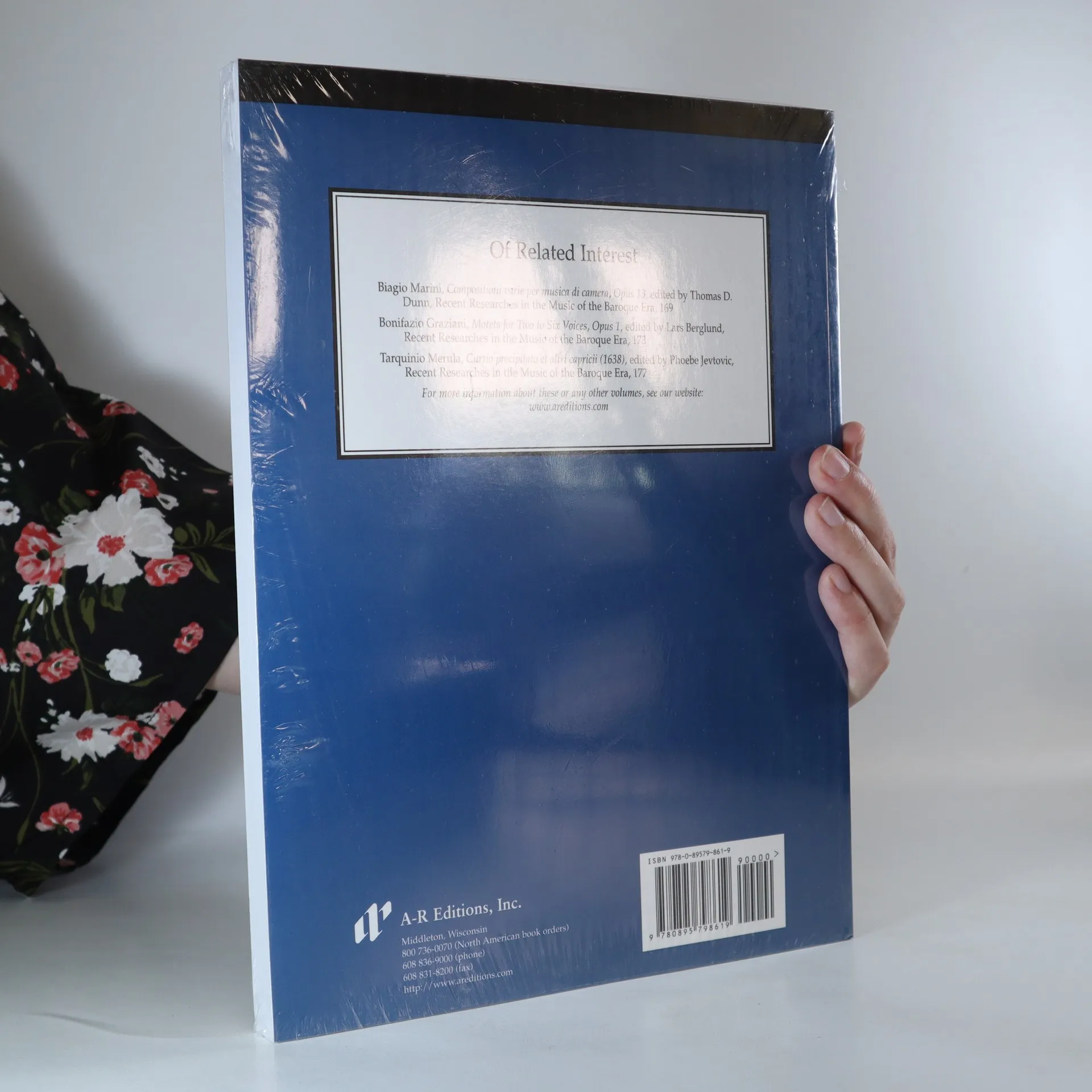
- 9780895798619
- Seria
- Tagi
- Tematyka muzyczna, Nuty
- Opis
- Concerti, Opus 7 is the first of three ambitious collections (opp. 79) dedicated between 1624 and 1626 by Biagio Marini (15941663). Together they represent a watershed in his career: an ambitious tackling of multiple musical genres and an uncommon industriousness in producing a large, almost encyclopedic body of music. Opus 7 comprises thirteen works: seven for four to six voices and continuo, and six that include additional instrumental parts, whether optional (nos. 8 and 10) or obbligato (nos. 7, 1113). Nos. 1113 also share the structural feature of being based either on an ostinato (the romanesca) or dance form (gagliarda and corrente). Compared with Marinis Madrigali et symfonie (1618), this collection demonstrates that, in the space of only a few years, the composer had made enormous strides in his handling of four or more voices and instruments.