

Więcej o książce
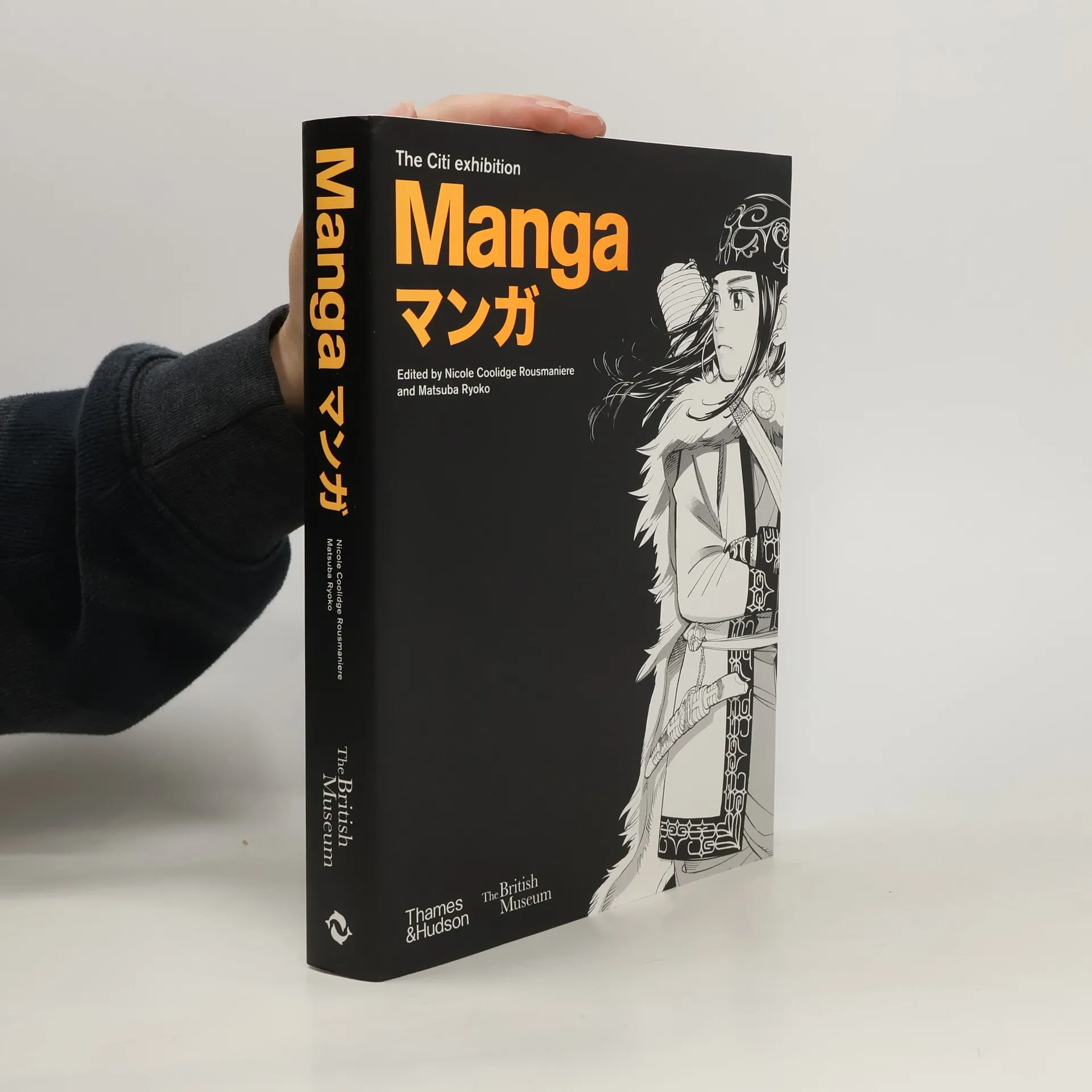
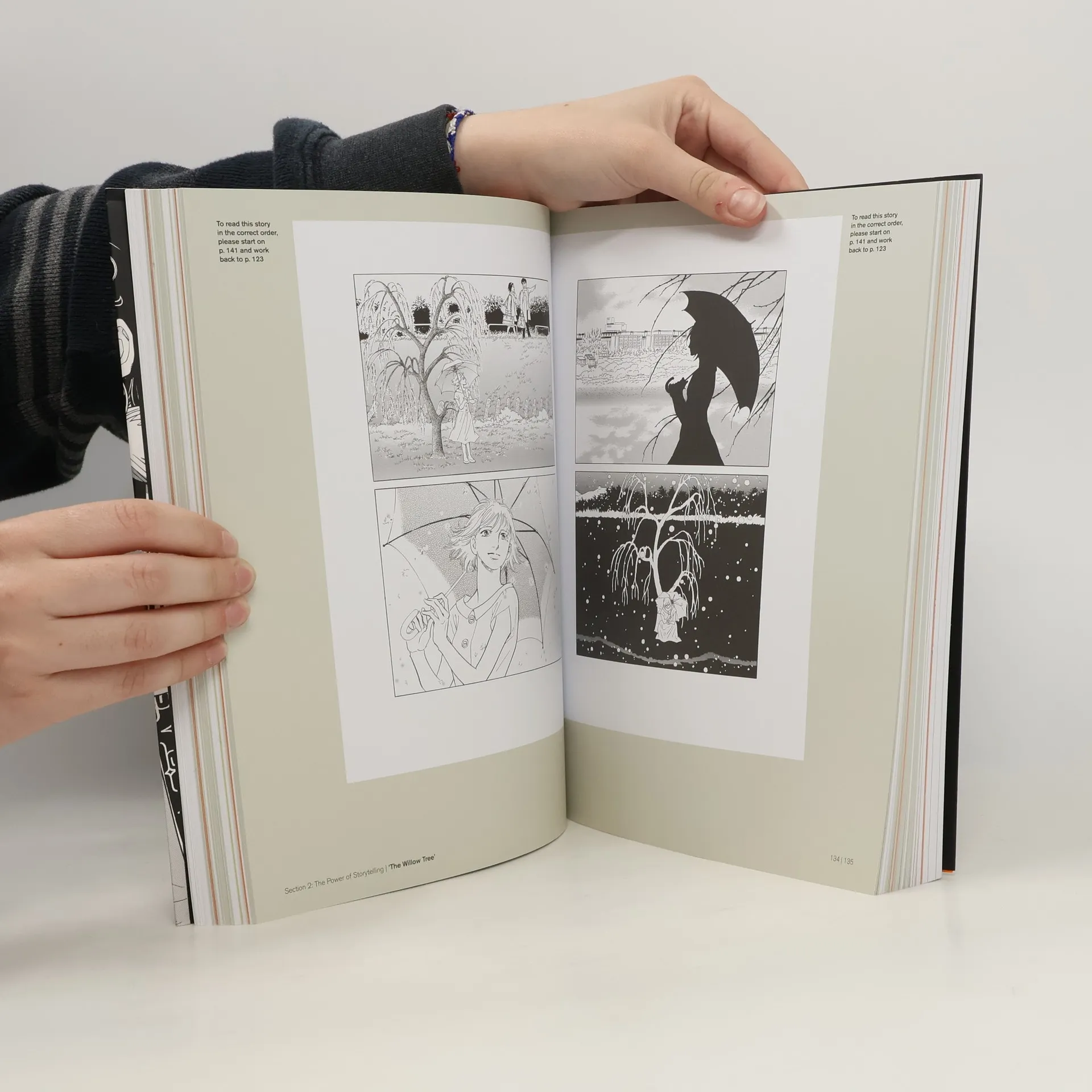
The story of manga, a vibrant form of Japanese narrative art, from its roots to its emergence as a contemporary global sensation. Manga is a form of Japanese narrative art that has grown over the centuries to become a global phenomenon in the post–World War II era. Initially referring to graphic novels and comics, manga has expanded beyond its original forms to include animation, fashion, and new media. Arranged into six thematic chapters, each opening with an essay, followed by interviews and art selections, this revealing study traces the origins of manga and explores its role in society, and its appearance in different media, from video games to street art, as well as its growing international reach. The voices of manga artists and editors are reflected throughout the book, along with critical analysis by leading scholars. Taking the style of the genre and its terms of reference as its cue, Manga draws upon printed manga works, artwork, manga magazines, original drawings, theater, film, digital technologies, and interviews with artists and publishers to bring the subject vividly to life. This book gives readers an understanding of the excitement generated by a form that crosses cultures and media in a globalized world.
Zakup książki
Manga : the citi exhibition, Nicole Coolidge Rousmaniere, Matsuba Ryoko
- Język

- Rok wydania
- 2019
- Oprawa
- (miękka)
Metody płatności
Brakuje nam tutaj Twojej recenzji.
- Tytuł
- Manga : the citi exhibition
- Język
- angielski
- Wydawca
- Thames & Hudson
- Rok wydania
- 2019
- Oprawa
- miękka
- Liczba stron
- 320
- ISBN10
- 0500480494
- ISBN13
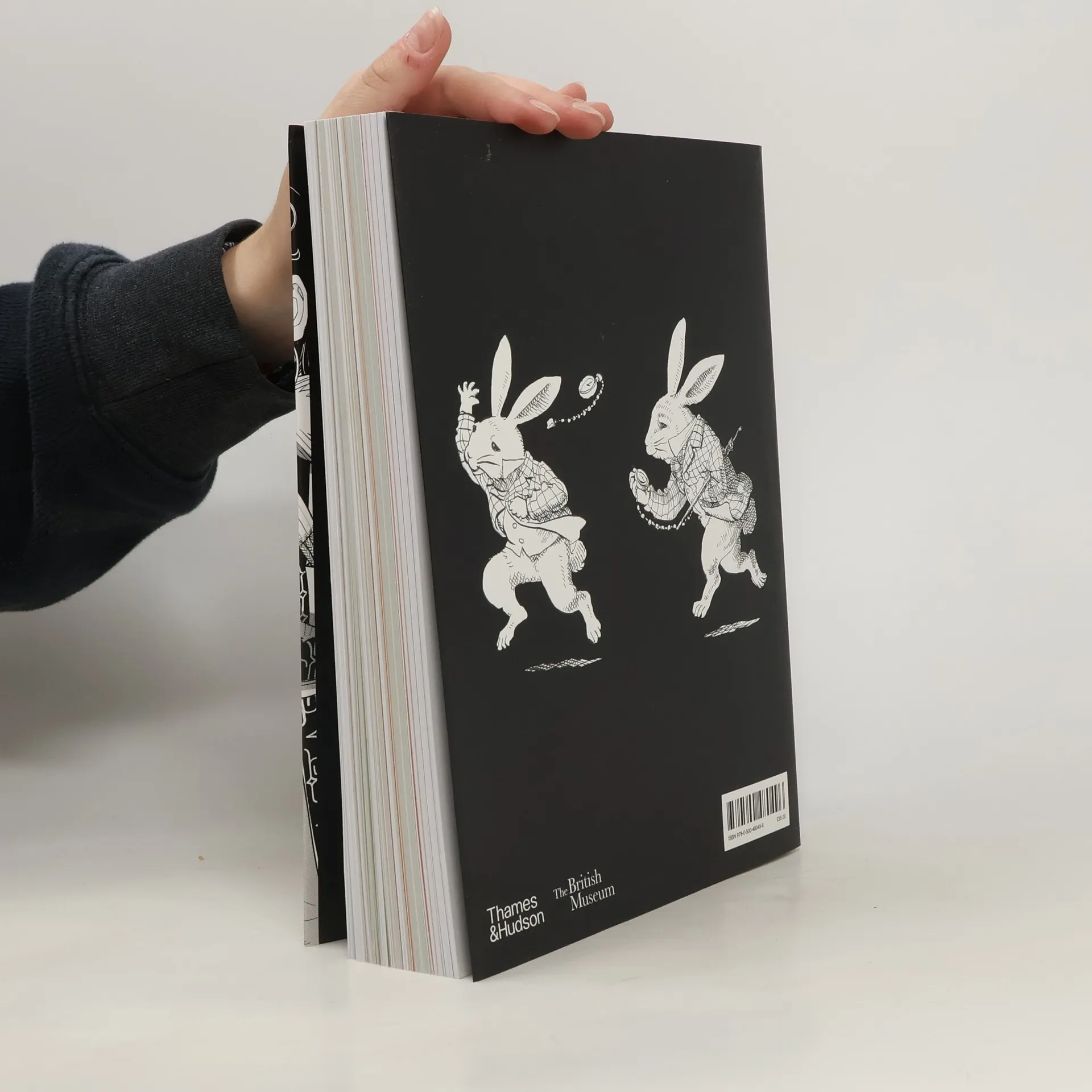
- 9780500480496
- Seria
- Tagi
- Sztuki piękne
- Ocena
- 5 z 5
- Opis
- The story of manga, a vibrant form of Japanese narrative art, from its roots to its emergence as a contemporary global sensation. Manga is a form of Japanese narrative art that has grown over the centuries to become a global phenomenon in the post–World War II era. Initially referring to graphic novels and comics, manga has expanded beyond its original forms to include animation, fashion, and new media. Arranged into six thematic chapters, each opening with an essay, followed by interviews and art selections, this revealing study traces the origins of manga and explores its role in society, and its appearance in different media, from video games to street art, as well as its growing international reach. The voices of manga artists and editors are reflected throughout the book, along with critical analysis by leading scholars. Taking the style of the genre and its terms of reference as its cue, Manga draws upon printed manga works, artwork, manga magazines, original drawings, theater, film, digital technologies, and interviews with artists and publishers to bring the subject vividly to life. This book gives readers an understanding of the excitement generated by a form that crosses cultures and media in a globalized world.