

Więcej o książce
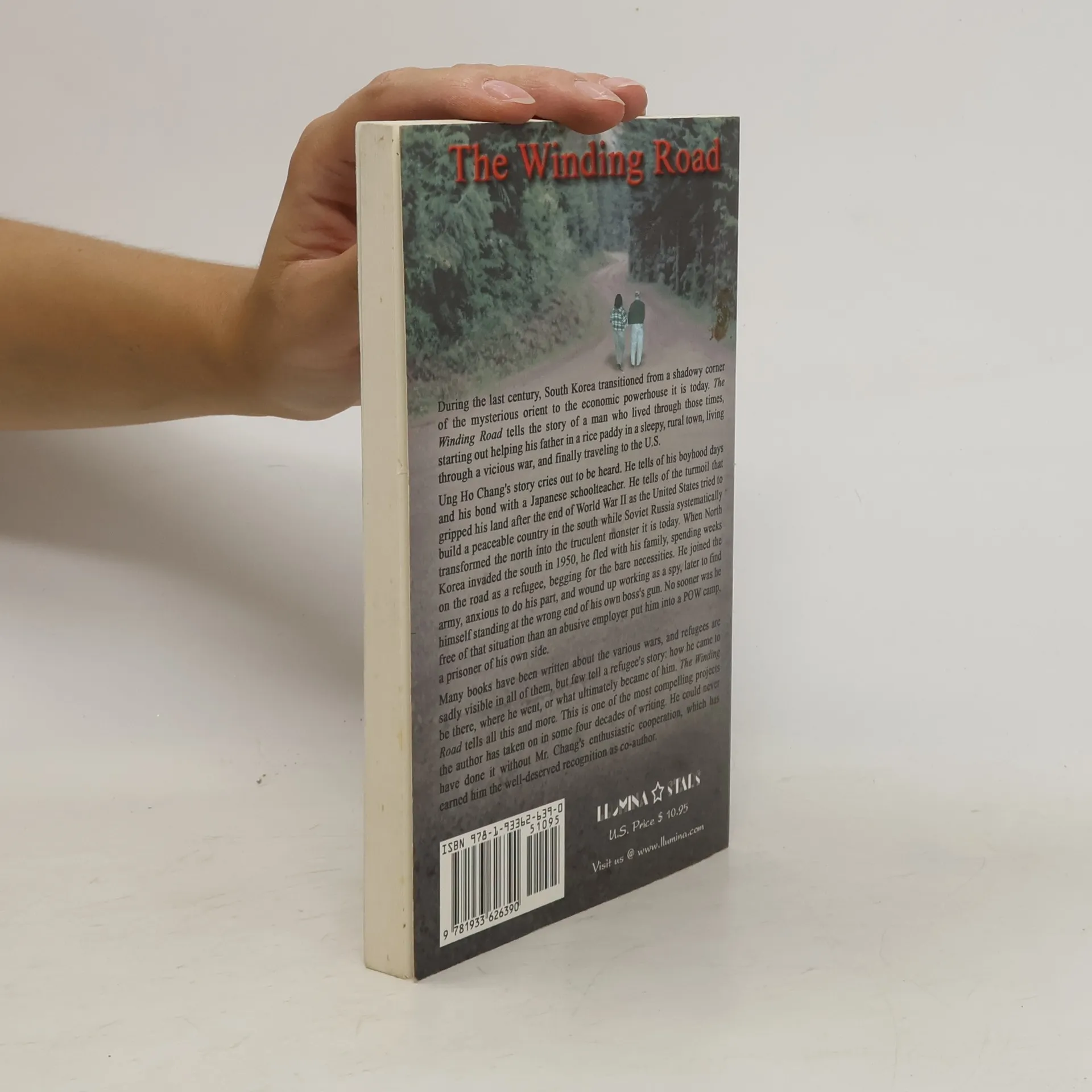
During the last century, South Korea evolved from a remote region to an economic powerhouse. This narrative follows a man's life journey from helping his father in a rice paddy in a rural town to his experiences during a devastating war and eventual relocation to the U.S. Ung Ho Chang's story is a poignant account of his childhood and his bond with a Japanese schoolteacher. It captures the chaos that ensued after World War II, as the U.S. sought to establish peace in the south while Soviet Russia transformed the north. When North Korea invaded in 1950, Chang and his family fled, enduring weeks as refugees, struggling for survival. He joined the army, eager to contribute, but found himself in perilous situations, including working as a spy and facing threats from his own superiors. After escaping one dangerous scenario, he was captured and placed in a POW camp by his own side. While many books discuss wars and refugees, few delve into the personal journey of a refugee, exploring how they arrived at their plight and their subsequent paths. This narrative offers a compelling insight into Chang's life, made possible through the author's collaboration with him, leading to well-deserved recognition as co-author.
Zakup książki
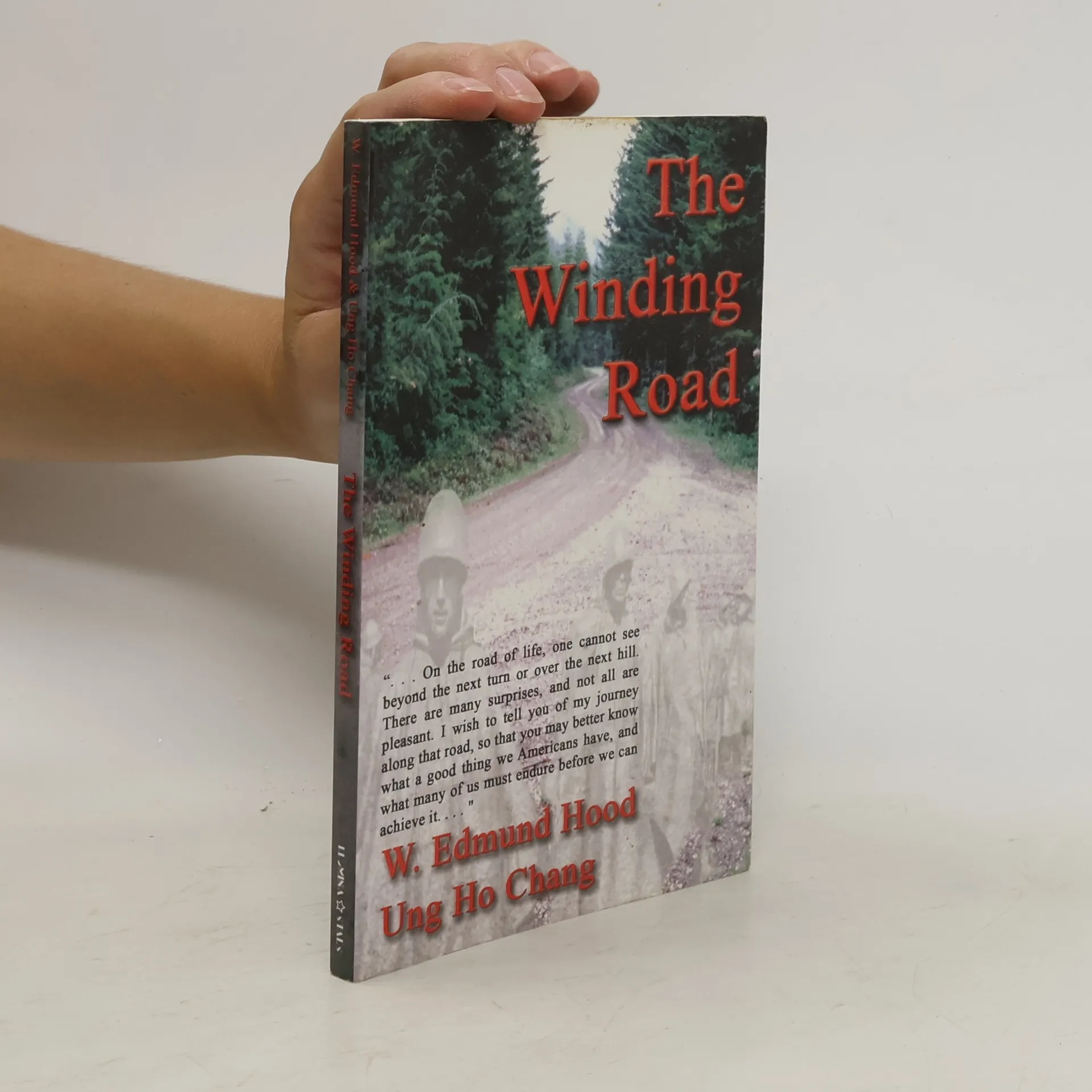
The Winding Road, W. Edmund Hood, Ung Ho Chang
- Język

- Rok wydania
- 2007
- Oprawa
- (miękka)
Metody płatności
Nikt jeszcze nie ocenił.
- Tytuł
- The Winding Road
- Język
- angielski
- Autorzy
- W. Edmund Hood, Ung Ho Chang
- Rok wydania
- 2007
- Oprawa
- miękka
- Liczba stron
- 117
- ISBN10
- 1933626399
- ISBN13
- 9781933626390
- Seria
- Kategorie
- Tagi
- Opis
- During the last century, South Korea evolved from a remote region to an economic powerhouse. This narrative follows a man's life journey from helping his father in a rice paddy in a rural town to his experiences during a devastating war and eventual relocation to the U.S. Ung Ho Chang's story is a poignant account of his childhood and his bond with a Japanese schoolteacher. It captures the chaos that ensued after World War II, as the U.S. sought to establish peace in the south while Soviet Russia transformed the north. When North Korea invaded in 1950, Chang and his family fled, enduring weeks as refugees, struggling for survival. He joined the army, eager to contribute, but found himself in perilous situations, including working as a spy and facing threats from his own superiors. After escaping one dangerous scenario, he was captured and placed in a POW camp by his own side. While many books discuss wars and refugees, few delve into the personal journey of a refugee, exploring how they arrived at their plight and their subsequent paths. This narrative offers a compelling insight into Chang's life, made possible through the author's collaboration with him, leading to well-deserved recognition as co-author.