

Więcej o książce
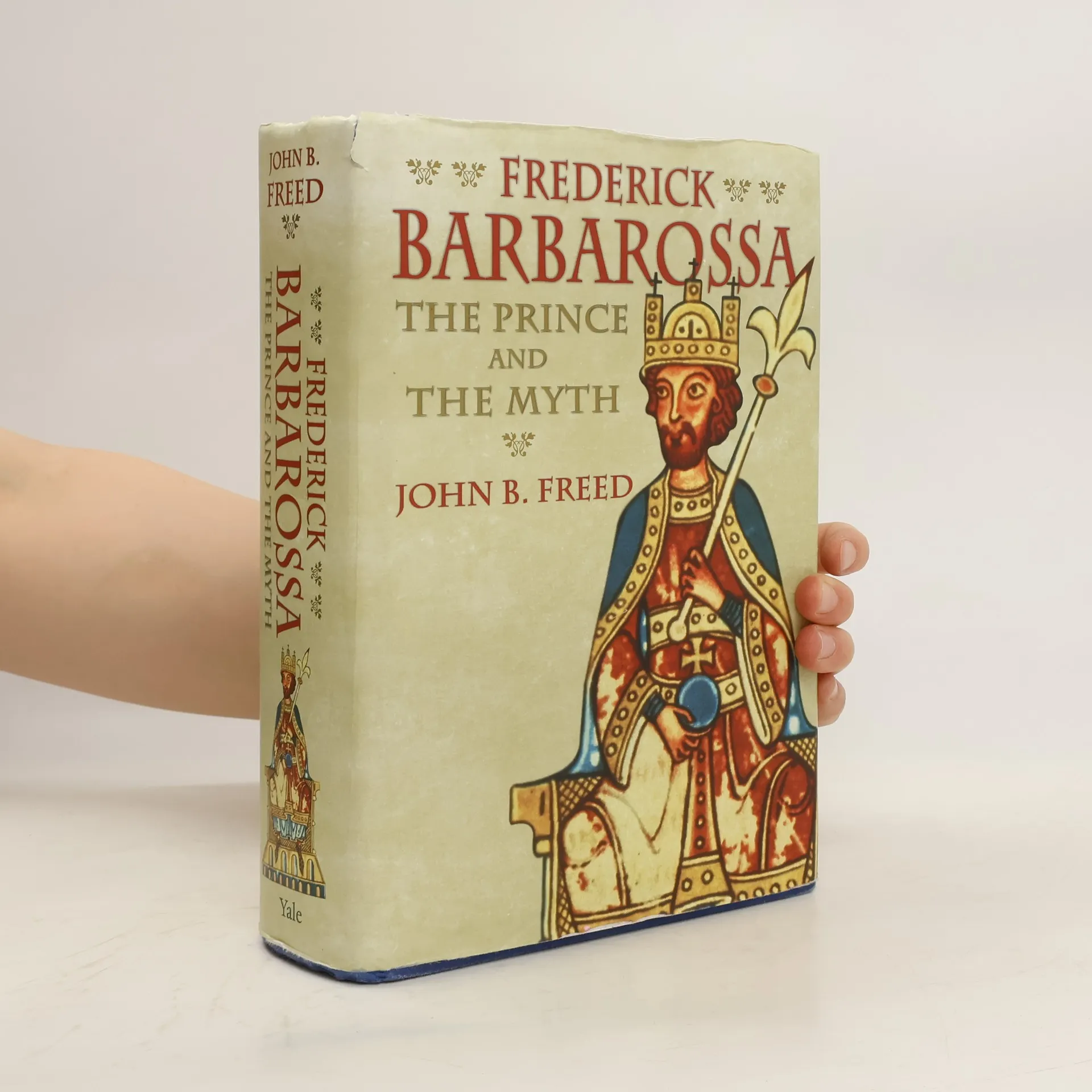
Frederick Barbarossa, born of two of Germany's most powerful families, swept to the imperial throne in a coup d'etat in 1152. A leading monarch of the Middle Ages, he legalized the dualism between the crown and the princes that endured until the end of the Holy Roman Empire. This new biography, the first in English in four decades, paints a rich picture of a consummate diplomat and effective warrior. John Freed mines Barbarossa's recently published charters and other sources to illuminate the monarch's remarkable ability to rule an empire that stretched from the Baltic to Rome, and from France to Poland. Offering a fresh assessment of the role of Barbarossa's extensive familial network in his success, the author also considers the impact of Frederick's death in the Third Crusade as the key to his lasting heroic reputation. In an intriguing epilogue, Freed explains how Hitler's audacious attack on the Soviet Union in 1941 came to be called Operation Barbarossa
Zakup książki
Frederick Barbarossa, John B. Freed
- Język

- Rok wydania
- 2016
- Oprawa
- (twarda)
Metody płatności
Brakuje nam tutaj Twojej recenzji.
- Tytuł
- Frederick Barbarossa
- Język
- angielski
- Autorzy
- John B. Freed
- Wydawca
- Yale University Press
- Rok wydania
- 2016
- Oprawa
- twarda
- Liczba stron
- 712
- ISBN10
- 0300122764
- ISBN13
- 9780300122763
- Seria
- Kategorie
- Tagi
- Ocena
- 4,45 z 5
- Opis
- Frederick Barbarossa, born of two of Germany's most powerful families, swept to the imperial throne in a coup d'etat in 1152. A leading monarch of the Middle Ages, he legalized the dualism between the crown and the princes that endured until the end of the Holy Roman Empire. This new biography, the first in English in four decades, paints a rich picture of a consummate diplomat and effective warrior. John Freed mines Barbarossa's recently published charters and other sources to illuminate the monarch's remarkable ability to rule an empire that stretched from the Baltic to Rome, and from France to Poland. Offering a fresh assessment of the role of Barbarossa's extensive familial network in his success, the author also considers the impact of Frederick's death in the Third Crusade as the key to his lasting heroic reputation. In an intriguing epilogue, Freed explains how Hitler's audacious attack on the Soviet Union in 1941 came to be called Operation Barbarossa