



Parametry
Więcej o książce
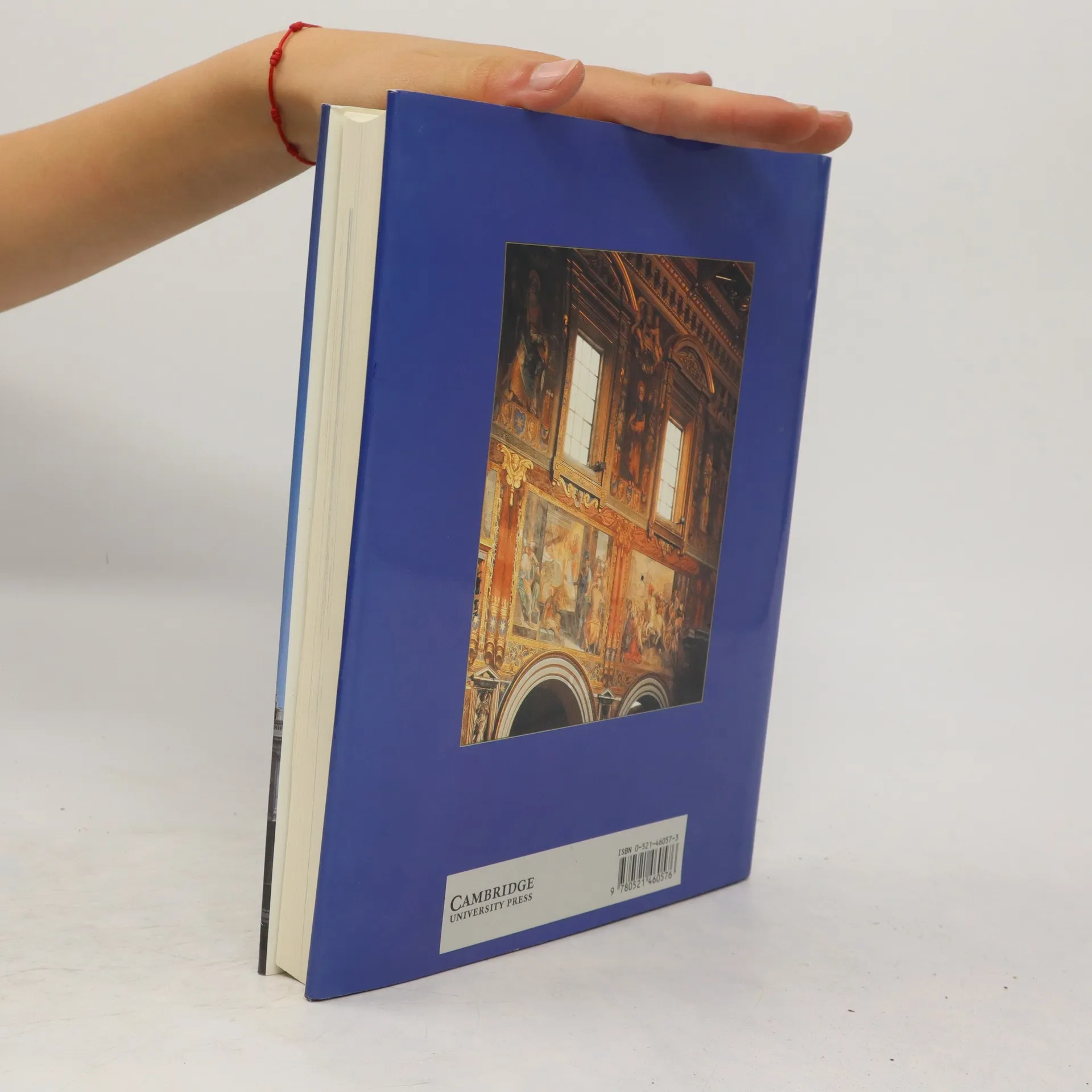
The Lateran in 1600: Christian Concord in Counter-Reformation Rome examines the physical and spiritual revival of the Pope's own church, the Cathedral of Rome, during the sixteenth century. Built by Constantine the Great, San Giovanni in Laterano was the undisputed centre of Christendom throughout the Middle Ages. During the Renaissance, however, Saint Peter's gradually absorbed the Lateran's prestige through the transfer of the official papal residence to the Vatican. At the height of the Counter-Reformation, when concern for the Church's Early Christian heritage was at its peak, Pope Clement VIII (1592–1605) turned his attention to restoring the Lateran as a symbol of the triumph of Christianity, and the result constituted a primary statement of the ideals of the Christian church at this critical moment. The emphasis on reconciliation and concord that defines the decoration both visually and iconographically parallels Clement VIII's achievement in leading the Christian nation to peace on the eve of the new century.
Zakup książki
The Lateran in 1600, Jack Freiberg
- Język

- Rok wydania
- 1995
- Oprawa
- (twarda)
Metody płatności
Nikt jeszcze nie ocenił.
- Tytuł
- The Lateran in 1600
- Język
- angielski
- Autorzy
- Jack Freiberg
- Wydawca
- Cambridge University Press
- Rok wydania
- 1995
- Oprawa
- twarda
- ISBN10
- 0521460573
- ISBN13
- 9780521460576
- Seria
- Kategorie
- Opis
- The Lateran in 1600: Christian Concord in Counter-Reformation Rome examines the physical and spiritual revival of the Pope's own church, the Cathedral of Rome, during the sixteenth century. Built by Constantine the Great, San Giovanni in Laterano was the undisputed centre of Christendom throughout the Middle Ages. During the Renaissance, however, Saint Peter's gradually absorbed the Lateran's prestige through the transfer of the official papal residence to the Vatican. At the height of the Counter-Reformation, when concern for the Church's Early Christian heritage was at its peak, Pope Clement VIII (1592–1605) turned his attention to restoring the Lateran as a symbol of the triumph of Christianity, and the result constituted a primary statement of the ideals of the Christian church at this critical moment. The emphasis on reconciliation and concord that defines the decoration both visually and iconographically parallels Clement VIII's achievement in leading the Christian nation to peace on the eve of the new century.