

Więcej o książce
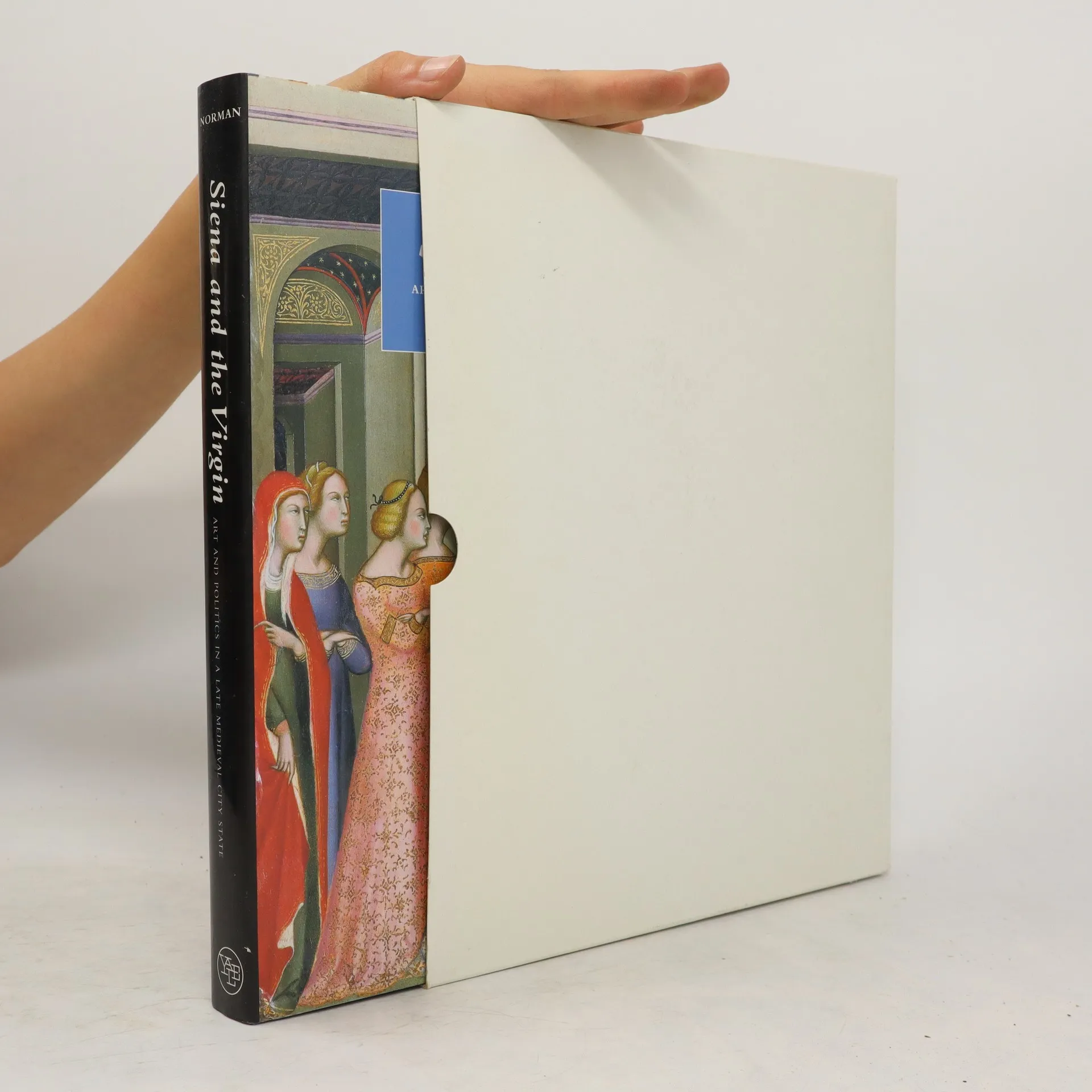
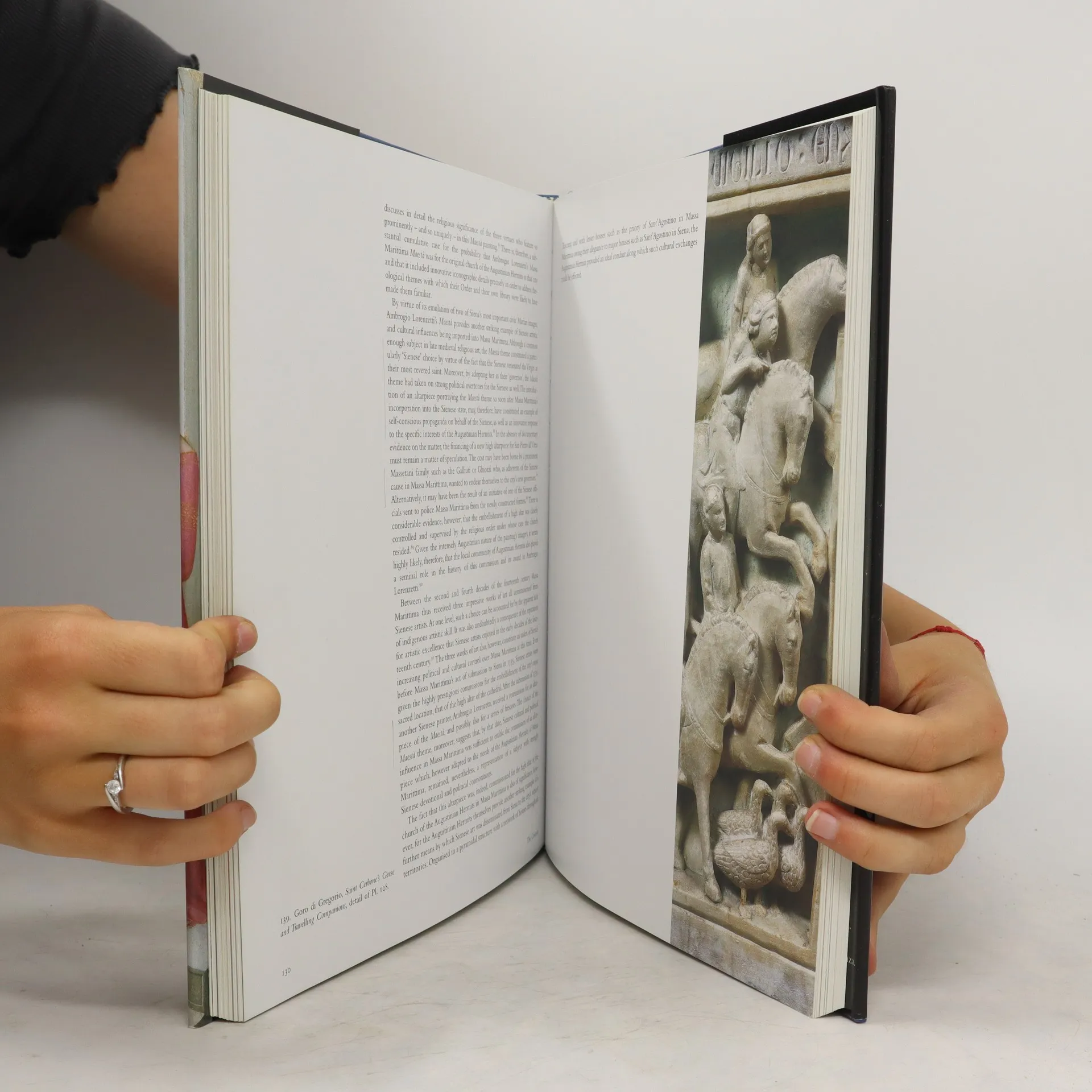
Celebrating the Virgin Mary as both an object of religious affection and a focus of civic pride, artists of fourteenth-century Siena established for their city a vibrant tradition that continued into the early decades of the next century. Such celebratory portraits of the Virgin were also common in Siena’s extensive subject territories, the contado. This richly illustrated book explores late medieval Sienese art―how it was created, commissioned, and understood by the citizens of Siena. Examining political, economic, and cultural relations between Siena and the contado, Diana Norman offers a new understanding of Marian art and its political function as an expression of civic ideology.Drawing on extensive unpublished archives, Norman reconstructs the circumstances surrounding the commission of Marian art in the three most prestigious locations of fourteenth-century the cathedral, the Palazzo Pubblico, and the hospital of Santa Maria della Scala. She analyzes similarly important commissions in the contado towns of Massa Marittima, Montalcino, and Montepulciano. Casting new light on such topics as the original site for the reliquary tomb of Saint Cerbone, patron saint of Massa Marittima, and the identity of the patrons of the Marian frescoes in the rural hermitage of San Leonardo al Lago, the author deepens our insight into the origins and meanings of Sienese art production of the late medieval period.
Zakup książki
Siena and the Virgin, Ariana Franklin
- Język

- Rok wydania
- 1999
- Oprawa
- (twarda)
Metody płatności
Brakuje nam tutaj Twojej recenzji.
- Tytuł
- Siena and the Virgin
- Język
- angielski
- Autorzy
- Ariana Franklin
- Wydawca
- Yale University Press
- Rok wydania
- 1999
- Oprawa
- twarda
- ISBN10
- 0300080069
- ISBN13
- 9780300080063
- Seria
- Tagi
- Sztuka, Historia sztuki
- Ocena
- 4,2 z 5
- Opis
- Celebrating the Virgin Mary as both an object of religious affection and a focus of civic pride, artists of fourteenth-century Siena established for their city a vibrant tradition that continued into the early decades of the next century. Such celebratory portraits of the Virgin were also common in Siena’s extensive subject territories, the contado. This richly illustrated book explores late medieval Sienese art―how it was created, commissioned, and understood by the citizens of Siena. Examining political, economic, and cultural relations between Siena and the contado, Diana Norman offers a new understanding of Marian art and its political function as an expression of civic ideology.Drawing on extensive unpublished archives, Norman reconstructs the circumstances surrounding the commission of Marian art in the three most prestigious locations of fourteenth-century the cathedral, the Palazzo Pubblico, and the hospital of Santa Maria della Scala. She analyzes similarly important commissions in the contado towns of Massa Marittima, Montalcino, and Montepulciano. Casting new light on such topics as the original site for the reliquary tomb of Saint Cerbone, patron saint of Massa Marittima, and the identity of the patrons of the Marian frescoes in the rural hermitage of San Leonardo al Lago, the author deepens our insight into the origins and meanings of Sienese art production of the late medieval period.