

Więcej o książce
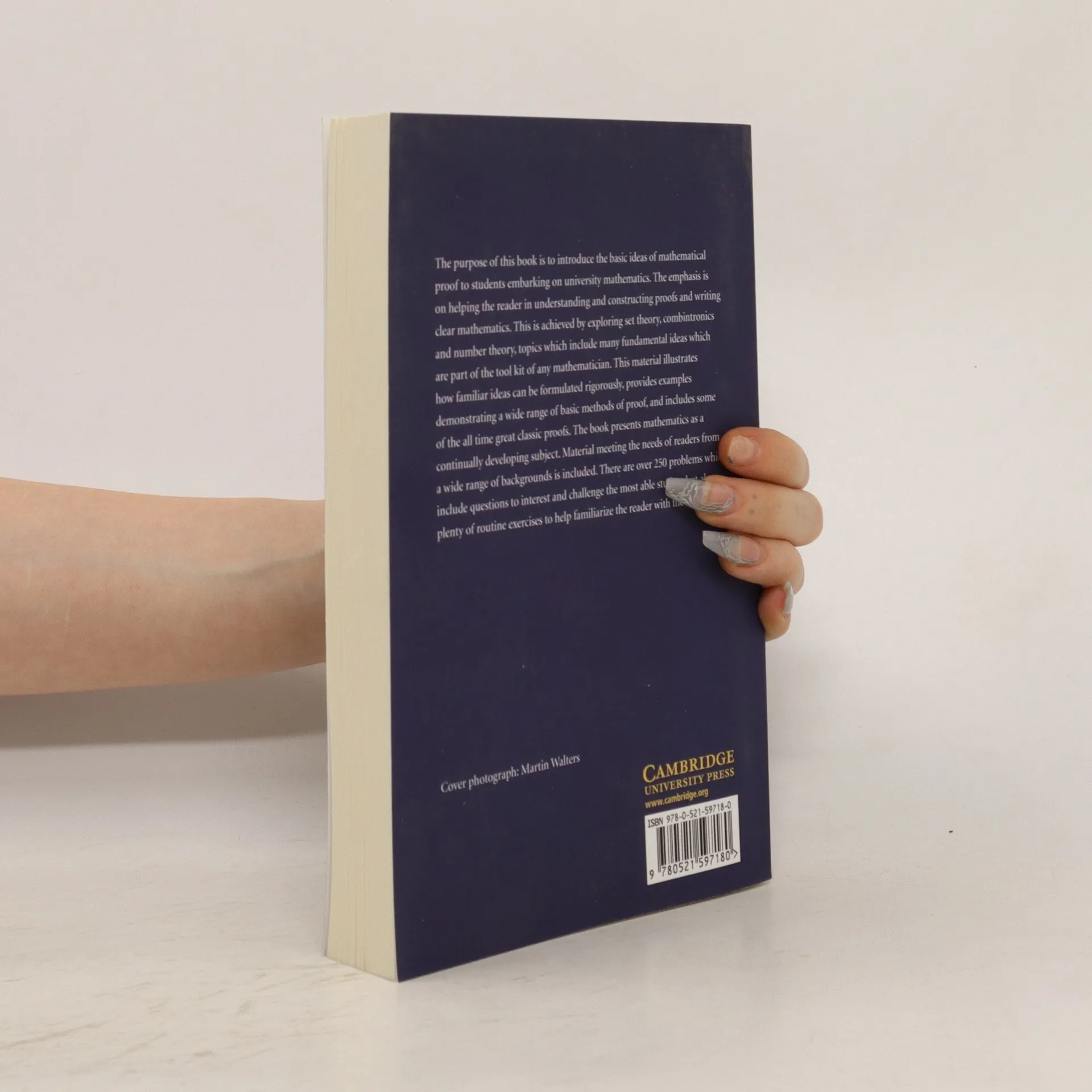
This book eases students into the rigors of university mathematics. The emphasis is on understanding and constructing proofs and writing clear mathematics. The author achieves this by exploring set theory, combinatorics, and number theory, topics that include many fundamental ideas and may not be a part of a young mathematician's toolkit. This material illustrates how familiar ideas can be formulated rigorously, provides examples demonstrating a wide range of basic methods of proof, and includes some of the all-time-great classic proofs. The book presents mathematics as a continually developing subject. Material meeting the needs of readers from a wide range of backgrounds is included. The over 250 problems include questions to interest and challenge the most able student but also plenty of routine exercises to help familiarize the reader with the basic ideas.
Zakup książki
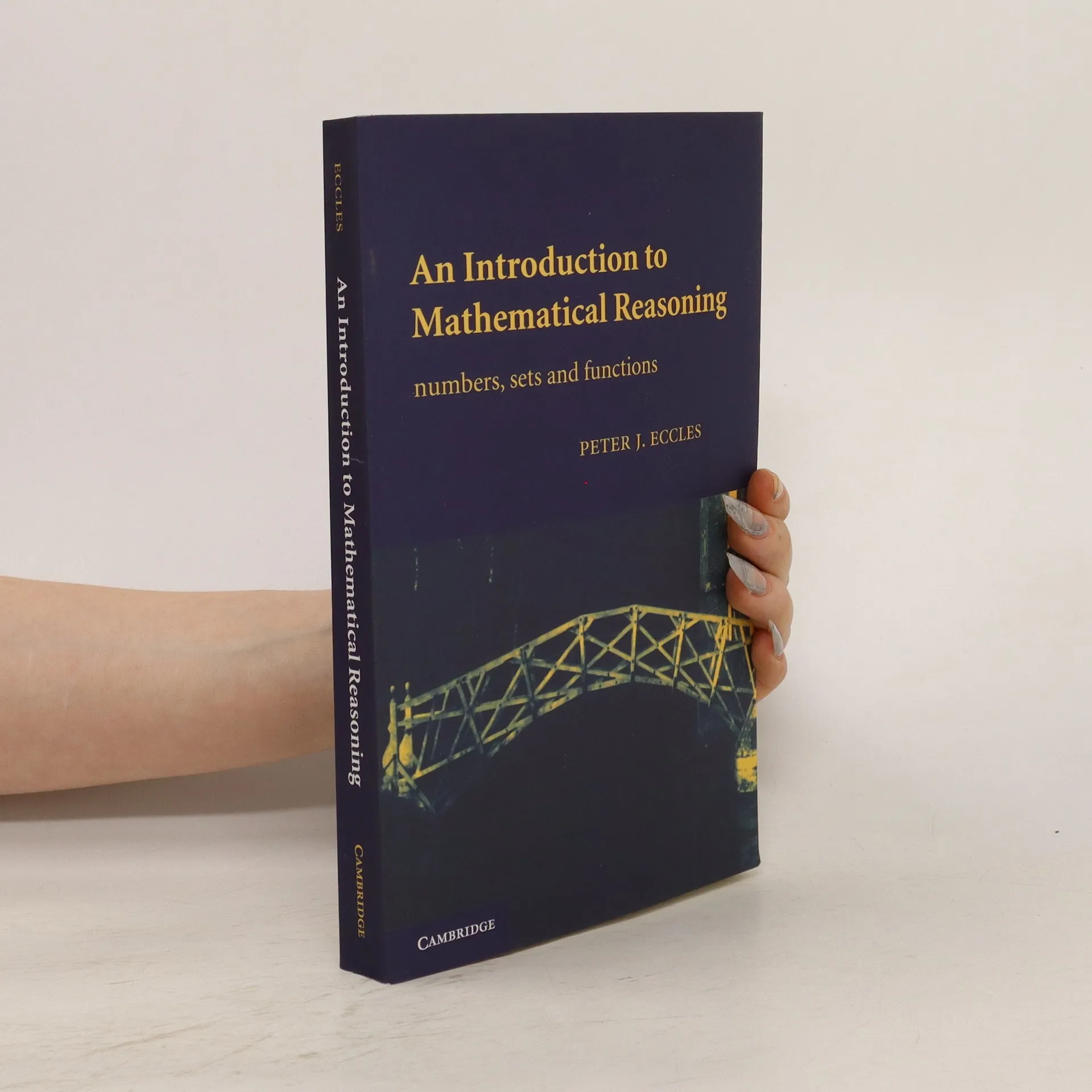
An Introduction to Mathematical Reasoning, Peter J. Eccles
- Język

- Rok wydania
- 1998
- Oprawa
- (miękka)
Metody płatności
Brakuje nam tutaj Twojej recenzji.
- Tytuł
- An Introduction to Mathematical Reasoning
- Język
- angielski
- Autorzy
- Peter J. Eccles
- Wydawca
- Cambridge University Press
- Rok wydania
- 1998
- Oprawa
- miękka
- Liczba stron
- 362
- ISBN10
- 0521597188
- ISBN13
- 9780521597180
- Seria
- Tagi
- Poradniki, Technologia
- Ocena
- 3,85 z 5
- Opis
- This book eases students into the rigors of university mathematics. The emphasis is on understanding and constructing proofs and writing clear mathematics. The author achieves this by exploring set theory, combinatorics, and number theory, topics that include many fundamental ideas and may not be a part of a young mathematician's toolkit. This material illustrates how familiar ideas can be formulated rigorously, provides examples demonstrating a wide range of basic methods of proof, and includes some of the all-time-great classic proofs. The book presents mathematics as a continually developing subject. Material meeting the needs of readers from a wide range of backgrounds is included. The over 250 problems include questions to interest and challenge the most able student but also plenty of routine exercises to help familiarize the reader with the basic ideas.