


Więcej o książce
Strongly focused on the therapist-client relationship, INTERPERSONAL PROCESS IN THERAPY: AN INTEGRATIVE MODEL integrates cognitive-behavioral, family systems, and psychodynamic theories. Newly revised and edited, this highly engaging and readable text features an increased emphasis on the integrative approach to counseling, in which the counselor brings together the interpersonal/relational elements from various theoretical approaches, and provides clear guidelines for using the therapeutic relationship to effect change. The author helps alleviate beginning therapists' concerns about making "mistakes", teaches therapists how to work with their own countertransference issues, and empowers new therapists to be themselves in their counseling relationships. Featuring new case examples and dialogues, updated references and research, clinical vignettes, and sample therapist-client dialogues, this contemporary text helps bring the reader "in the room" with the therapist, and illustrates the interpersonal process in a clinically authentic and compelling manner.
Zakup książki
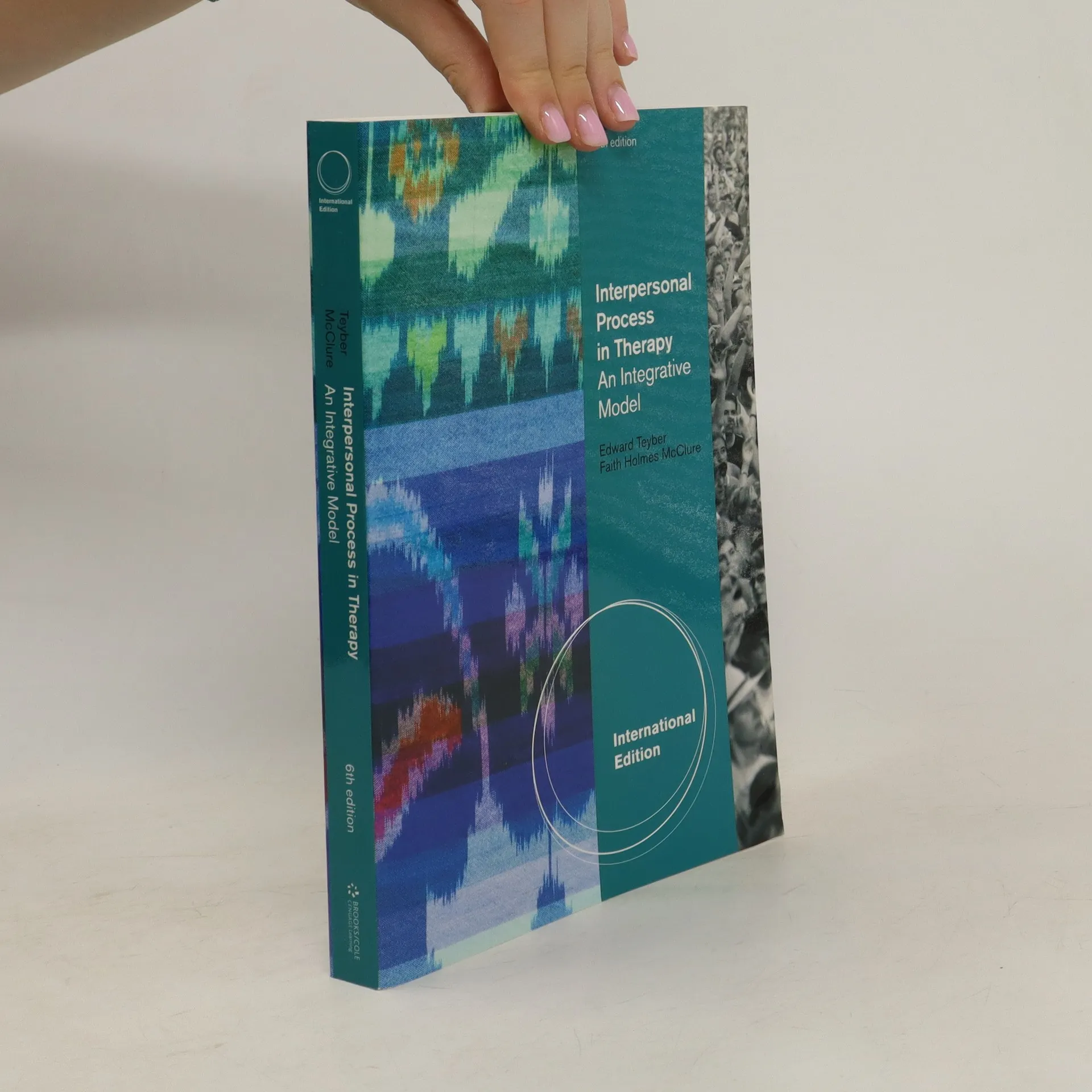
Interpersonal Process in Therapy, Edward Teyber, Faith Holmes McClure
- Język

- Rok wydania
- 2010
- Oprawa
- (miękka)
Metody płatności
Brakuje nam tutaj Twojej recenzji.
- Tytuł
- Interpersonal Process in Therapy
- Język
- angielski
- Autorzy
- Edward Teyber, Faith Holmes McClure
- Wydawca
- Wadsworth
- Rok wydania
- 2010
- Oprawa
- miękka
- Liczba stron
- 485
- ISBN10
- 0495804207
- ISBN13
- 9780495804208
- Seria
- Ocena
- 4 z 5
- Opis
- Strongly focused on the therapist-client relationship, INTERPERSONAL PROCESS IN THERAPY: AN INTEGRATIVE MODEL integrates cognitive-behavioral, family systems, and psychodynamic theories. Newly revised and edited, this highly engaging and readable text features an increased emphasis on the integrative approach to counseling, in which the counselor brings together the interpersonal/relational elements from various theoretical approaches, and provides clear guidelines for using the therapeutic relationship to effect change. The author helps alleviate beginning therapists' concerns about making "mistakes", teaches therapists how to work with their own countertransference issues, and empowers new therapists to be themselves in their counseling relationships. Featuring new case examples and dialogues, updated references and research, clinical vignettes, and sample therapist-client dialogues, this contemporary text helps bring the reader "in the room" with the therapist, and illustrates the interpersonal process in a clinically authentic and compelling manner.