

Więcej o książce
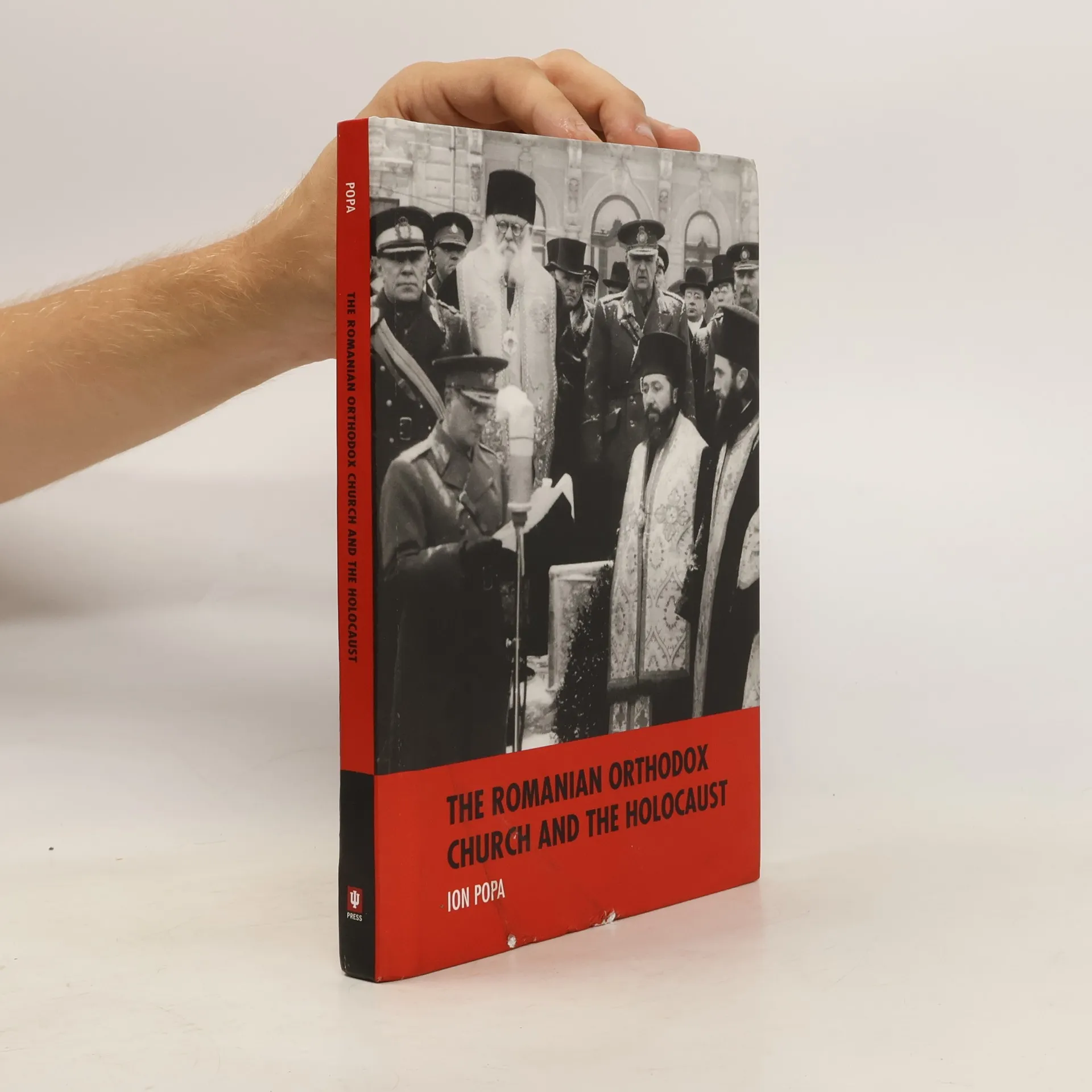
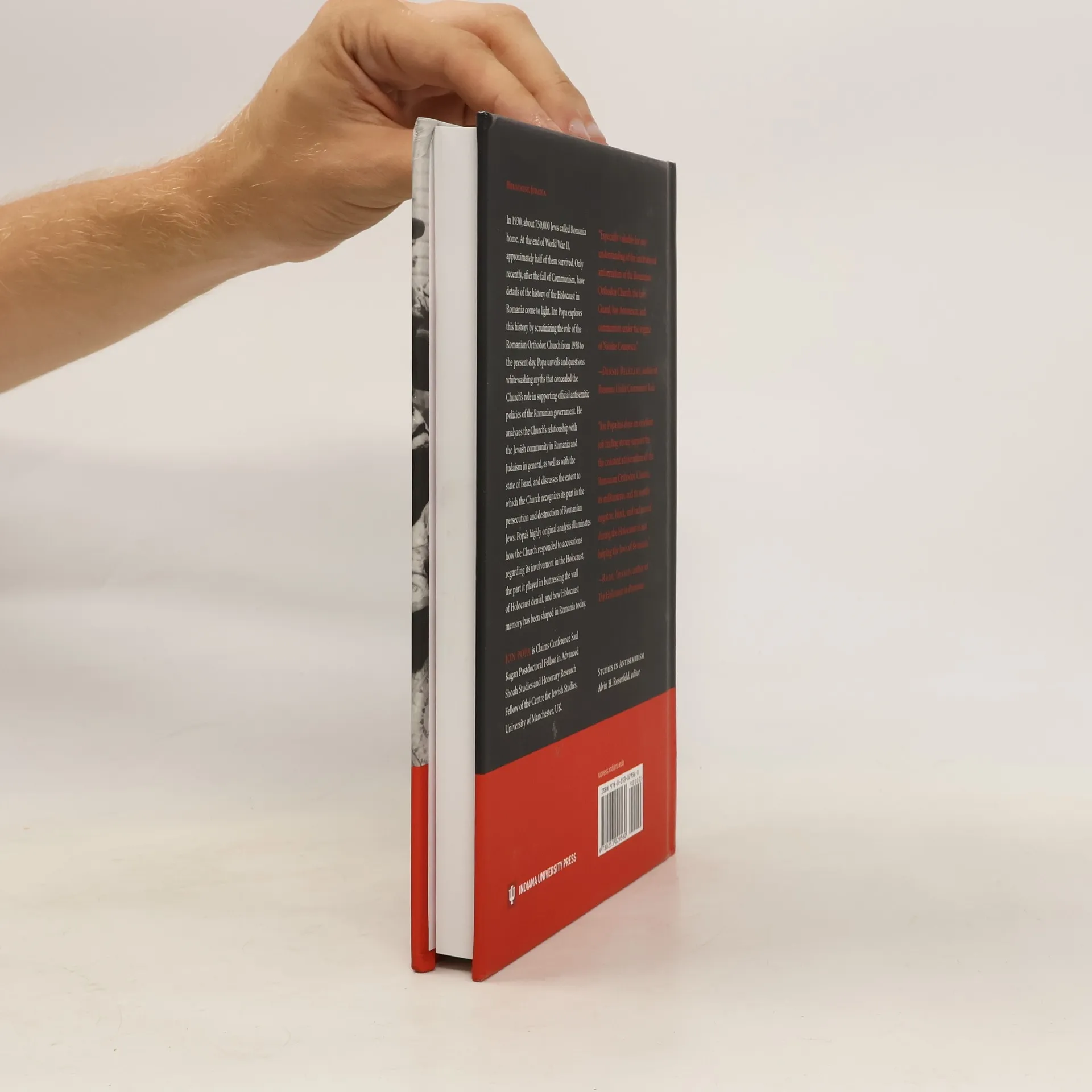
"In 1930, about 750,000 Jews called Romania home. At the end of World War II, approximately half of them survived. Only recently, after the fall of Communism, have details of the history of the Holocaust in Romania come to light. Ion Popa explores this history by scrutinizing the role of the Romanian Orthodox Church from 1938 to the present day. Popa unveils and questions whitewashing myths that concealed the Church's role in supporting official antisemitic policies of the Romanian government. He analyzes the Church's relationship with the Jewish community in Romania and Judaism in general, as well as with the state of Israel, and discusses the extent to which the Church recognizes its part in the persecution and destruction of Romanian Jews. Popa's highly original analysis illuminates how the Church responded to accusations regarding its involvement in the Holocaust, the part it played in buttressing the wall of Holocaust denial, and how Holocaust memory has been shaped in Romania today"--back cover.
Zakup książki
The Romanian Orthodox Church and the Holocaust, Popa Victor Ion
- Język

- Rok wydania
- 2017
- Oprawa
- (twarda)
Metody płatności
Brakuje nam tutaj Twojej recenzji.
- Tytuł
- The Romanian Orthodox Church and the Holocaust
- Język
- angielski
- Autorzy
- Popa Victor Ion
- Wydawca
- Indiana University Press
- Rok wydania
- 2017
- Oprawa
- twarda
- Liczba stron
- 256
- ISBN10
- 0253029562
- ISBN13
- 9780253029560
- Seria
- Ocena
- 3,85 z 5
- Opis
- "In 1930, about 750,000 Jews called Romania home. At the end of World War II, approximately half of them survived. Only recently, after the fall of Communism, have details of the history of the Holocaust in Romania come to light. Ion Popa explores this history by scrutinizing the role of the Romanian Orthodox Church from 1938 to the present day. Popa unveils and questions whitewashing myths that concealed the Church's role in supporting official antisemitic policies of the Romanian government. He analyzes the Church's relationship with the Jewish community in Romania and Judaism in general, as well as with the state of Israel, and discusses the extent to which the Church recognizes its part in the persecution and destruction of Romanian Jews. Popa's highly original analysis illuminates how the Church responded to accusations regarding its involvement in the Holocaust, the part it played in buttressing the wall of Holocaust denial, and how Holocaust memory has been shaped in Romania today"--back cover.