

Więcej o książce
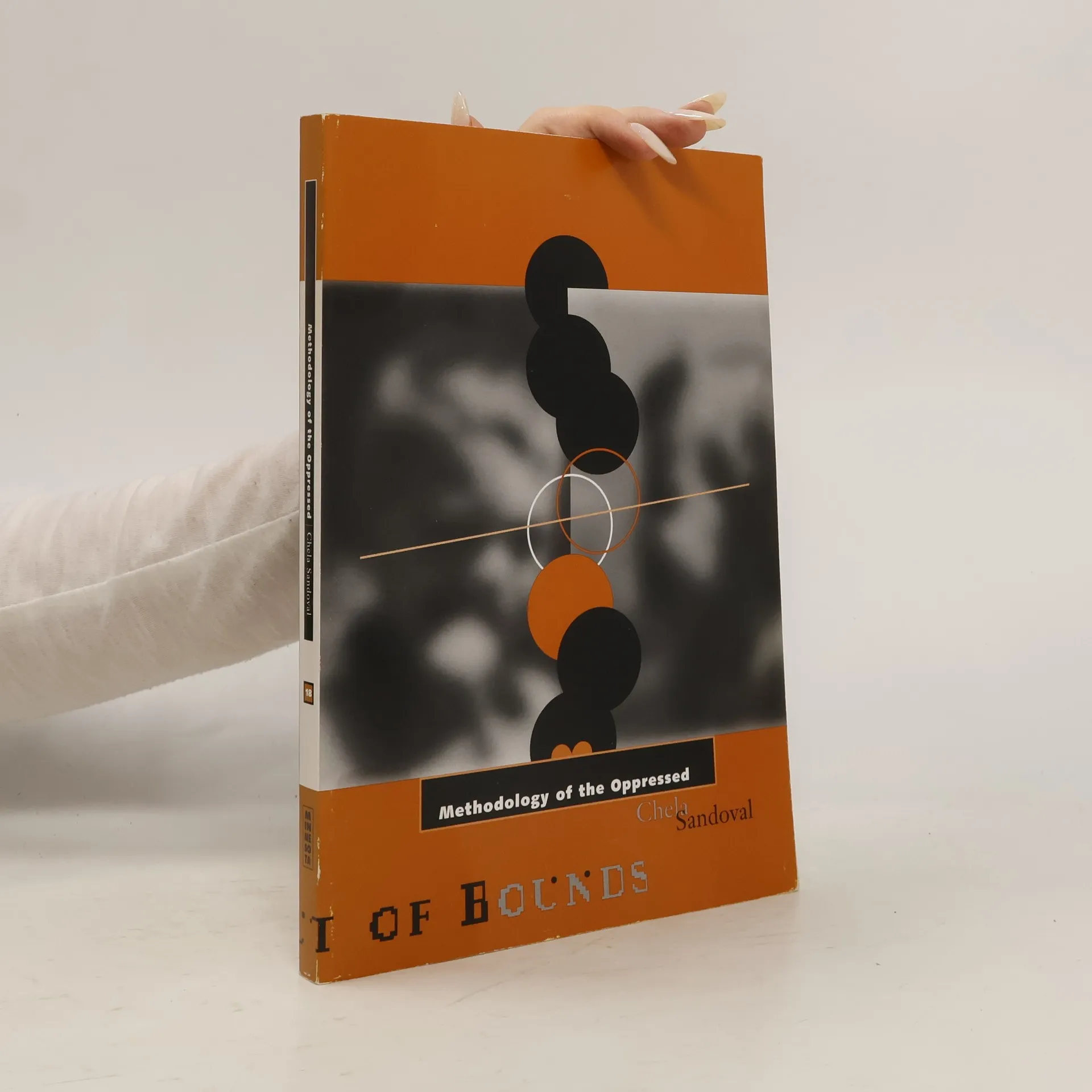
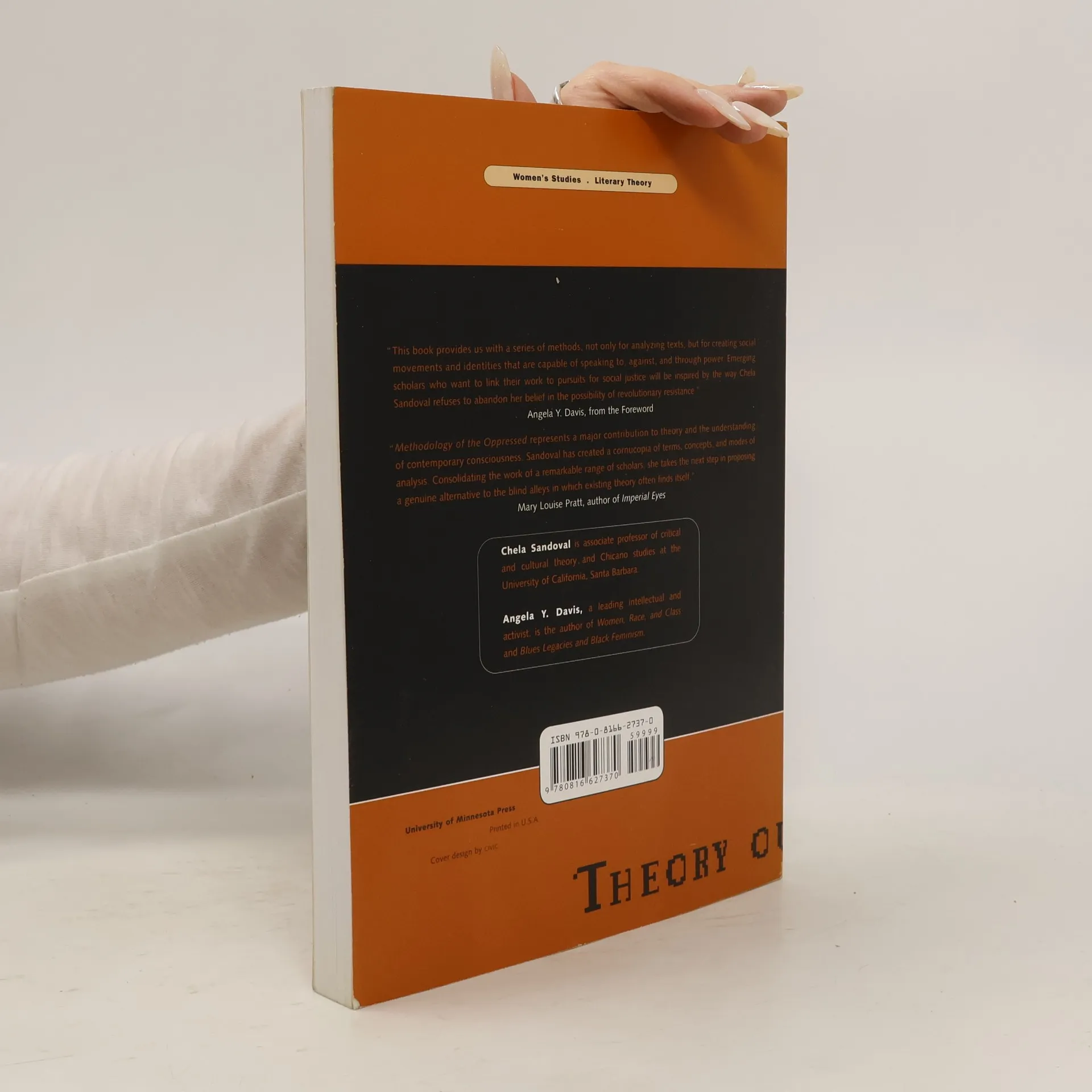
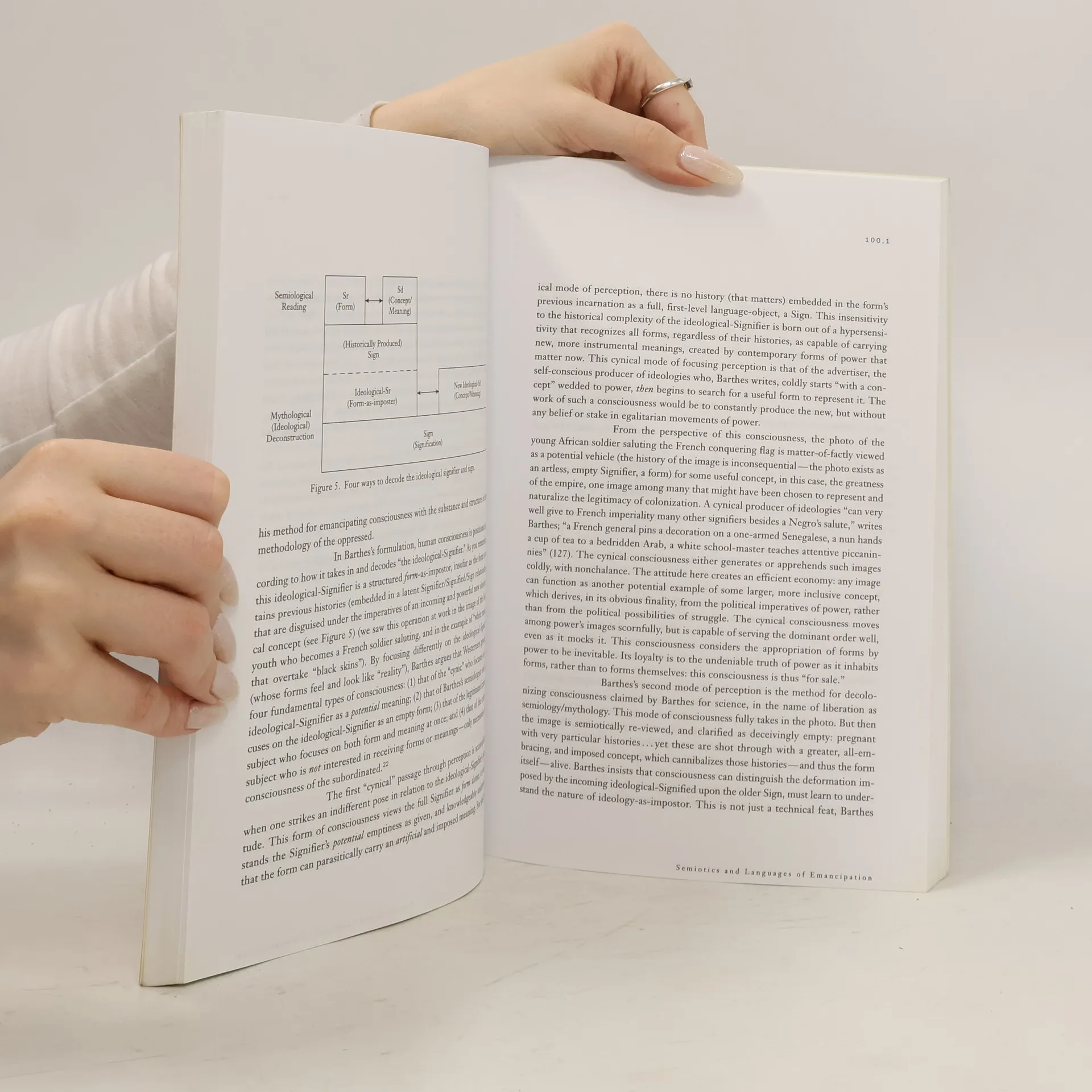
A new approach to feminist thought that challenges current critical theories. In a work with far-reaching implications, Chela Sandoval does no less than revise the genealogy of theory over the past thirty years, inserting what she terms "U.S. Third World feminism" into the narrative in a way that thoroughly alters our perspective on contemporary culture and subjectivity. What Sandoval has identified is a language, a rhetoric of resistance to postmodern cultural conditions. U.S. liberation movements of the post-World War II era generated specific modes of oppositional consciousness. Out of these emerged a new activity of consciousness and language Sandoval calls the "methodology of the oppressed." This methodology—born of the strains of the cultural and identity struggles that currently mark global exchange—holds out the possibility of a new historical moment, a new citizen-subject, and a new form of alliance consciousness and politics. Utilizing semiotics and U.S. Third World feminist criticism, Sandoval demonstrates how this methodology mobilizes love as a category of critical analysis. Rendering this approach in all its specifics, Methodology of the Oppressed gives rise to an alternative mode of criticism opening new perspectives on any theoretical, literary, aesthetic, social movement, or psychic expression.
Zakup książki
Methodology of the Oppressed, Chela Sandoval
- Język

- Rok wydania
- 2000
- Oprawa
- (miękka)
Metody płatności
Brakuje nam tutaj Twojej recenzji.
- Tytuł
- Methodology of the Oppressed
- Język
- angielski
- Autorzy
- Chela Sandoval
- Rok wydania
- 2000
- Oprawa
- miękka
- ISBN10
- 0816627371
- ISBN13
- 9780816627370
- Seria
- Ocena
- 4,15 z 5
- Opis
- A new approach to feminist thought that challenges current critical theories. In a work with far-reaching implications, Chela Sandoval does no less than revise the genealogy of theory over the past thirty years, inserting what she terms "U.S. Third World feminism" into the narrative in a way that thoroughly alters our perspective on contemporary culture and subjectivity. What Sandoval has identified is a language, a rhetoric of resistance to postmodern cultural conditions. U.S. liberation movements of the post-World War II era generated specific modes of oppositional consciousness. Out of these emerged a new activity of consciousness and language Sandoval calls the "methodology of the oppressed." This methodology—born of the strains of the cultural and identity struggles that currently mark global exchange—holds out the possibility of a new historical moment, a new citizen-subject, and a new form of alliance consciousness and politics. Utilizing semiotics and U.S. Third World feminist criticism, Sandoval demonstrates how this methodology mobilizes love as a category of critical analysis. Rendering this approach in all its specifics, Methodology of the Oppressed gives rise to an alternative mode of criticism opening new perspectives on any theoretical, literary, aesthetic, social movement, or psychic expression.