


Więcej o książce
The first half explores various theories and theorists, including value-free sociology, Husserl's philosophy, and cultural anthropology. It examines whether Spengler's predictions will hold true and features discussions on prominent figures like Max Horkheimer, Walter Benjamin, and Ernst Bloch, along with reflections on their contributions and legacies. The text addresses philosophical questions posed by figures such as Oswald Spengler, Herbert Marcuse, and Nicolai Hartmann, while also engaging with contemporary issues like public opinion, family dynamics, and the role of technology and humanism in society. The second half focuses on aesthetics, critiquing the impact of National Socialism on the arts and re-evaluating cultural figures like Heine. It includes tributes to influential individuals such as Thomas Mann and Gershom G. Scholem, while also reflecting on the significance of art and language in a managed world. The miscellaneous section features personal notes, memories, and philosophical musings, capturing a range of thoughts and experiences. The text serves as a rich tapestry of intellectual discourse, reflecting on the intersections of philosophy, culture, and society.
Zakup książki
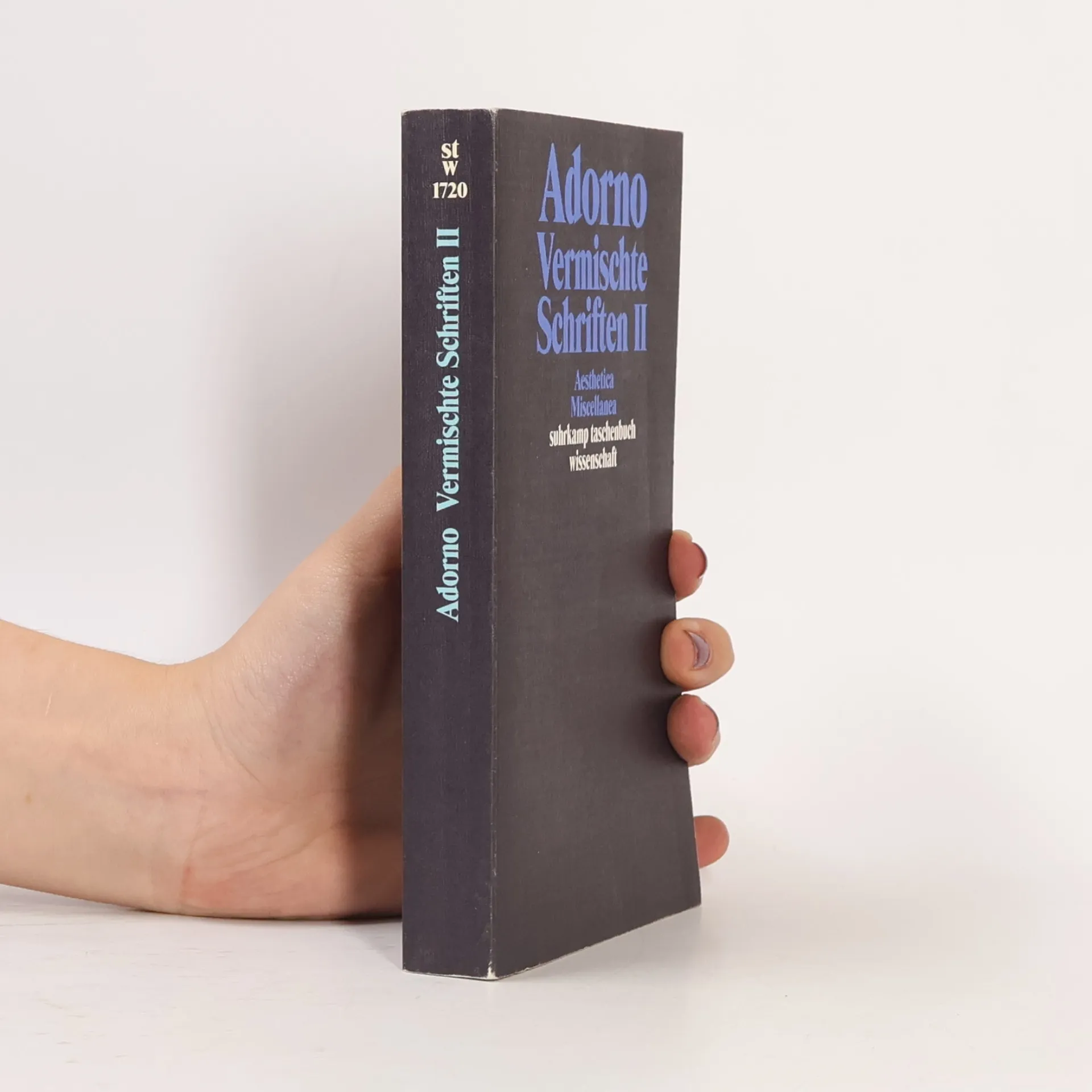
Vermischte Schriften, 2 Tle., Theodor W. Adorno
- Język

- Rok wydania
- 2003
- Oprawa
- (miękka),
- Stan książki
- Dobry
- Cena
- 53,46 zł
Metody płatności
Nikt jeszcze nie ocenił.
- Tytuł
- Vermischte Schriften, 2 Tle.
- Język
- niemiecki
- Autorzy
- Theodor W. Adorno
- Wydawca
- Suhrkamp
- Rok wydania
- 2003
- Oprawa
- miękka
- Liczba stron
- 877
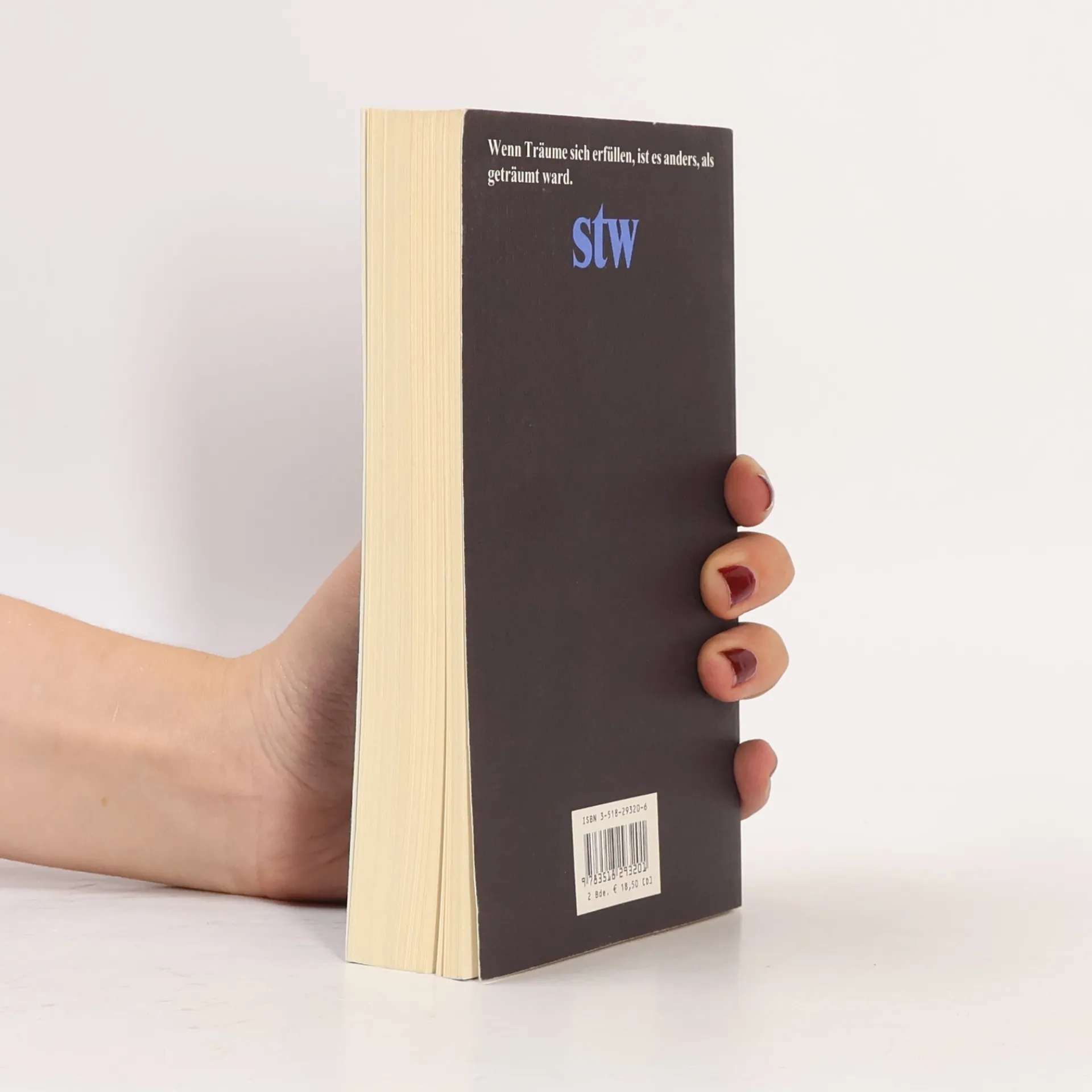
- ISBN10
- 3518293206
- ISBN13
- 9783518293201
- Seria
- Tagi
- Opis
- The first half explores various theories and theorists, including value-free sociology, Husserl's philosophy, and cultural anthropology. It examines whether Spengler's predictions will hold true and features discussions on prominent figures like Max Horkheimer, Walter Benjamin, and Ernst Bloch, along with reflections on their contributions and legacies. The text addresses philosophical questions posed by figures such as Oswald Spengler, Herbert Marcuse, and Nicolai Hartmann, while also engaging with contemporary issues like public opinion, family dynamics, and the role of technology and humanism in society. The second half focuses on aesthetics, critiquing the impact of National Socialism on the arts and re-evaluating cultural figures like Heine. It includes tributes to influential individuals such as Thomas Mann and Gershom G. Scholem, while also reflecting on the significance of art and language in a managed world. The miscellaneous section features personal notes, memories, and philosophical musings, capturing a range of thoughts and experiences. The text serves as a rich tapestry of intellectual discourse, reflecting on the intersections of philosophy, culture, and society.