



Więcej o książce
Eighteenth-century economist Adam Smith propagated profit maximization as the incentive for businesses to create goods and services that society needs. He argued that free-market competition would ensure consumers get the best quality product at the cheapest price. Two hundered years later, Milton Friedman agreed in his seminal 1970 New York Times op-ed that the sole responsibility of business is to maximize profits 'so long as it stays within the rules of the game'. Incentives coupled with some regulations were to henceforth safeguard societal interests. Instead, incentives created bad behaviour. Regulations were routinely bypassed with intelligent loopholes. Despite this--to encourage sustainability today--we are again using incentives and regulations. That's predominantly what the ESG framework focuses on. And what do we see? Rampant greenwashing and box-ticking. To address today's existential challenges, we need innovation of the highest order. Innovation can neither be legislated nor driven by extrinsic incentives alone.
Zakup książki
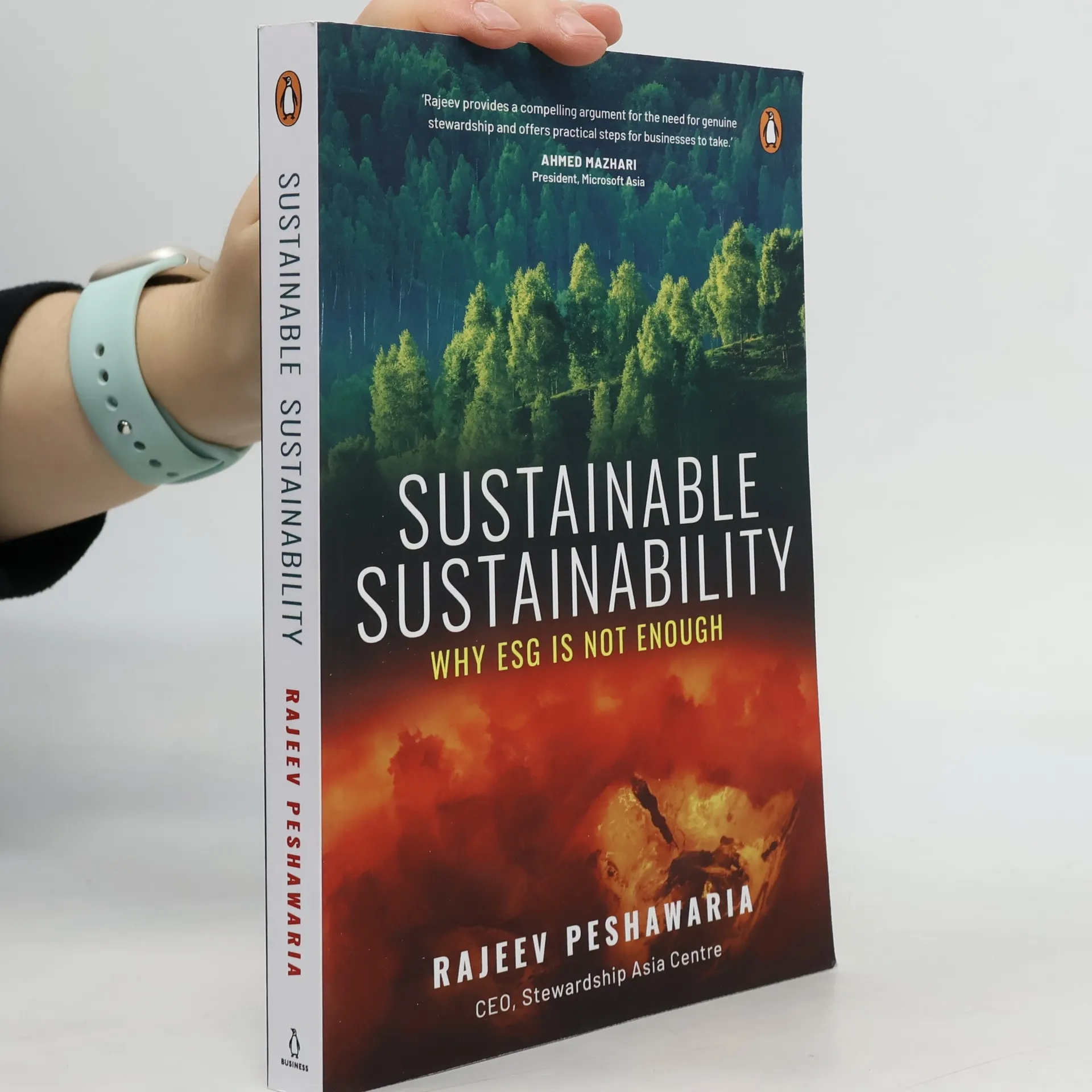
Sustainable Sustainability, Rajeev Peshawaria
- Język

- Rok wydania
- 2024
- Oprawa
- (miękka)
Metody płatności
Brakuje nam tutaj Twojej recenzji.
- Tytuł
- Sustainable Sustainability
- Język
- angielski
- Autorzy
- Rajeev Peshawaria
- Wydawca
- Penguin Random House SEA
- Rok wydania
- 2024
- Oprawa
- miękka
- Liczba stron
- 322
- ISBN10
- 981514457X
- ISBN13
- 9789815144574
- Seria
- Ocena
- 4,35 z 5
- Opis
- Eighteenth-century economist Adam Smith propagated profit maximization as the incentive for businesses to create goods and services that society needs. He argued that free-market competition would ensure consumers get the best quality product at the cheapest price. Two hundered years later, Milton Friedman agreed in his seminal 1970 New York Times op-ed that the sole responsibility of business is to maximize profits 'so long as it stays within the rules of the game'. Incentives coupled with some regulations were to henceforth safeguard societal interests. Instead, incentives created bad behaviour. Regulations were routinely bypassed with intelligent loopholes. Despite this--to encourage sustainability today--we are again using incentives and regulations. That's predominantly what the ESG framework focuses on. And what do we see? Rampant greenwashing and box-ticking. To address today's existential challenges, we need innovation of the highest order. Innovation can neither be legislated nor driven by extrinsic incentives alone.