

Parametry
Więcej o książce
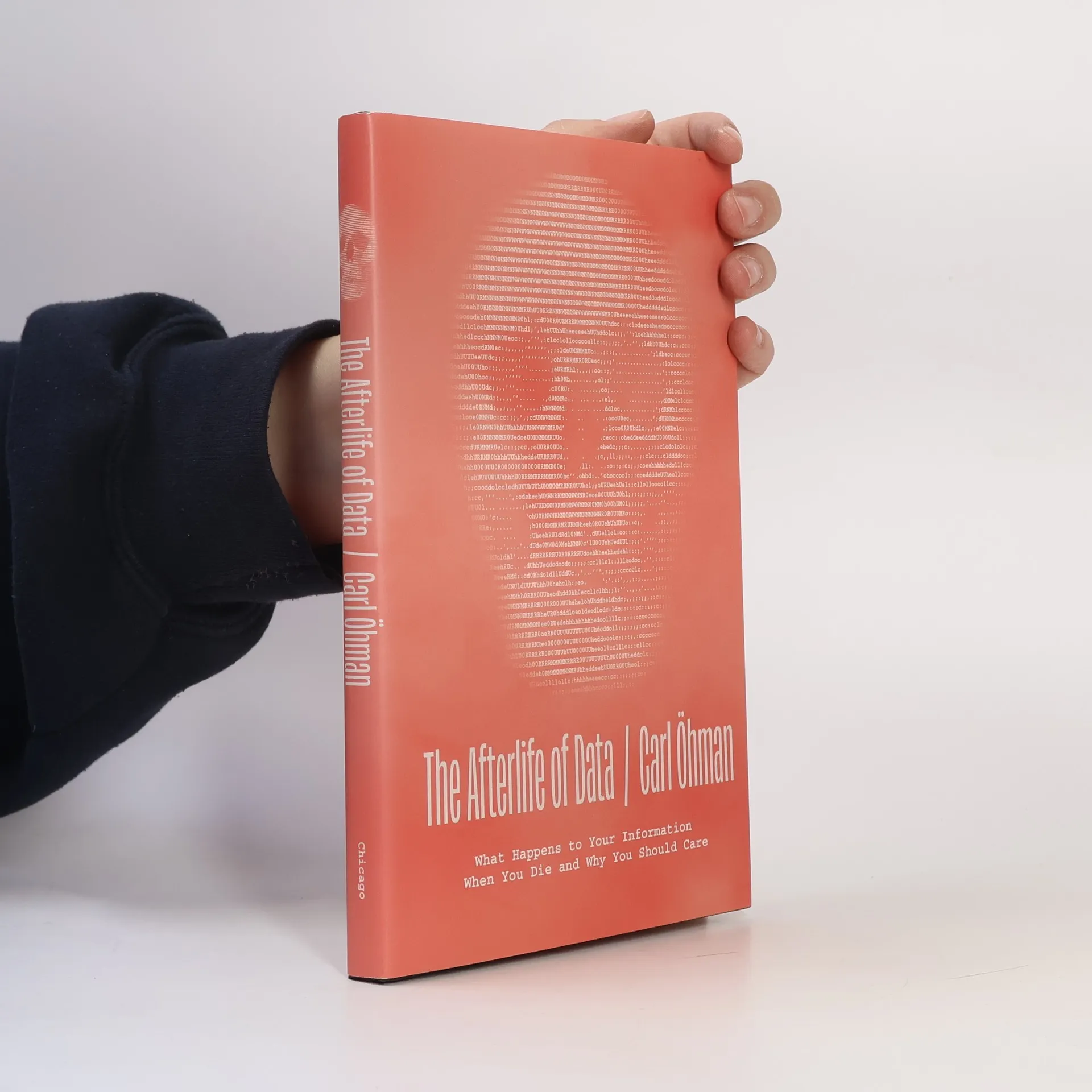
"In recent years, more and more of our lives takes place online. But what about our afterlives? Thanks to the digital trails of data we leave behind, much of "who we are" can be reconstructed-even after our death. Sooner than we think, the dead will outnumber the living on Facebook, and in time, AI technology will allow us to "interact" with the departed. In this short, thought-provoking book, Carl Öhman asks us to consider what happens to our data after we pass away. How do we decide what data should be preserved? What sorts of ethical issues does it raise? We live in what Öhman calls the post-mortal condition, one in which the dead and the living coexist online through digital remains. Examining government digital heritage committees, public archives, NGOs, museums, and commercial institutions, Öhman analyzes various forms of data preservation and digital reanimation, ultimately calling for us, as a society, to acknowledge and to engage creatively with our condition. He calls for us to reevaluate the relationship between the living and the dead, and to work together to create a shared ethics of preservation. This isn't just the duty of our digital overlords. These are our lives, our deaths, and it is time we think seriously about how we want our data to be treated"--
Zakup książki
The Afterlife of Data, Carl Ohman
- Język

- Rok wydania
- 2024
- Oprawa
- (twarda)
Metody płatności
Brakuje nam tutaj Twojej recenzji.
- Tytuł
- The Afterlife of Data
- Język
- angielski
- Autorzy
- Carl Ohman
- Rok wydania
- 2024
- Oprawa
- twarda
- ISBN10
- 0226828220
- ISBN13
- 9780226828220
- Seria
- Tagi
- Podróże
- Ocena
- 3,8 z 5
- Opis
- "In recent years, more and more of our lives takes place online. But what about our afterlives? Thanks to the digital trails of data we leave behind, much of "who we are" can be reconstructed-even after our death. Sooner than we think, the dead will outnumber the living on Facebook, and in time, AI technology will allow us to "interact" with the departed. In this short, thought-provoking book, Carl Öhman asks us to consider what happens to our data after we pass away. How do we decide what data should be preserved? What sorts of ethical issues does it raise? We live in what Öhman calls the post-mortal condition, one in which the dead and the living coexist online through digital remains. Examining government digital heritage committees, public archives, NGOs, museums, and commercial institutions, Öhman analyzes various forms of data preservation and digital reanimation, ultimately calling for us, as a society, to acknowledge and to engage creatively with our condition. He calls for us to reevaluate the relationship between the living and the dead, and to work together to create a shared ethics of preservation. This isn't just the duty of our digital overlords. These are our lives, our deaths, and it is time we think seriously about how we want our data to be treated"--