


Więcej o książce
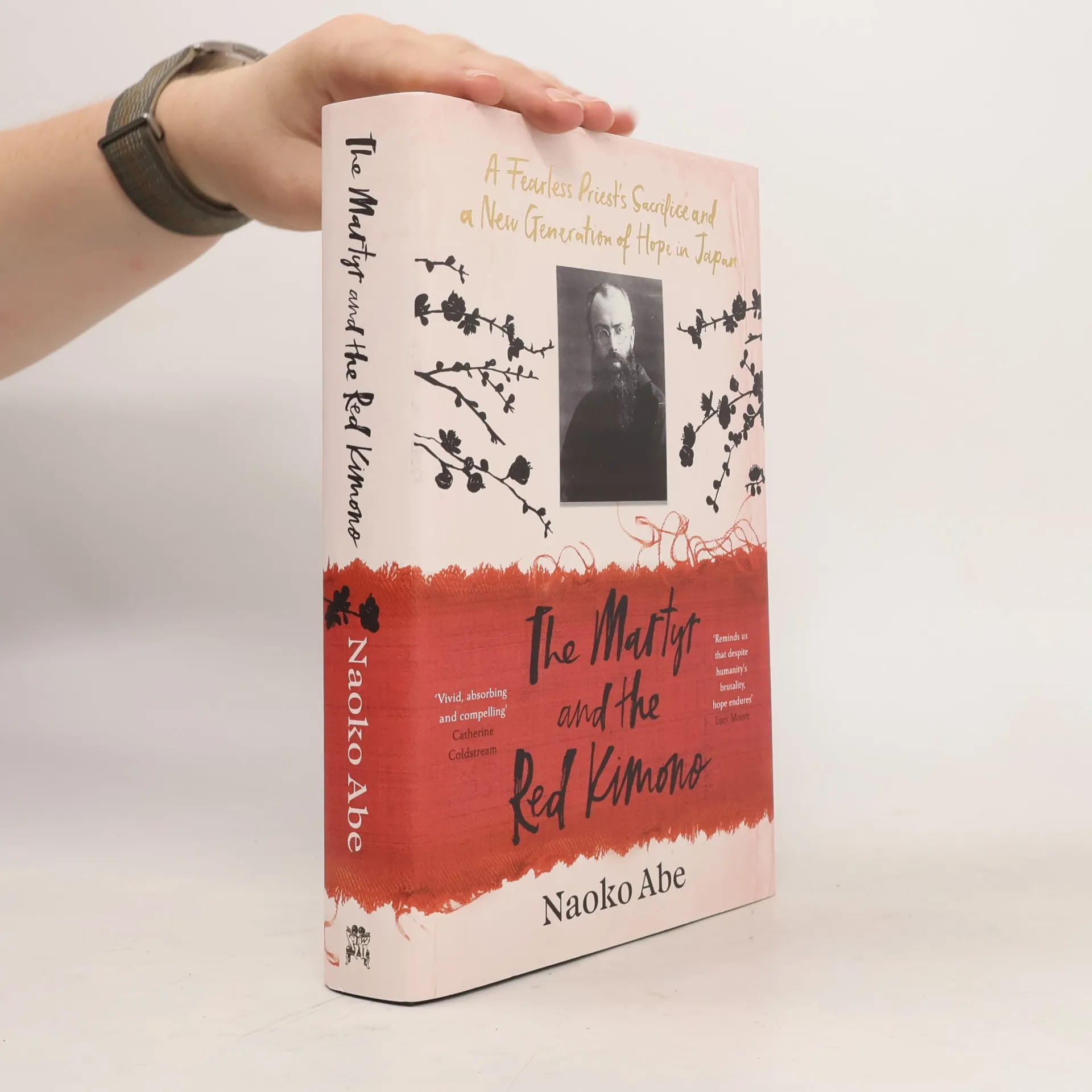
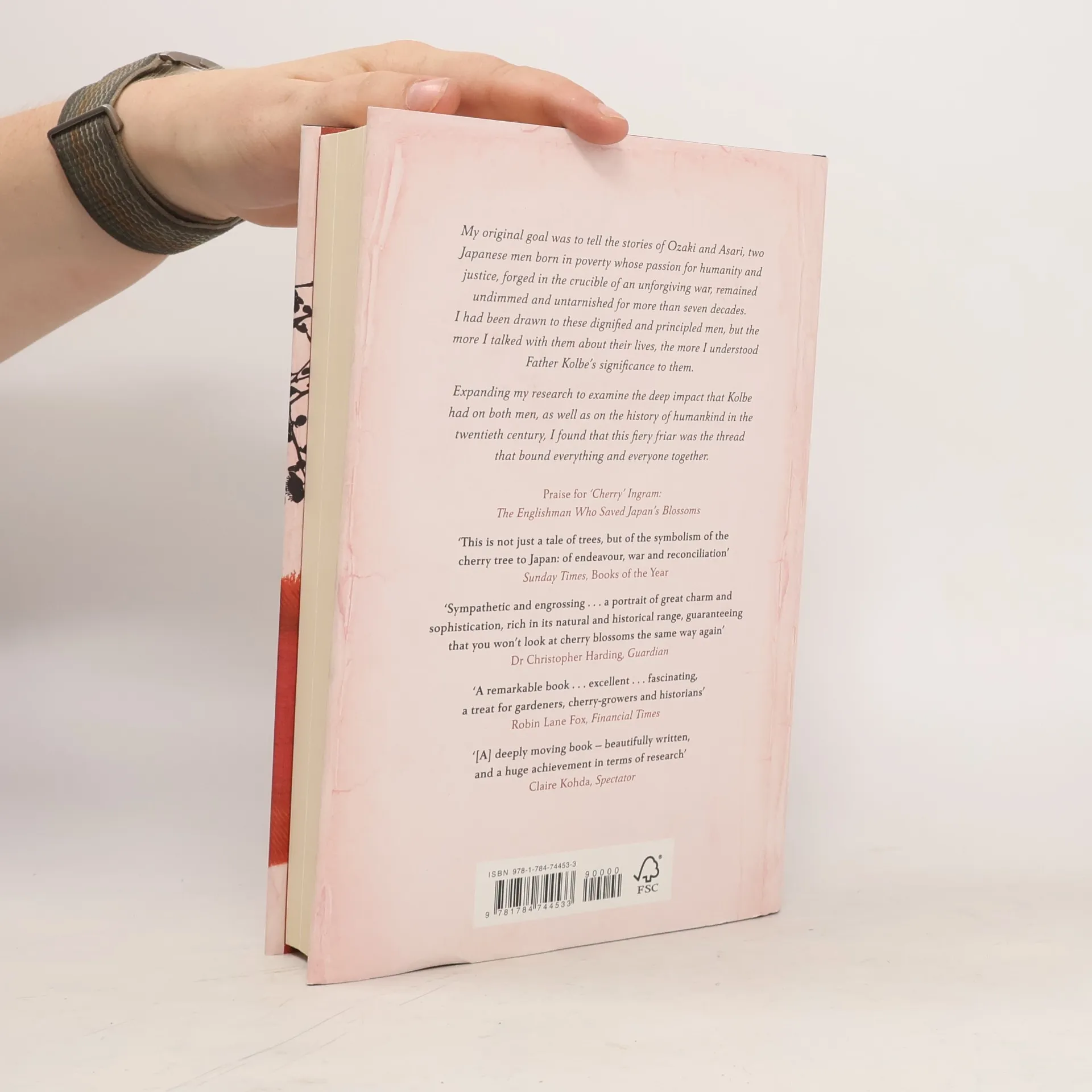
On the 14th of August 1941, a Polish monk named Maximilian Maria Kolbe was murdered in Auschwitz. Kolbe's life had been remarkable. Fiercely intelligent and driven, he founded a movement of Catholicism and spent several years in Nagasaki, ministering to the 'hidden Christians' who had emerged after centuries of oppression. A Polish nationalist as well as a monk, he gave sanctuary to fleeing refugees and ran Poland's largest publishing operation, drawing the wrath of the Nazis. His death was no less remarkable: he volunteered to die, saving the life of a fellow prisoner. It was an act that profoundly transformed the lives of two Japanese men. Tomei Ozaki was just seventeen when the US dropped an atomic bomb on Nagasaki, destroying his home and his family. Masatoshi Asari worked on a farm in Hokkaido during the war and was haunted by the inhumane treatment of prisoners in a nearby camp.
Zakup książki
The Martyr and the Red Kimono, NAOKO ABE
- Język

- Rok wydania
- 2024
- Oprawa
- (twarda)
Metody płatności
Brakuje nam tutaj Twojej recenzji.
- Tytuł
- The Martyr and the Red Kimono
- Język
- angielski
- Autorzy
- NAOKO ABE
- Wydawca
- Random House UK Ltd
- Rok wydania
- 2024
- Oprawa
- twarda
- Liczba stron
- 436
- ISBN10
- 1784744530
- ISBN13
- 9781784744533
- Seria
- Tagi
- Ocena
- 4,15 z 5
- Opis
- On the 14th of August 1941, a Polish monk named Maximilian Maria Kolbe was murdered in Auschwitz. Kolbe's life had been remarkable. Fiercely intelligent and driven, he founded a movement of Catholicism and spent several years in Nagasaki, ministering to the 'hidden Christians' who had emerged after centuries of oppression. A Polish nationalist as well as a monk, he gave sanctuary to fleeing refugees and ran Poland's largest publishing operation, drawing the wrath of the Nazis. His death was no less remarkable: he volunteered to die, saving the life of a fellow prisoner. It was an act that profoundly transformed the lives of two Japanese men. Tomei Ozaki was just seventeen when the US dropped an atomic bomb on Nagasaki, destroying his home and his family. Masatoshi Asari worked on a farm in Hokkaido during the war and was haunted by the inhumane treatment of prisoners in a nearby camp.