


Więcej o książce
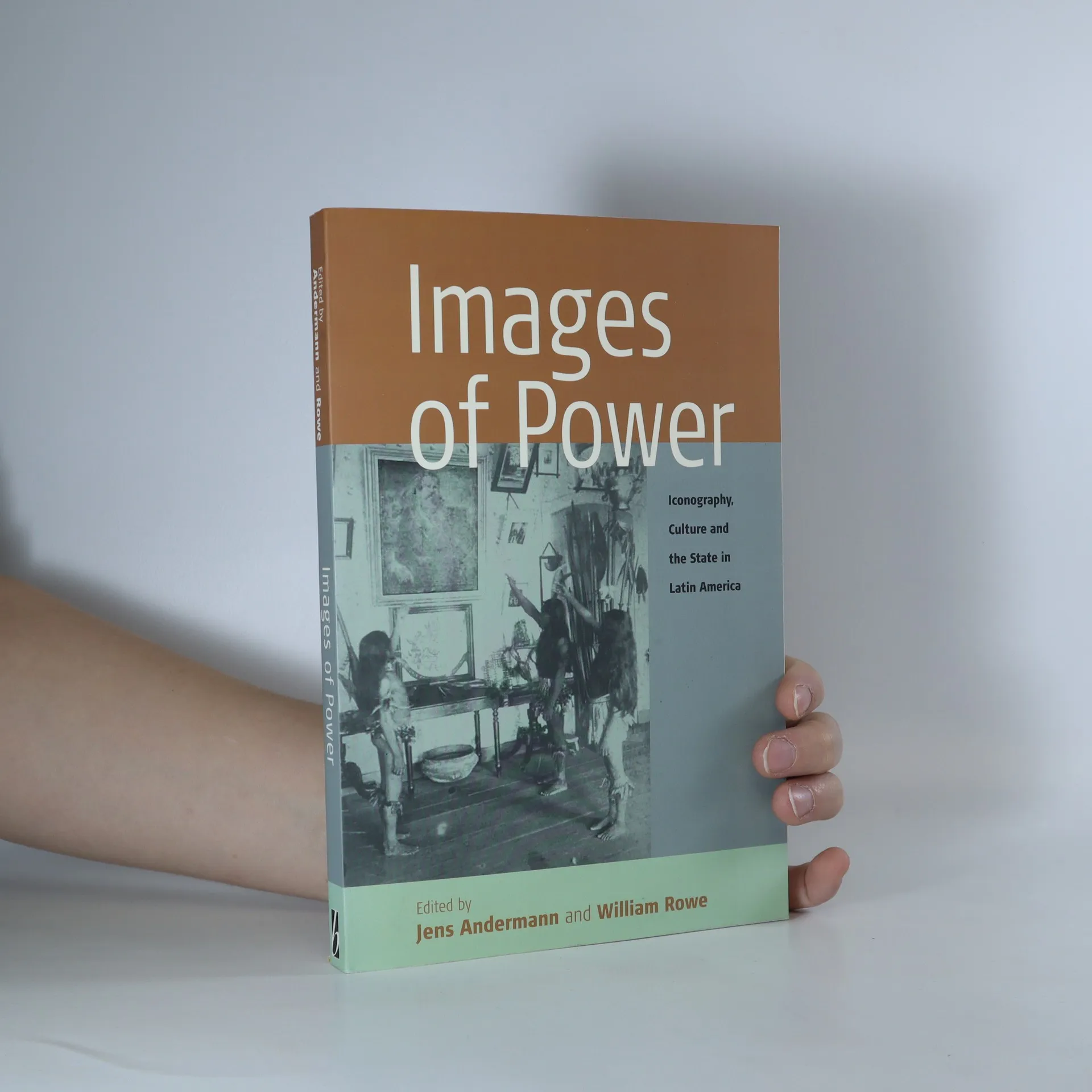
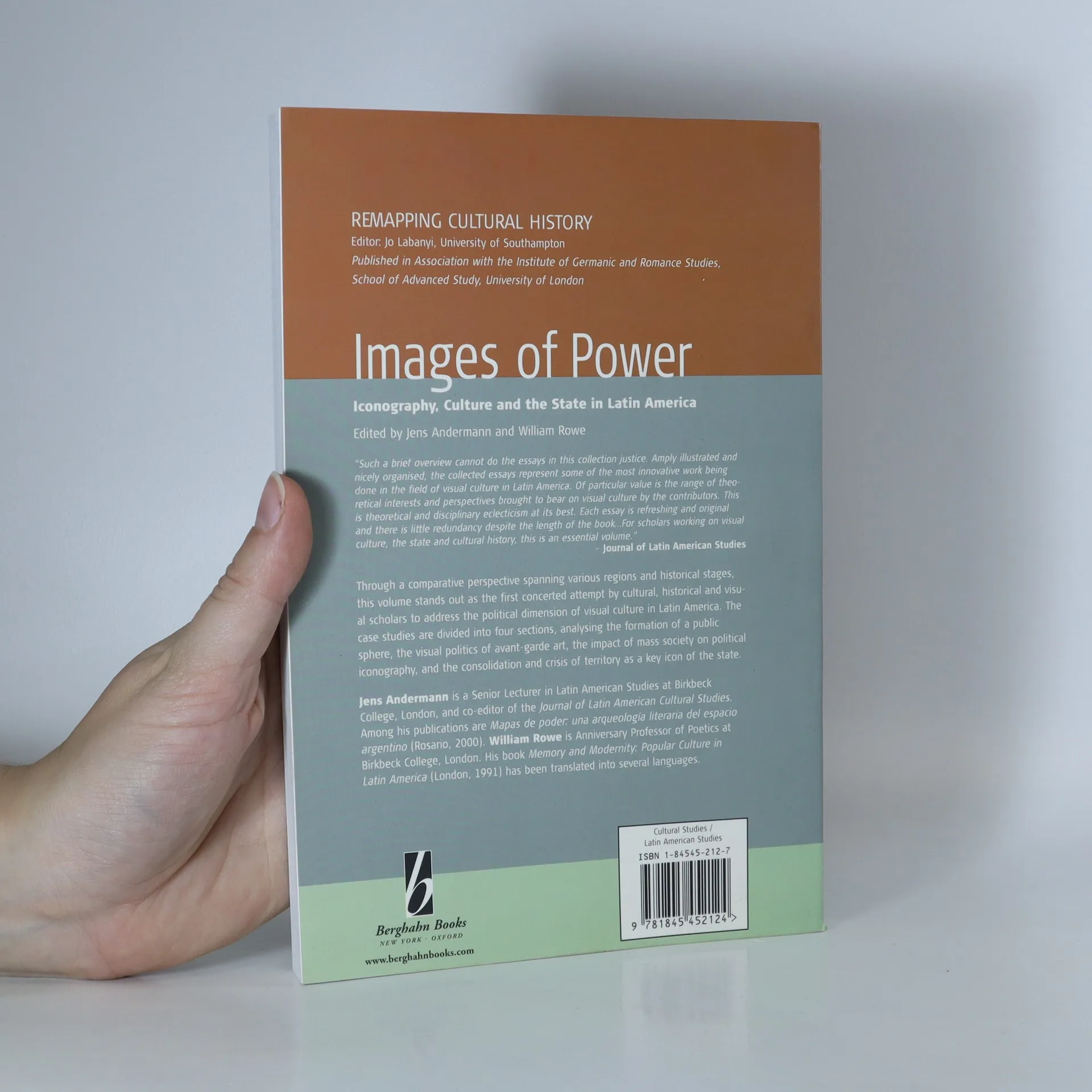
In Latin America, where even today writing has remained a restricted form of expression, the task of generating consent and imposing the emergent nation-state as the exclusive form of the political, was largely conferred to the image. Furthermore, at the moment of its historical demise, the new, 'postmodern' forms of sovereignty appear to rely even more heavily on visual discourses of power. However, a critique of the iconography of the modern state-form has been missing. This volume is the first concerted attempt by cultural, historical and visual scholars to address the political dimension of visual culture in Latin America, in a comparative perspective spanning various regions and historical stages. The case studies are divided into four sections, analysing the formation of a public sphere, the visual politics of avant-garde art, the impact of mass society on political iconography, and the consolidation and crisis of territory as a key icon of the state.
Zakup książki
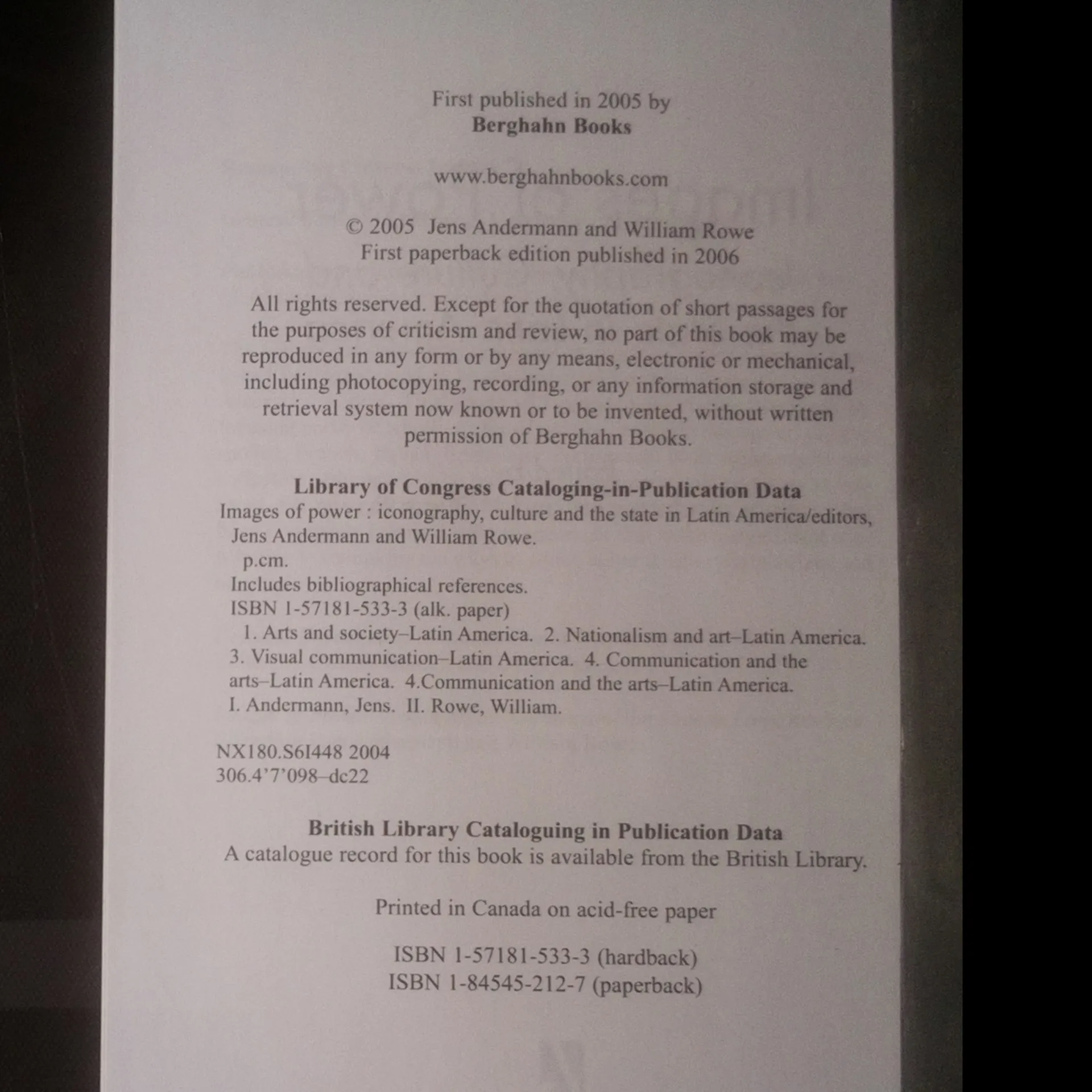
Images of Power: Iconography, Culture and the State in Latin America, Jens Andermann, William Rowe
- Język

- Rok wydania
- 2006
- Oprawa
- (twarda)
Metody płatności
Nikt jeszcze nie ocenił.
- Tytuł
- Images of Power: Iconography, Culture and the State in Latin America
- Język
- angielski
- Autorzy
- Jens Andermann, William Rowe
- Wydawca
- Berghahn Books
- Rok wydania
- 2006
- Oprawa
- twarda
- ISBN10
- 1845452127
- ISBN13
- 9781845452124
- Seria
- Opis
- In Latin America, where even today writing has remained a restricted form of expression, the task of generating consent and imposing the emergent nation-state as the exclusive form of the political, was largely conferred to the image. Furthermore, at the moment of its historical demise, the new, 'postmodern' forms of sovereignty appear to rely even more heavily on visual discourses of power. However, a critique of the iconography of the modern state-form has been missing. This volume is the first concerted attempt by cultural, historical and visual scholars to address the political dimension of visual culture in Latin America, in a comparative perspective spanning various regions and historical stages. The case studies are divided into four sections, analysing the formation of a public sphere, the visual politics of avant-garde art, the impact of mass society on political iconography, and the consolidation and crisis of territory as a key icon of the state.