

Więcej o książce
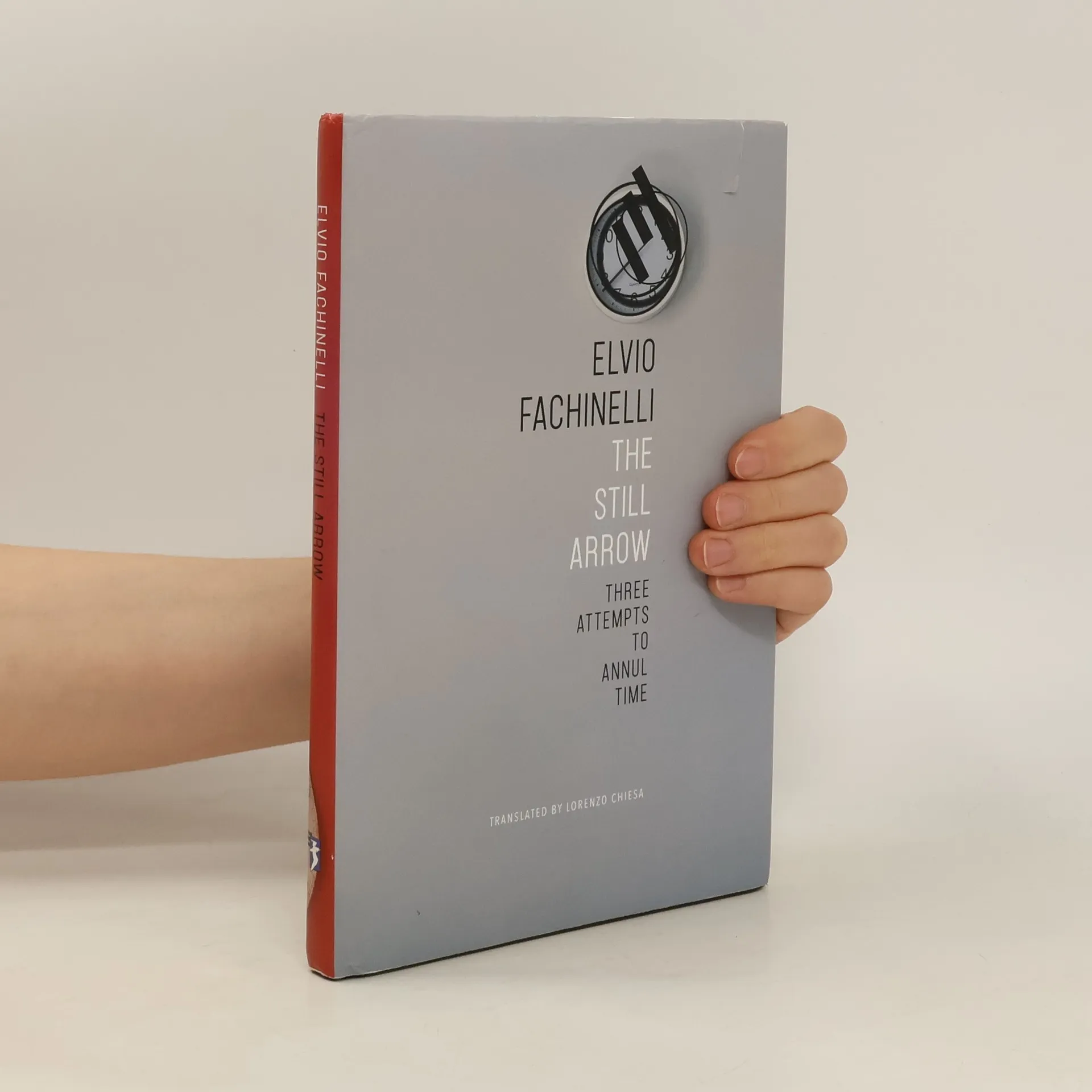
Elvio Fachinelli was a leading Italian psychoanalyst of the 1960s-80s whose clinical, theoretical, and radical work resonated well beyond his discipline. In The Still Arrow, Fachinelli launched an interdisciplinary investigation ranging from anthropology to politics and the history of religions to the critique of ideology. From a psychoanalytic standpoint, individual obsessional neurosis is firmly connected to a process of repudiation of death. But Fachinelli argued that similar elaborations on time are also present at the group level, in disparate social and historical contexts, for instance, in the archaic transformation of the dead into ancestors and in what he named "the fascist phenomenon." Originally written in Italian in 1979, this book displays Fachinelli's eclectic methodology, which came to serve as a precursor to Slavoj Zizek's work. Fachinelli differs from Freud's attempt in Totem and Taboo to equate individual psycho-libidinal predicaments with those of whole societies, and he points out an unbridgeable difference between the two. At the same time, for Fachinelli, that difference always remains one of degree, not of principle. He explores many questions about time, such as history's status not only as the sum of all possible histories but also of impossible ones. This first English translation of Fachinelli's work, The Still Arrow introduces a major critical European voice to the larger readership.
Zakup książki
The Still Arrow, Elvio Fachinelli
- Język

- Rok wydania
- 2022
- Oprawa
- (twarda)
Metody płatności
Brakuje nam tutaj Twojej recenzji.
- Tytuł
- The Still Arrow
- Język
- angielski
- Autorzy
- Elvio Fachinelli
- Wydawca
- Seagull Books London Ltd
- Rok wydania
- 2022
- Oprawa
- twarda
- Liczba stron
- 158
- ISBN10
- 0857428519
- ISBN13
- 9780857428516
- Seria
- Ocena
- 5 z 5
- Opis
- Elvio Fachinelli was a leading Italian psychoanalyst of the 1960s-80s whose clinical, theoretical, and radical work resonated well beyond his discipline. In The Still Arrow, Fachinelli launched an interdisciplinary investigation ranging from anthropology to politics and the history of religions to the critique of ideology. From a psychoanalytic standpoint, individual obsessional neurosis is firmly connected to a process of repudiation of death. But Fachinelli argued that similar elaborations on time are also present at the group level, in disparate social and historical contexts, for instance, in the archaic transformation of the dead into ancestors and in what he named "the fascist phenomenon." Originally written in Italian in 1979, this book displays Fachinelli's eclectic methodology, which came to serve as a precursor to Slavoj Zizek's work. Fachinelli differs from Freud's attempt in Totem and Taboo to equate individual psycho-libidinal predicaments with those of whole societies, and he points out an unbridgeable difference between the two. At the same time, for Fachinelli, that difference always remains one of degree, not of principle. He explores many questions about time, such as history's status not only as the sum of all possible histories but also of impossible ones. This first English translation of Fachinelli's work, The Still Arrow introduces a major critical European voice to the larger readership.