

Więcej o książce
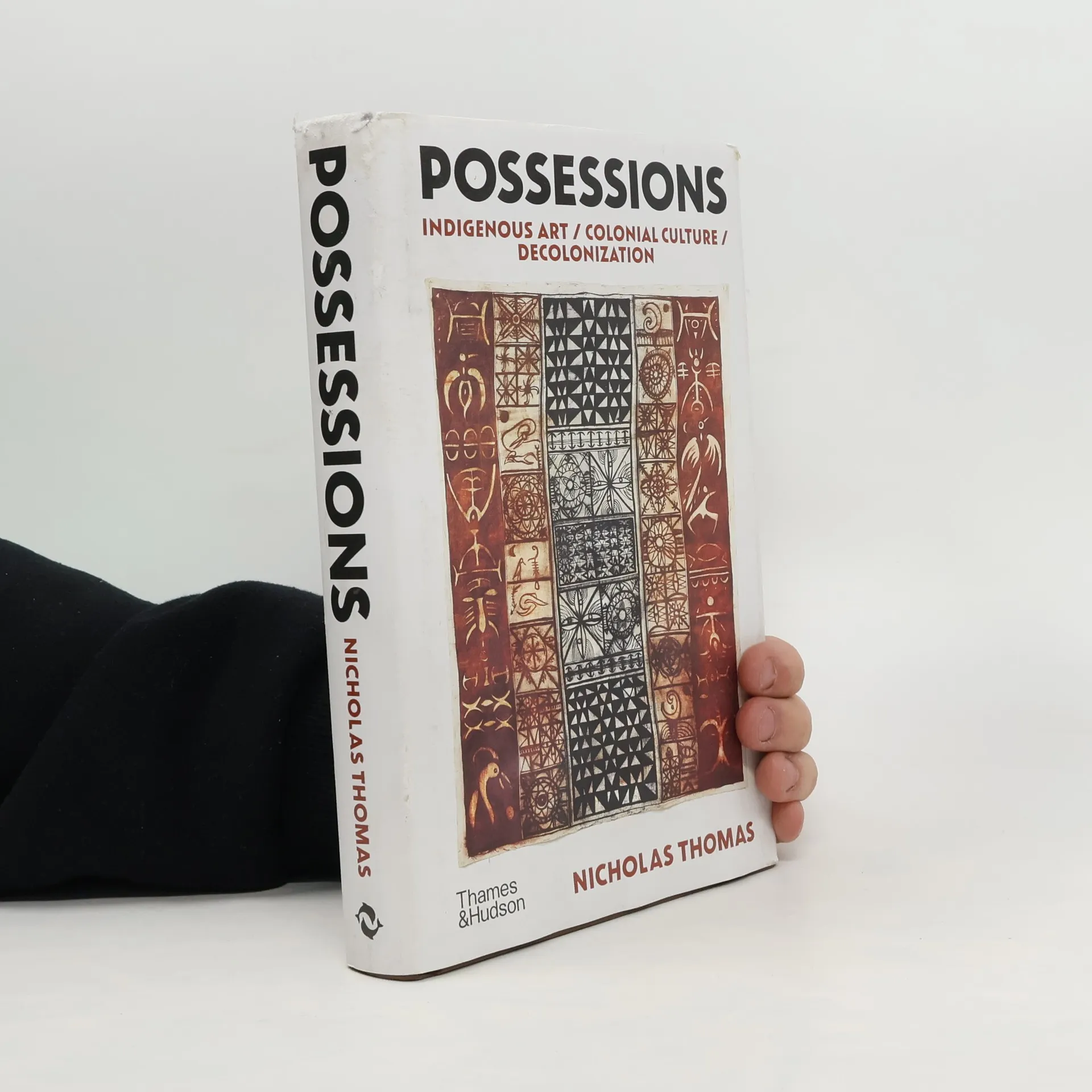
A timely re-examination of European engagements with indigenous art and the presence of indigenous art in the contemporary art world. Tribal art has been one of the great inspirations of 20th-century Western art. Europeans such as Picasso, Matisse, Ernst and Brancusi created their own responses to masks, sculpture and other forms of African, Oceanic and American art. But is this a cross-cultural discovery to be celebrated, or just one more example of Western colonial appropriation? Possessions seeks to prove that both viewpoints are too simplistic. It focuses on the distinctive situation of the settler society - countries such as Australia and New Zealand in which large numbers of Europeans made their home, displacing but never entirely eclipsing native peoples. Settler artists and designers have drawn on indigenous motifs and styles to create art. Yet powerful indigenous art traditions have also been used to assert the presence of native peoples and their prior claim to sovereignty. Cultural exchange proves to be a two-way process, and an unpredictable one: much contemporary indigenous art draws on modern Western art, while affirming ancestral values and rejecting the European appropriation of tribal culture
Zakup książki
Possessions, Nicholas Thomas
- Język

- Rok wydania
- 2022
- Oprawa
- (twarda)
Metody płatności
Brakuje nam tutaj Twojej recenzji.
- Tytuł
- Possessions
- Język
- angielski
- Autorzy
- Nicholas Thomas
- Wydawca
- Thames & Hudson Ltd
- Rok wydania
- 2022
- Oprawa
- twarda
- Liczba stron
- 368
- ISBN10
- 0500296596
- ISBN13
- 9780500296592
- Seria
- Tagi
- Ocena
- 4,5 z 5
- Opis
- A timely re-examination of European engagements with indigenous art and the presence of indigenous art in the contemporary art world. Tribal art has been one of the great inspirations of 20th-century Western art. Europeans such as Picasso, Matisse, Ernst and Brancusi created their own responses to masks, sculpture and other forms of African, Oceanic and American art. But is this a cross-cultural discovery to be celebrated, or just one more example of Western colonial appropriation? Possessions seeks to prove that both viewpoints are too simplistic. It focuses on the distinctive situation of the settler society - countries such as Australia and New Zealand in which large numbers of Europeans made their home, displacing but never entirely eclipsing native peoples. Settler artists and designers have drawn on indigenous motifs and styles to create art. Yet powerful indigenous art traditions have also been used to assert the presence of native peoples and their prior claim to sovereignty. Cultural exchange proves to be a two-way process, and an unpredictable one: much contemporary indigenous art draws on modern Western art, while affirming ancestral values and rejecting the European appropriation of tribal culture