




Więcej o książce
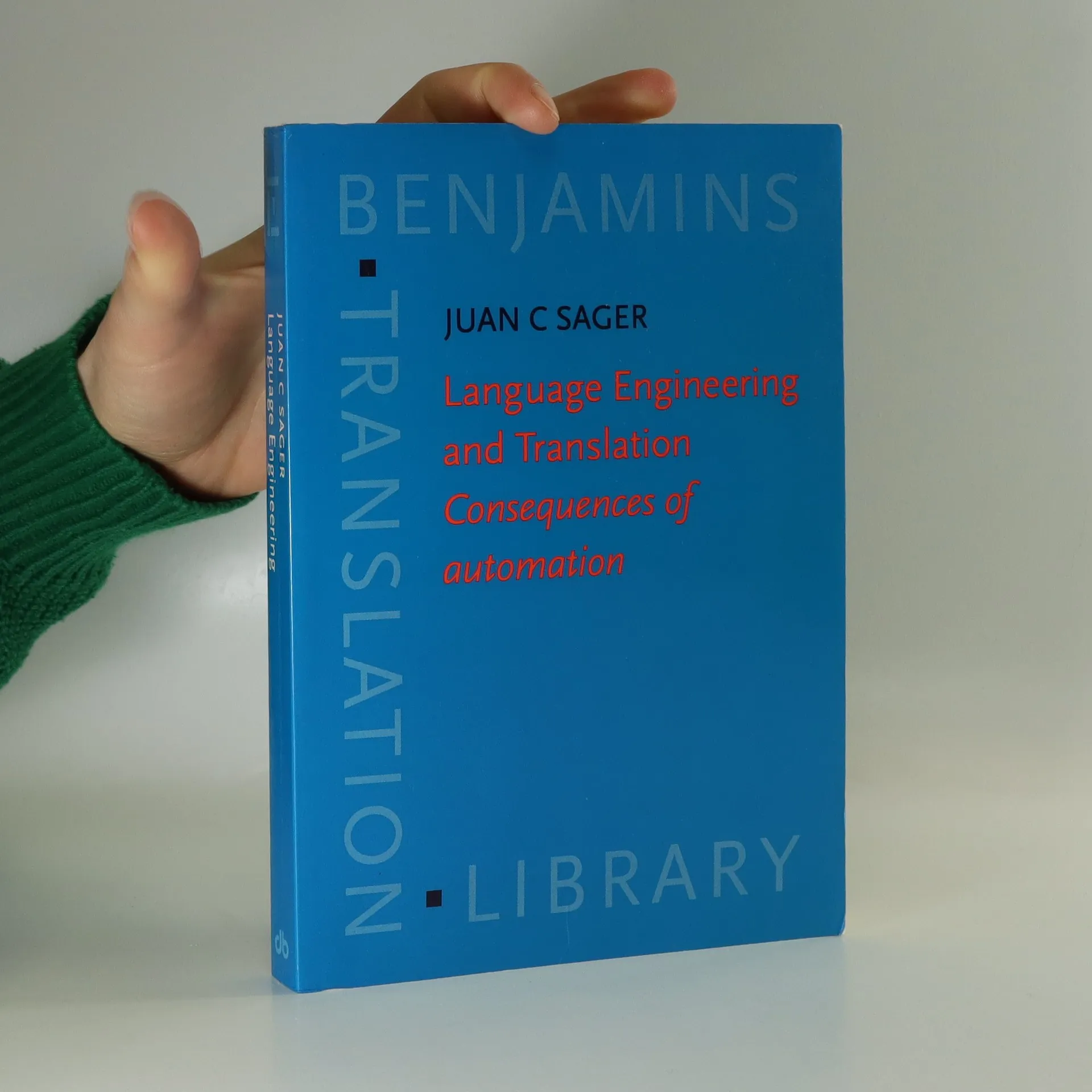
At a time when information technology has become a regular tool of specialised translators in all aspects of their work, it is useful to place the activity of technical translation into its appropriate environment and to describe it from the point of view of its role in the broader context of communication in which it occurs. The advent of automated alternatives to human translation has fundamentally affected the profession, its products and the relationship between translators and their clients.This book presents and discusses the process of translation against this background. The context in which translation is normally studied is widened in order to re-examine the process of translation as part of interlingual text production and to analyse the manner in which the new tools affect the product of translation.This book is of particular relevance in modern translator training courses.
Zakup książki
Language enginnering and translation: Consequences of automation, Juan C. Sager
- Język

- Rok wydania
- 1993
- Oprawa
- (twarda)
Metody płatności
Nikt jeszcze nie ocenił.
- Tytuł
- Language enginnering and translation: Consequences of automation
- Język
- angielski
- Autorzy
- Juan C. Sager
- Wydawca
- Benjamins
- Rok wydania
- 1993
- Oprawa
- twarda
- Liczba stron
- 365
- ISBN10
- 9027221405
- ISBN13
- 9789027221407
- Seria
- Kolekcja
- Benjamins translation library
- Kategorie
- Opis
- At a time when information technology has become a regular tool of specialised translators in all aspects of their work, it is useful to place the activity of technical translation into its appropriate environment and to describe it from the point of view of its role in the broader context of communication in which it occurs. The advent of automated alternatives to human translation has fundamentally affected the profession, its products and the relationship between translators and their clients.This book presents and discusses the process of translation against this background. The context in which translation is normally studied is widened in order to re-examine the process of translation as part of interlingual text production and to analyse the manner in which the new tools affect the product of translation.This book is of particular relevance in modern translator training courses.