



Więcej o książce
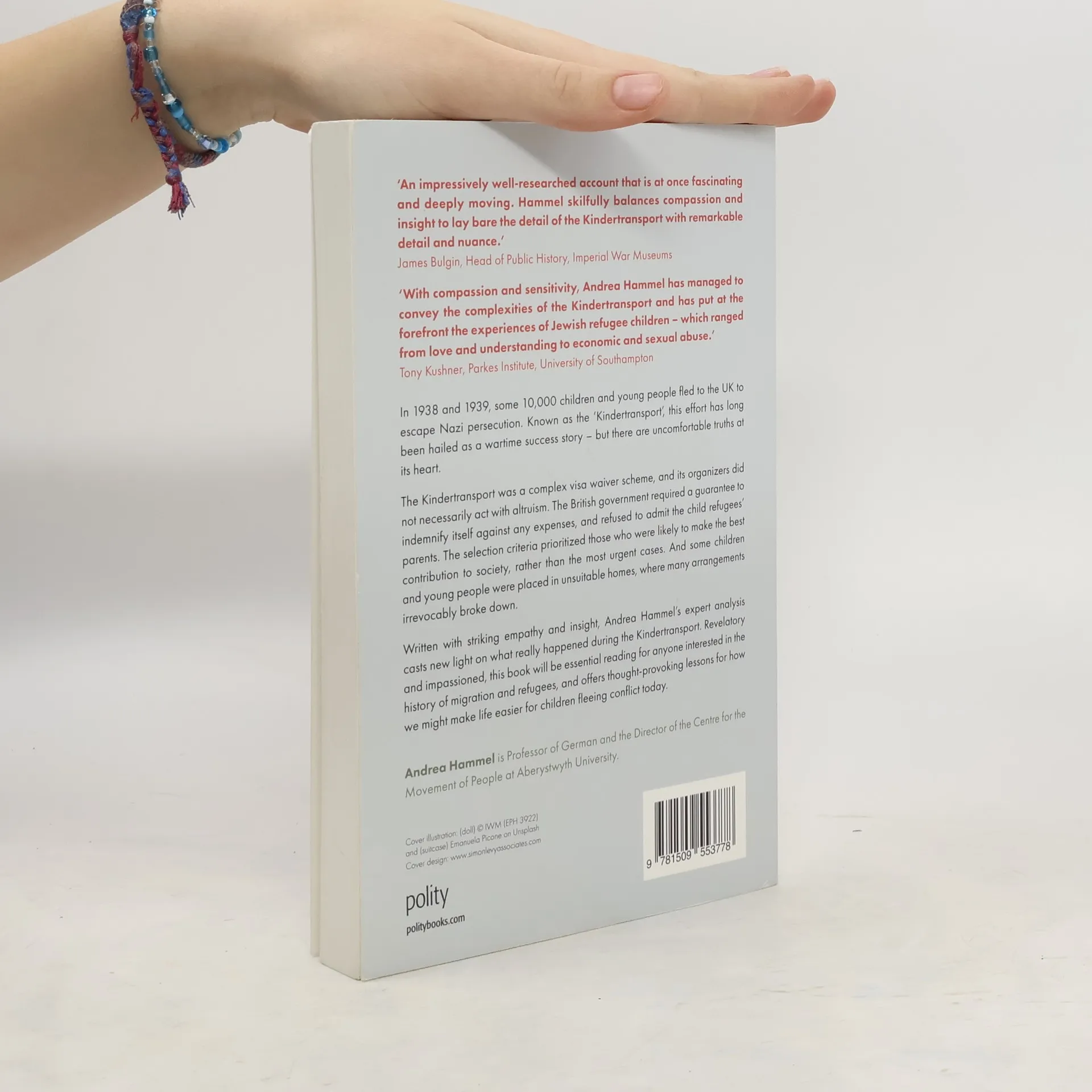
In 1938 and 1939, some 10,000 children and young people fled to the UK to escape Nazi persecution. Known as the ‘Kindertransport’, this effort has long been hailed as a feel-good wartime success story—but there are uncomfortable truths at the heart of this history. The Kindertransport was a complex visa waiver scheme, and its initiators and organisers did not necessarily act in an altruistic way. The British government required a guarantee to indemnify the government against any expense for the arriving child, and refused to admit child refugees’ parents. The selection criteria in place prioritised those who were likely to make the best contribution to society and the economy, rather than the most urgent cases. And, once they had arrived safely in the United Kingdom, some children and young people were placed in unsuitable homes, and many arrangements irrevocably broke down. Written with striking empathy and insight, Andrea Hammel’s expert analysis casts new light on what really happened during the Kindertransport. Revelatory and impassioned, this book will be essential reading for anyone interested in the history of migration and refugees in Britain, and offers thought-provoking lessons for how we might make life easier for children fleeing conflict today.
Zakup książki
The Kindertransport, Andrea Hammel
- Język

- Rok wydania
- 2023
- Oprawa
- (miękka)
Metody płatności
Brakuje nam tutaj Twojej recenzji.
- Tytuł
- The Kindertransport
- Język
- angielski
- Autorzy
- Andrea Hammel
- Wydawca
- John Wiley and Sons Ltd
- Rok wydania
- 2023
- Oprawa
- miękka
- Liczba stron
- 169
- ISBN10
- 1509553770
- ISBN13
- 9781509553778
- Seria
- Tagi
- Podróże
- Ocena
- 3,6 z 5
- Opis
- In 1938 and 1939, some 10,000 children and young people fled to the UK to escape Nazi persecution. Known as the ‘Kindertransport’, this effort has long been hailed as a feel-good wartime success story—but there are uncomfortable truths at the heart of this history. The Kindertransport was a complex visa waiver scheme, and its initiators and organisers did not necessarily act in an altruistic way. The British government required a guarantee to indemnify the government against any expense for the arriving child, and refused to admit child refugees’ parents. The selection criteria in place prioritised those who were likely to make the best contribution to society and the economy, rather than the most urgent cases. And, once they had arrived safely in the United Kingdom, some children and young people were placed in unsuitable homes, and many arrangements irrevocably broke down. Written with striking empathy and insight, Andrea Hammel’s expert analysis casts new light on what really happened during the Kindertransport. Revelatory and impassioned, this book will be essential reading for anyone interested in the history of migration and refugees in Britain, and offers thought-provoking lessons for how we might make life easier for children fleeing conflict today.