

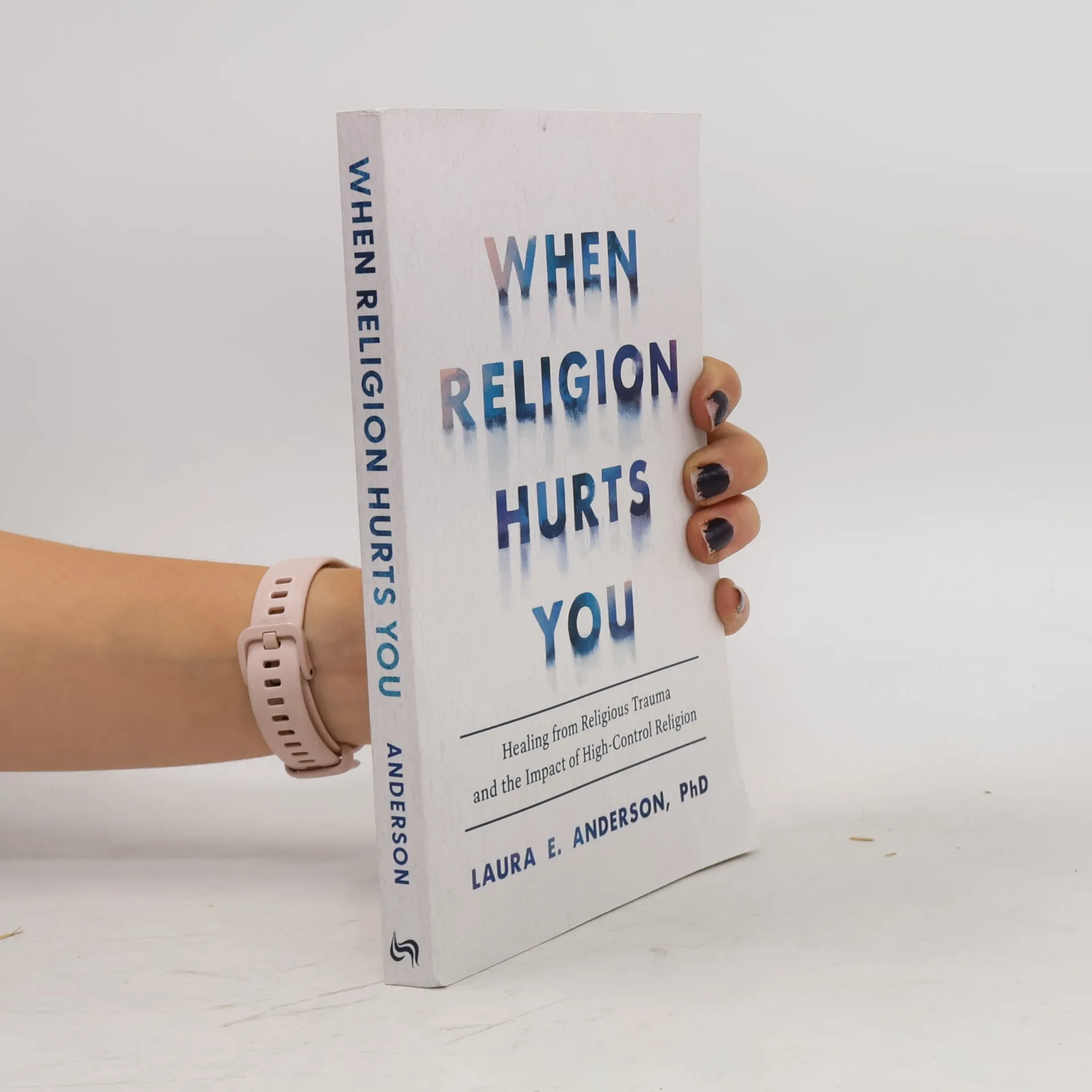
When Religion Hurts You - Healing from Religious Trauma and the Impact of High-Control Religion
Autorzy
Ocena książki
Więcej o książce
Spiritual abuse is something that happens far more often than most people realize. In When Religion Hurts You, Dr. Laura Anderson takes an honest look at a side of religion that few like to talk about. Drawing from her own life and therapy practice, she helps readers understand what religious trauma is and isn't, and how high-control churches can be harmful and abusive, often resulting in trauma. She shows how elements of fundamentalist church life--such as fear of hell, purity culture, corporal punishment, and authoritarian leaders--can cause psychological, relational, physical, and spiritual damage. As she explores the growing phenomenon of religious trauma, Dr. Anderson helps readers embark on a journey of living as healing individuals and finding a new foundation to stand on. Recognizing that healing is a lifelong rather than a linear process, she offers markers of healing for those coming out of painful religious experiences and hope for finding wholeness after religious trauma.
Zakup książki
When Religion Hurts You - Healing from Religious Trauma and the Impact of High-Control Religion, Laura Anderson
- Język

- Rok wydania
- 2023
- Oprawa
- (miękka)
Metody płatności
Brakuje nam tutaj Twojej recenzji.
- Tytuł
- When Religion Hurts You - Healing from Religious Trauma and the Impact of High-Control Religion
- Język
- angielski
- Autorzy
- Laura Anderson
- Wydawca
- Baker Publishing Group
- Rok wydania
- 2023
- Oprawa
- miękka
- Liczba stron
- 240
- ISBN10
- 1587435888
- ISBN13
- 9781587435881
- Seria
- Tagi
- Judaica
- Ocena
- 4,4 z 5
- Opis
- Spiritual abuse is something that happens far more often than most people realize. In When Religion Hurts You, Dr. Laura Anderson takes an honest look at a side of religion that few like to talk about. Drawing from her own life and therapy practice, she helps readers understand what religious trauma is and isn't, and how high-control churches can be harmful and abusive, often resulting in trauma. She shows how elements of fundamentalist church life--such as fear of hell, purity culture, corporal punishment, and authoritarian leaders--can cause psychological, relational, physical, and spiritual damage. As she explores the growing phenomenon of religious trauma, Dr. Anderson helps readers embark on a journey of living as healing individuals and finding a new foundation to stand on. Recognizing that healing is a lifelong rather than a linear process, she offers markers of healing for those coming out of painful religious experiences and hope for finding wholeness after religious trauma.