

Więcej o książce
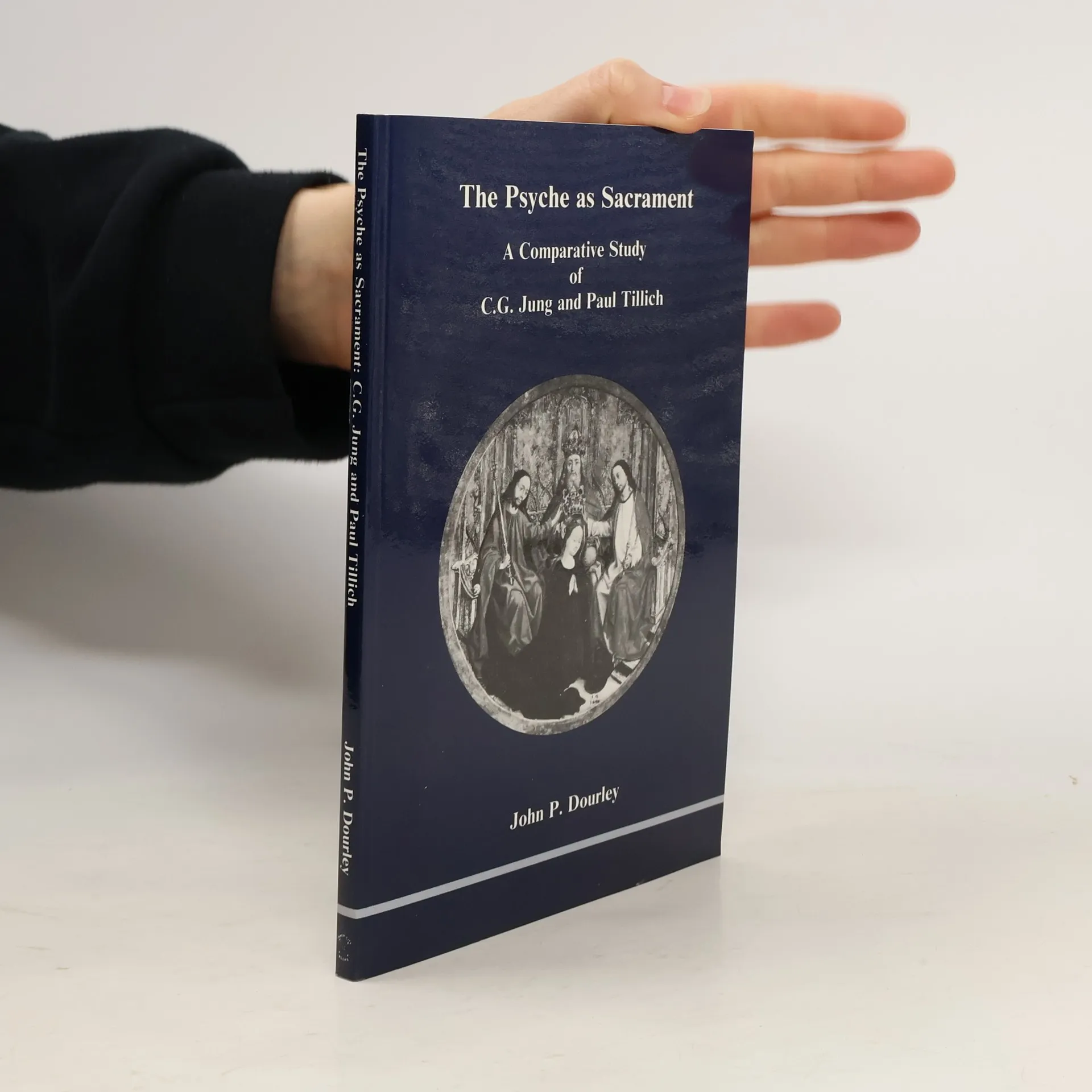
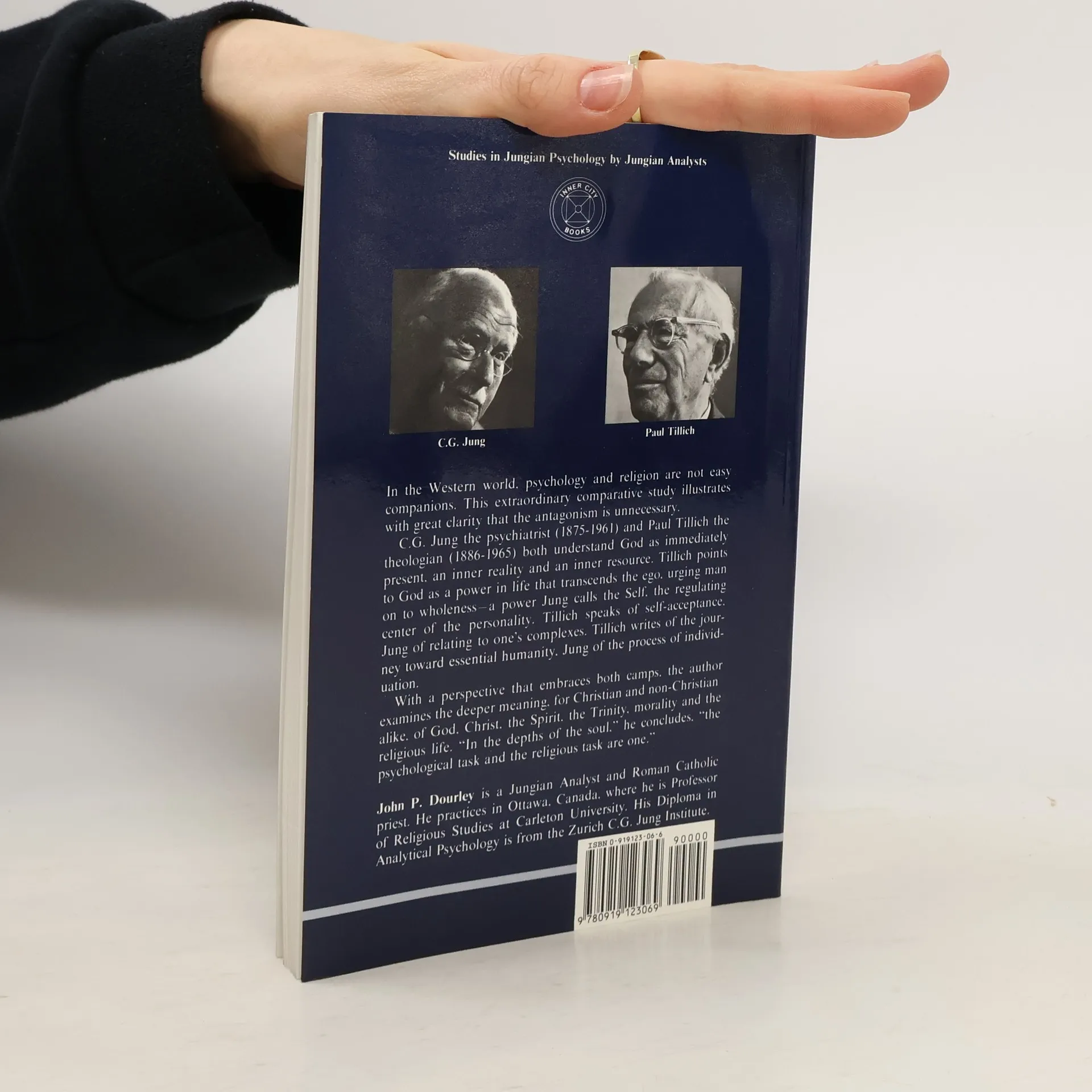
In the Western world, psychology and religion are not easy companions. This book illustrates with great clarity that the antagonism is unnecessary. C.G. Jung the psychiatrist (1875-1961) and Paul Tillich the theologian (1886-1965) both understand God as immediately present, an inner reality and an inner resource. Tillich points to God as a power in life that transcends the ego, urging man on to wholeness―a power Jung calls the Self, the regulating centre of the personality. Tillich speaks of self-acceptance, Jung of relating to one’s complexes. Tillich writes of the journey towards essential humanity, Jung of the process of individuation. With a perspective that embraces both camps, the author examines the deeper meaning, for Christian and nonbeliever alike, of God, Christ, the Spirit, the Trinity, morality, and much else. “In the depths of the soul,” he concludes, “the psychological task and the religious task are one.”
Zakup książki
Psyche as Sacrament, John P. Dourley
- Język

- Rok wydania
- 2023
- Oprawa
- (miękka)
Metody płatności
Brakuje nam tutaj Twojej recenzji.
- Tytuł
- Psyche as Sacrament
- Język
- angielski
- Autorzy
- John P. Dourley
- Wydawca
- Inner City Books
- Rok wydania
- 2023
- Oprawa
- miękka
- Liczba stron
- 128
- ISBN10
- 0919123066
- ISBN13
- 9780919123069
- Seria
- Ocena
- 4,65 z 5
- Opis
- In the Western world, psychology and religion are not easy companions. This book illustrates with great clarity that the antagonism is unnecessary. C.G. Jung the psychiatrist (1875-1961) and Paul Tillich the theologian (1886-1965) both understand God as immediately present, an inner reality and an inner resource. Tillich points to God as a power in life that transcends the ego, urging man on to wholeness―a power Jung calls the Self, the regulating centre of the personality. Tillich speaks of self-acceptance, Jung of relating to one’s complexes. Tillich writes of the journey towards essential humanity, Jung of the process of individuation. With a perspective that embraces both camps, the author examines the deeper meaning, for Christian and nonbeliever alike, of God, Christ, the Spirit, the Trinity, morality, and much else. “In the depths of the soul,” he concludes, “the psychological task and the religious task are one.”