

Więcej o książce
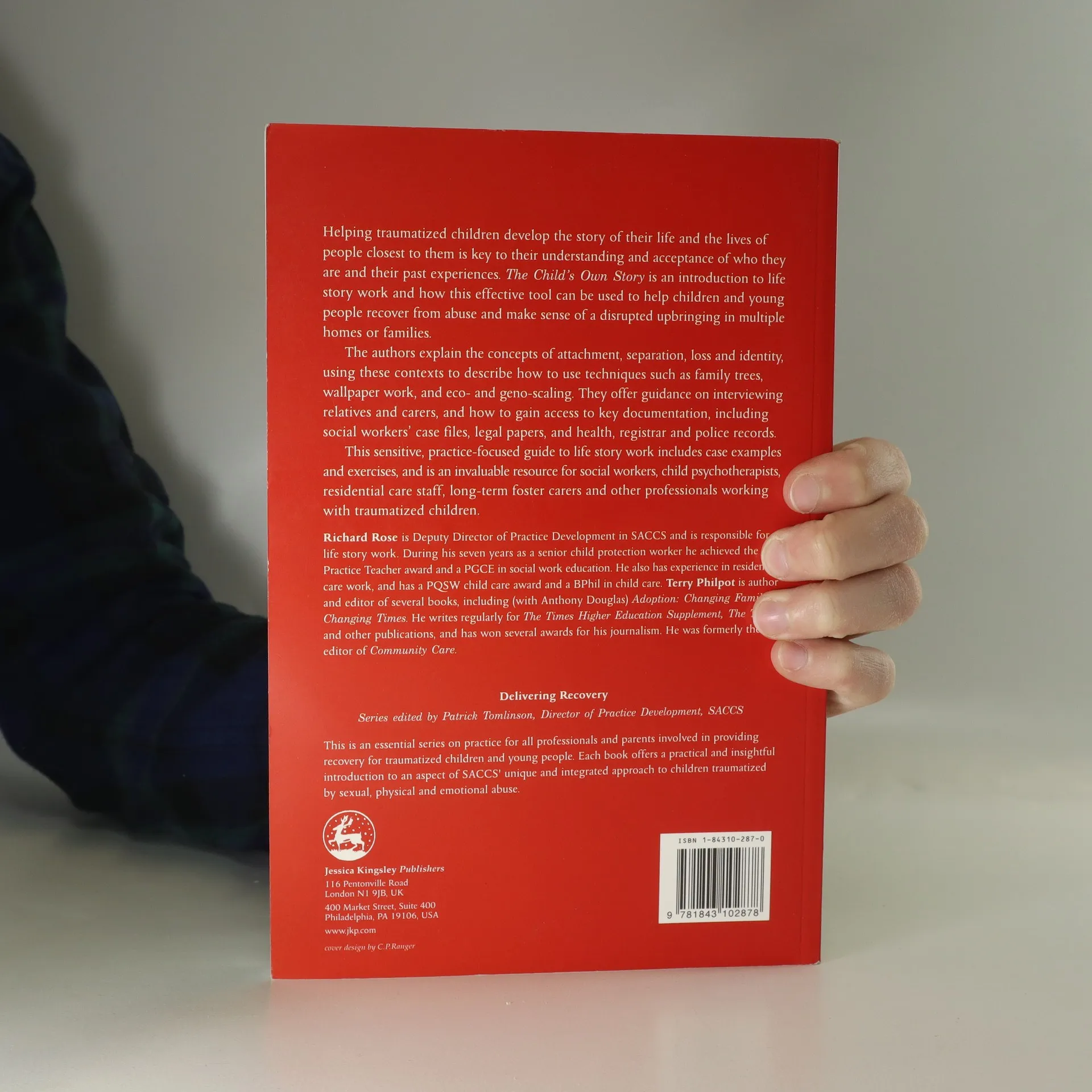
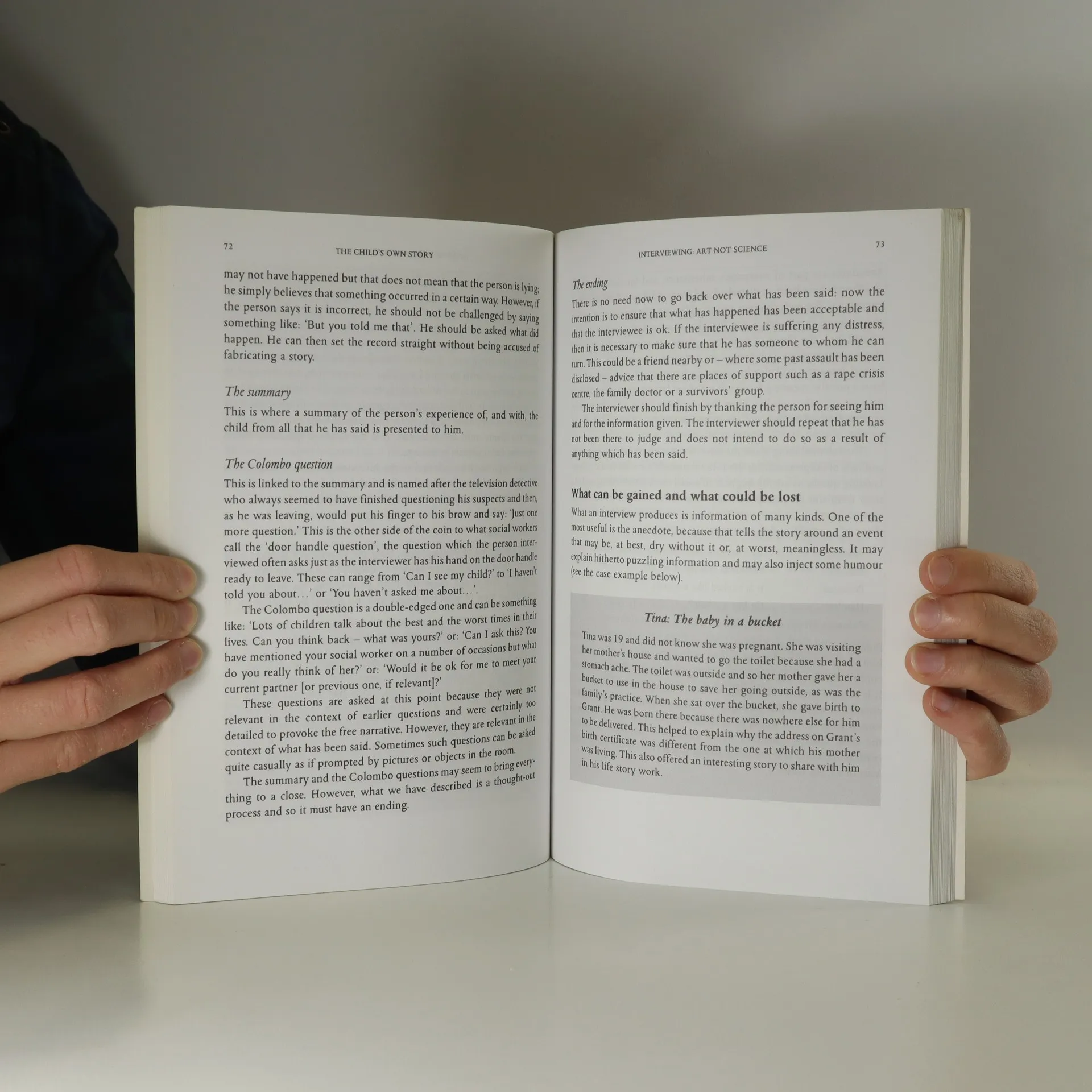
Helping traumatized children develop the story of their life and the lives of people closest to them is key to their understanding and acceptance of who they are and their past experiences. The Child's Own Story is an introduction to life story work and how this effective tool can be used to help children and young people recover from abuse and make sense of a disrupted upbringing in multiple homes or families. The authors explain the concepts of attachment, separation, loss and identity, using these contexts to describe how to use techniques such as family trees, wallpaper work, and eco- and geno-scaling. They offer guidance on interviewing relatives and carers, and how to gain access to key documentation, including social workers' case files, legal papers, and health, registrar and police records. This sensitive, practice-focused guide to life story work includes case examples and exercises, and is an invaluable resource for social workers, child psychotherapists, residential care staff, long-term foster carers and other professionals working with traumatized children.
Zakup książki
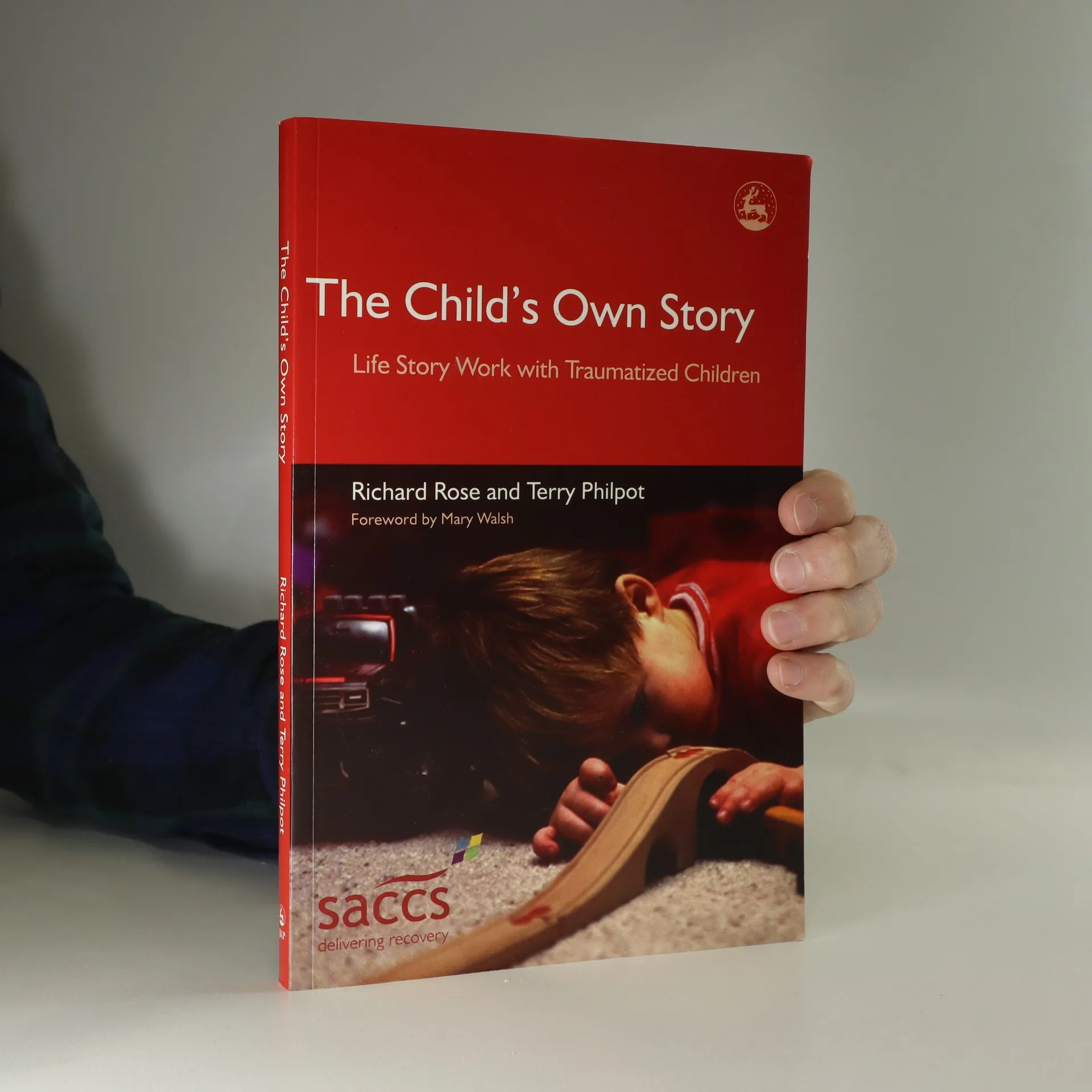
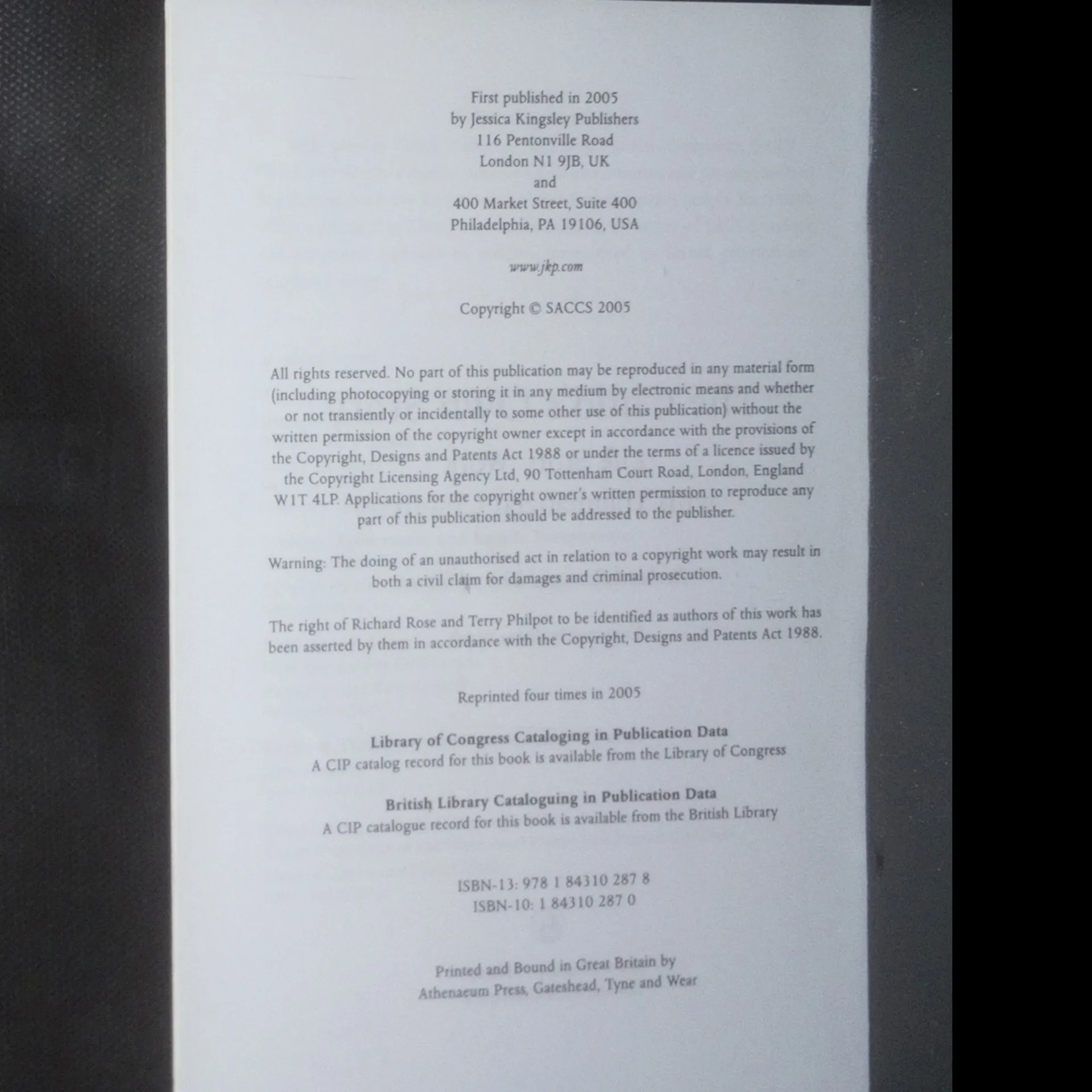
The child's own story life story work with traumatized children, Richard Rose, Terry Philpot
- Język

- Rok wydania
- 2005
- Oprawa
- (miękka)
Metody płatności
Brakuje nam tutaj Twojej recenzji.
- Tytuł
- The child's own story life story work with traumatized children
- Język
- angielski
- Autorzy
- Richard Rose, Terry Philpot
- Wydawca
- Jessica Kingsley Publishers
- Rok wydania
- 2005
- Oprawa
- miękka
- Liczba stron
- 160
- ISBN10
- 1843102870
- ISBN13
- 9781843102878
- Seria
- Kolekcja
- Delivering recovery
- Tagi
- Ocena
- 4,25 z 5
- Opis
- Helping traumatized children develop the story of their life and the lives of people closest to them is key to their understanding and acceptance of who they are and their past experiences. The Child's Own Story is an introduction to life story work and how this effective tool can be used to help children and young people recover from abuse and make sense of a disrupted upbringing in multiple homes or families. The authors explain the concepts of attachment, separation, loss and identity, using these contexts to describe how to use techniques such as family trees, wallpaper work, and eco- and geno-scaling. They offer guidance on interviewing relatives and carers, and how to gain access to key documentation, including social workers' case files, legal papers, and health, registrar and police records. This sensitive, practice-focused guide to life story work includes case examples and exercises, and is an invaluable resource for social workers, child psychotherapists, residential care staff, long-term foster carers and other professionals working with traumatized children.