

Więcej o książce
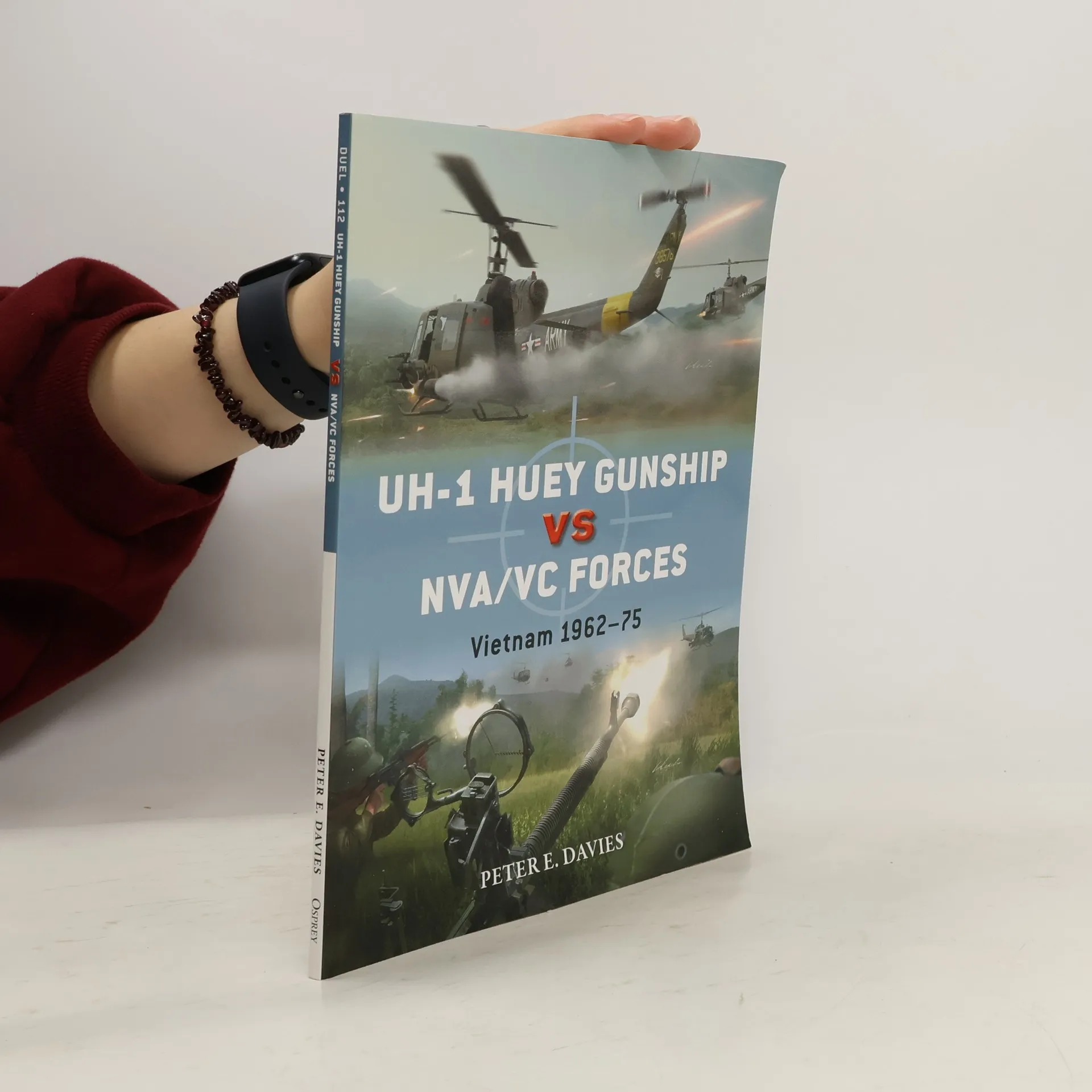
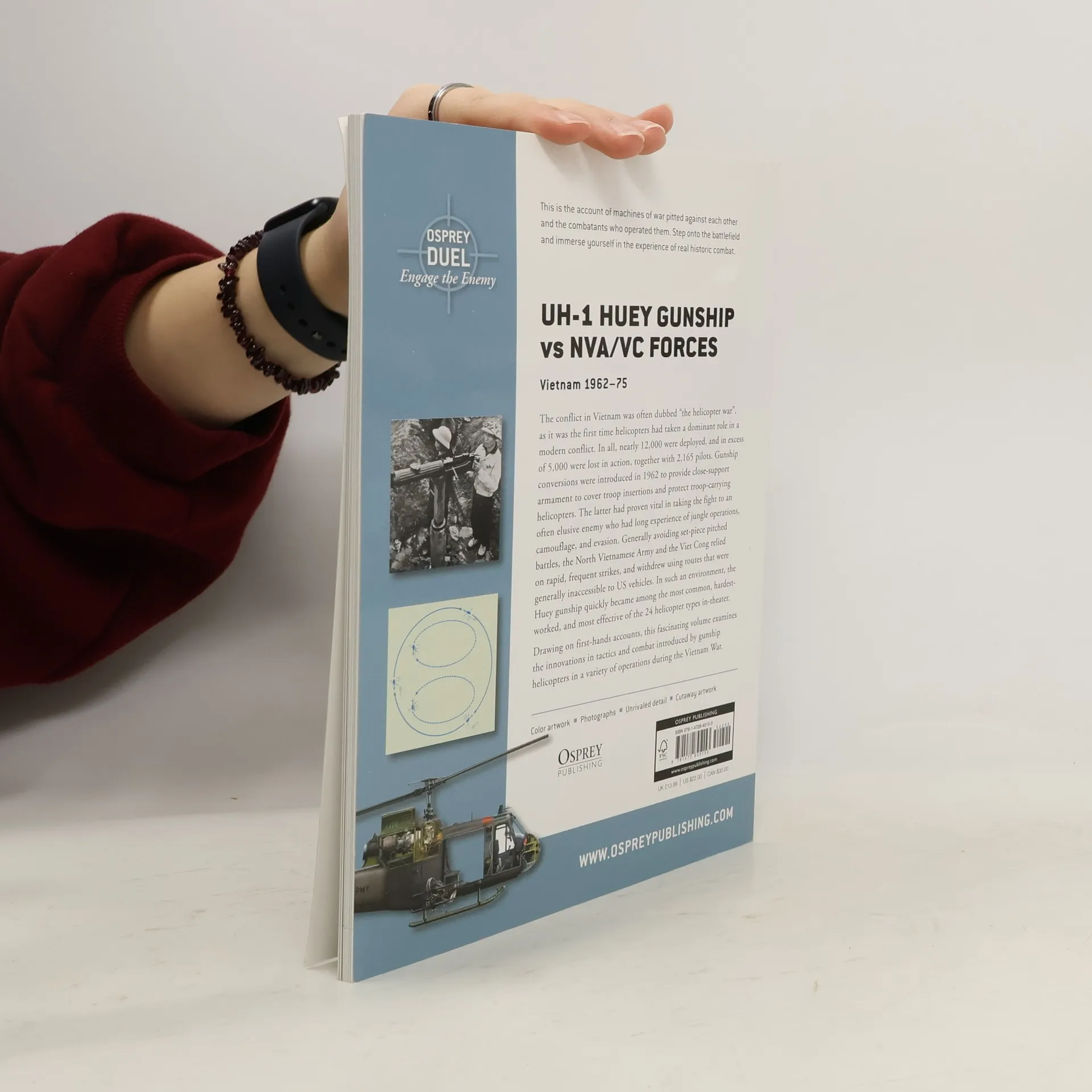
The helicopter played a crucial role in the US war effort, particularly highlighting the effectiveness of the gunship concept during the Vietnam War. This exploration focuses on the UH-1 Iroquois, or "Huey," often referred to as the US Army's aerial jeep. This versatile helicopter facilitated troop mobility in challenging jungle environments, enabling airlifting of troops, casualty evacuations, pilot rescues, cargo transport, and rapid command transit. Although helicopters became practical during the Korean War, their evolution accelerated before Vietnam, leading to their use as primary combat tools by 1965. North Vietnamese forces, experienced in jungle warfare, employed tactics that avoided direct confrontations, relying on stealth and difficult terrain to evade US forces. Gunship helicopters, equipped with advanced searchlights and night vision, became essential for tracking and attacking the enemy. The introduction of the UH-1C "Huey Hog" in 1960 marked a significant advancement, offering enhanced power and agility over its predecessor. Heavily armed and easily transportable, these helicopters posed a substantial challenge to insurgent forces. This analysis delves into the innovative tactics and combat strategies introduced by gunship helicopters, as well as the insurgents' responses to the emergence of vertical aviation.
Zakup książki
UH-1 Huey Gunship vs NVA/VC Forces, Peter E. Davies
- Język

- Rok wydania
- 2021
- Oprawa
- (miękka)
Metody płatności
Brakuje nam tutaj Twojej recenzji.
- Tytuł
- UH-1 Huey Gunship vs NVA/VC Forces
- Język
- angielski
- Autorzy
- Peter E. Davies
- Wydawca
- Bloomsbury Publishing PLC
- Rok wydania
- 2021
- Oprawa
- miękka
- Liczba stron
- 80
- ISBN10
- 1472845153
- ISBN13
- 9781472845153
- Seria
- Tagi
- Podróże
- Ocena
- 4 z 5
- Opis
- The helicopter played a crucial role in the US war effort, particularly highlighting the effectiveness of the gunship concept during the Vietnam War. This exploration focuses on the UH-1 Iroquois, or "Huey," often referred to as the US Army's aerial jeep. This versatile helicopter facilitated troop mobility in challenging jungle environments, enabling airlifting of troops, casualty evacuations, pilot rescues, cargo transport, and rapid command transit. Although helicopters became practical during the Korean War, their evolution accelerated before Vietnam, leading to their use as primary combat tools by 1965. North Vietnamese forces, experienced in jungle warfare, employed tactics that avoided direct confrontations, relying on stealth and difficult terrain to evade US forces. Gunship helicopters, equipped with advanced searchlights and night vision, became essential for tracking and attacking the enemy. The introduction of the UH-1C "Huey Hog" in 1960 marked a significant advancement, offering enhanced power and agility over its predecessor. Heavily armed and easily transportable, these helicopters posed a substantial challenge to insurgent forces. This analysis delves into the innovative tactics and combat strategies introduced by gunship helicopters, as well as the insurgents' responses to the emergence of vertical aviation.