

Więcej o książce
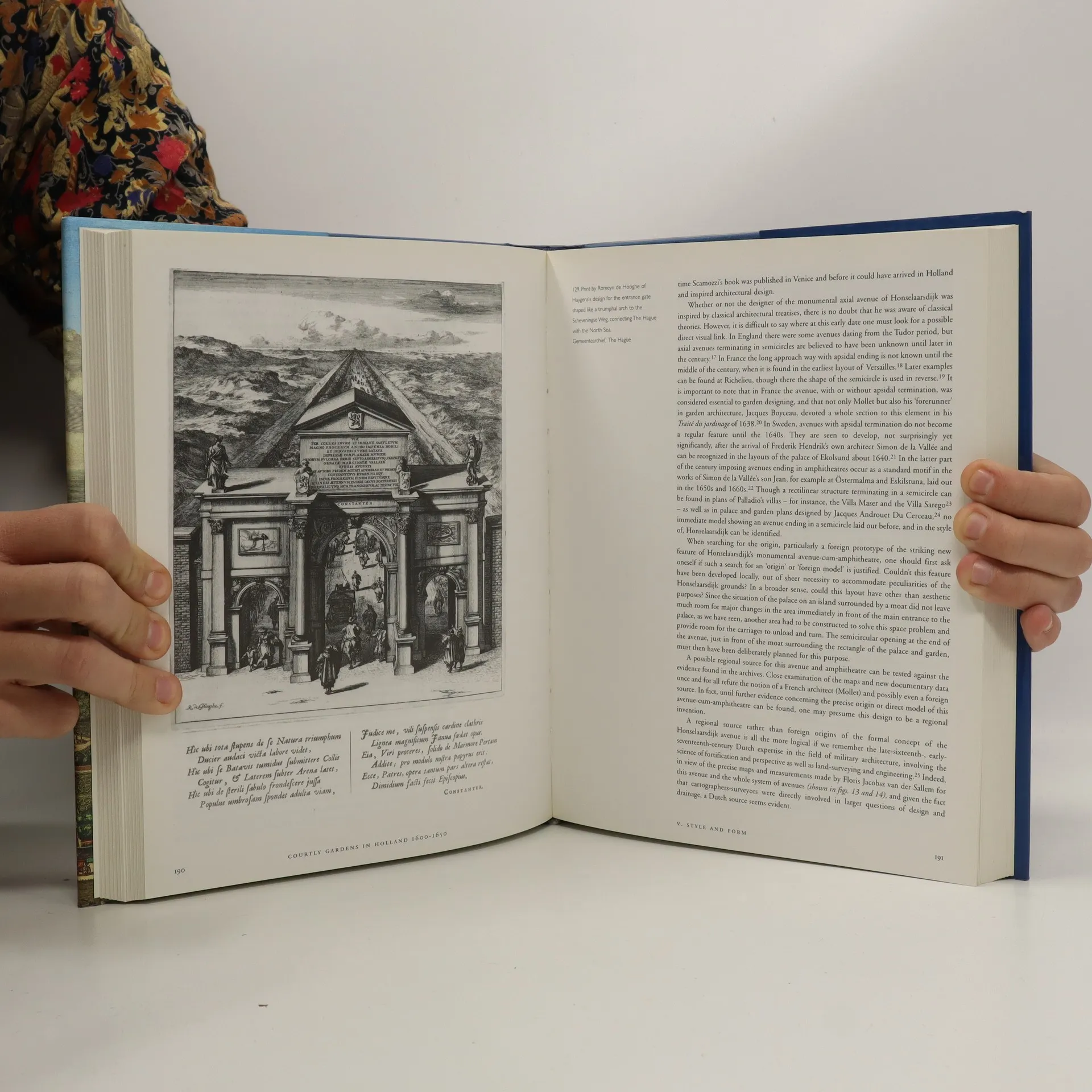
By describing garden architecture at the court of Frederik Hendrik and Amalia van Solms in the early 17th century, this work fills a significant gap in art historical research that has previously focused on later 17th century garden architecture. A wealth of hitherto unknown archival documentation combined with maps, prints, letters and literature from the period results in a step by step reconstruction of various lost domains of the Orange family. A complex analysis of the gardens' design history and iconology, set against the background of contemporary architectural theory, traditions of cartography and advances in the military sciences, highlights the development of this unique elusive art form. Of great added value, in addition to an impressive body of illustrations, is the appendix containing the original accounts of payment, listing names of gardeners and the acquisition of plant materials. This book convincingly demonstrates that the Dutch Golden Age should not be viewed as principally i
Zakup książki
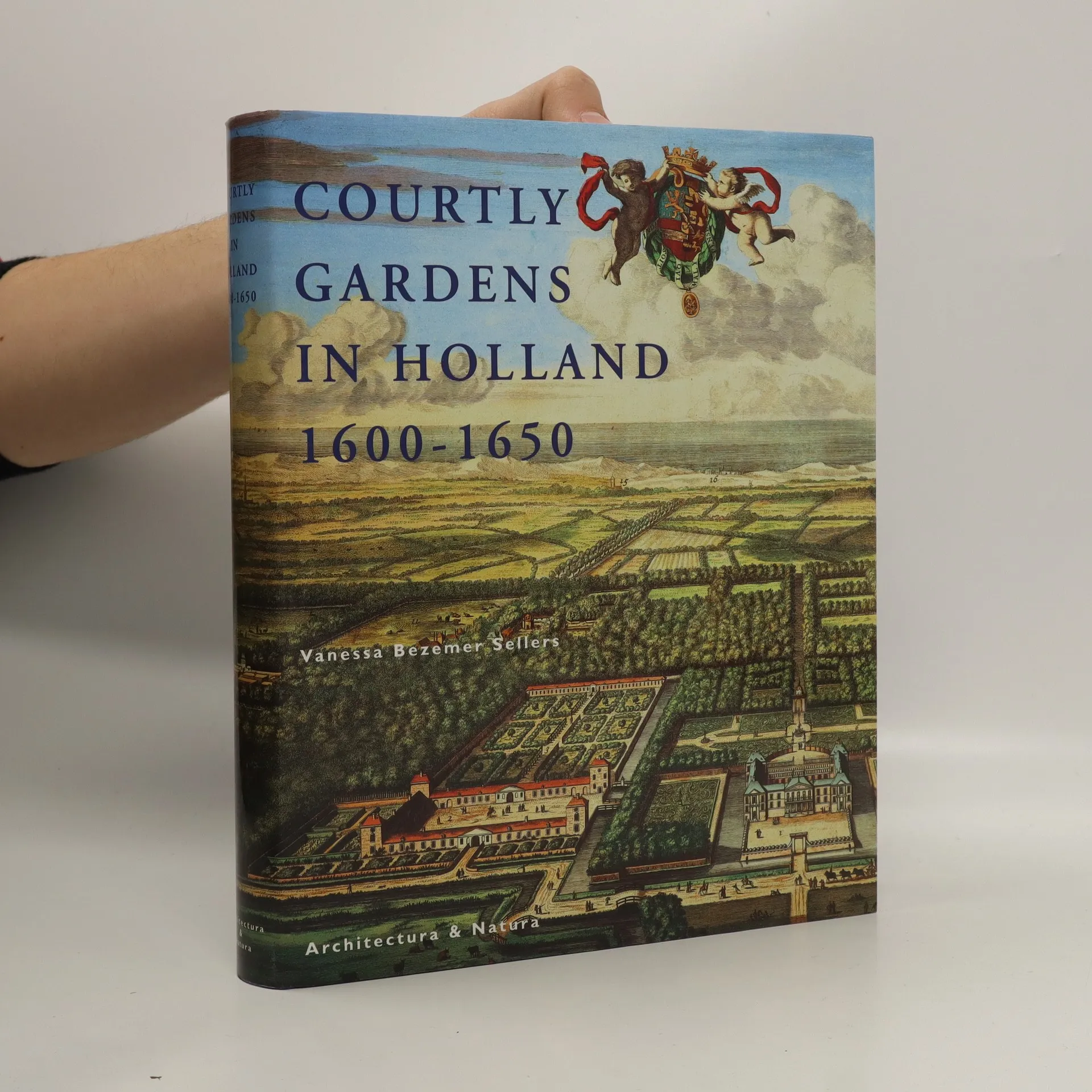
Courtly Gardens in Holland 1600-1650, Vanessa Bezemer Sellers
- Język

- Rok wydania
- 2007
- Oprawa
- (twarda)
Metody płatności
Nikt jeszcze nie ocenił.
- Tytuł
- Courtly Gardens in Holland 1600-1650
- Język
- angielski
- Autorzy
- Vanessa Bezemer Sellers
- Wydawca
- Architectura & Natura
- Rok wydania
- 2007
- Oprawa
- twarda
- Liczba stron
- 424
- ISBN10
- 9071570789
- ISBN13
- 9789071570780
- Seria
- Opis
- By describing garden architecture at the court of Frederik Hendrik and Amalia van Solms in the early 17th century, this work fills a significant gap in art historical research that has previously focused on later 17th century garden architecture. A wealth of hitherto unknown archival documentation combined with maps, prints, letters and literature from the period results in a step by step reconstruction of various lost domains of the Orange family. A complex analysis of the gardens' design history and iconology, set against the background of contemporary architectural theory, traditions of cartography and advances in the military sciences, highlights the development of this unique elusive art form. Of great added value, in addition to an impressive body of illustrations, is the appendix containing the original accounts of payment, listing names of gardeners and the acquisition of plant materials. This book convincingly demonstrates that the Dutch Golden Age should not be viewed as principally i