

Parametry
Więcej o książce
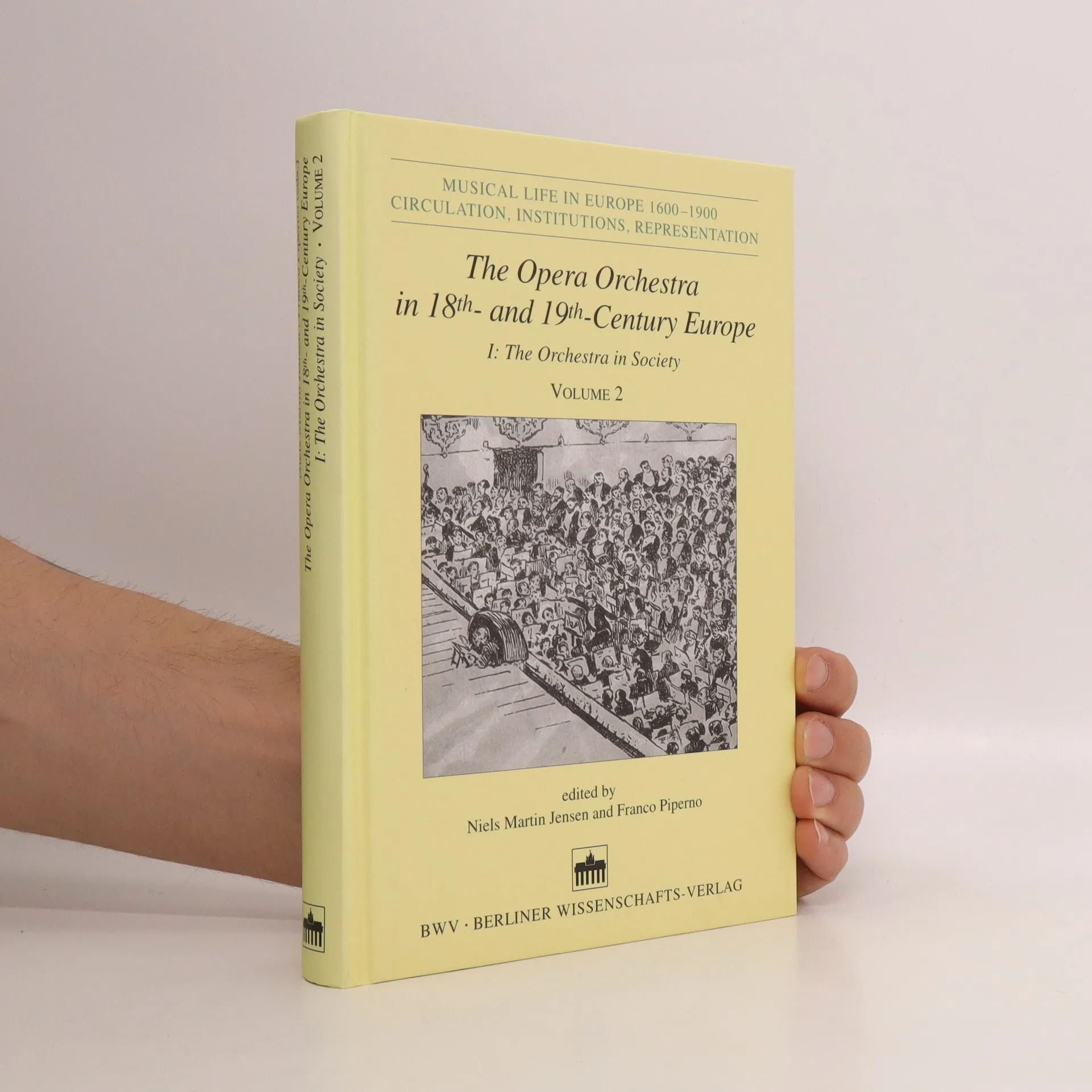
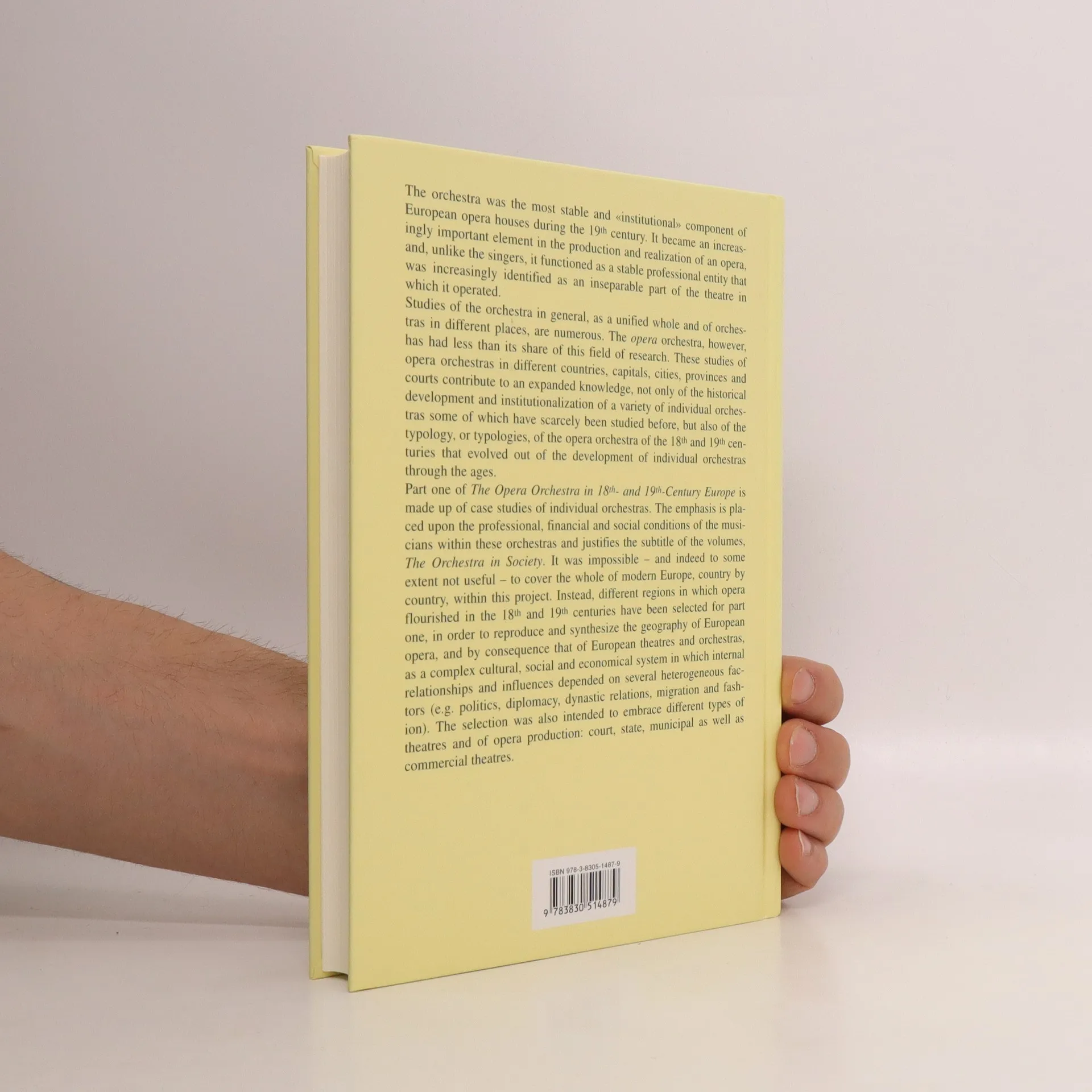
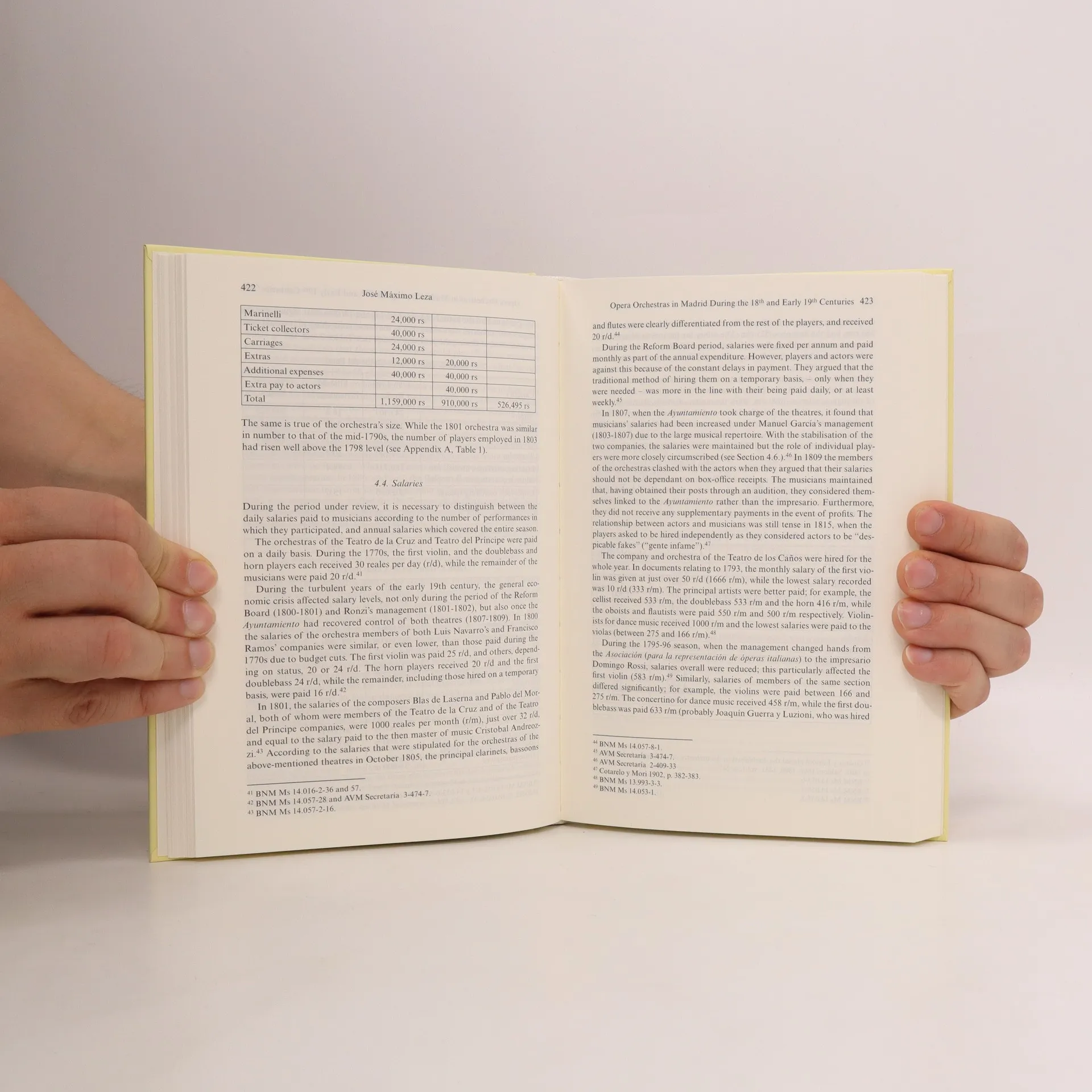
The orchestra emerged as a fundamental and stable component of European opera houses in the 19th century, playing a crucial role in opera production. Unlike singers, orchestras were recognized as a consistent professional entity, integral to the theatrical experience. While numerous studies have examined orchestras broadly, research specifically focused on opera orchestras remains limited. Investigating these orchestras across various countries and regions enhances our understanding of their historical development and institutionalization, as well as the typologies that evolved throughout the 18th and 19th centuries. Part one of this work consists of case studies on individual opera orchestras, emphasizing the professional, financial, and social conditions of the musicians involved. This focus supports the subtitle, The Orchestra in Society. Due to the project's scope, it was impractical to cover all of modern Europe comprehensively. Instead, selected regions where opera thrived during the 18th and 19th centuries are examined, reflecting the geography of European opera and its theaters as a complex cultural, social, and economic system. The selection also aims to include various types of theaters and opera productions, such as court, state, municipal, and commercial venues, highlighting the diverse influences shaping these orchestras.
Zakup książki
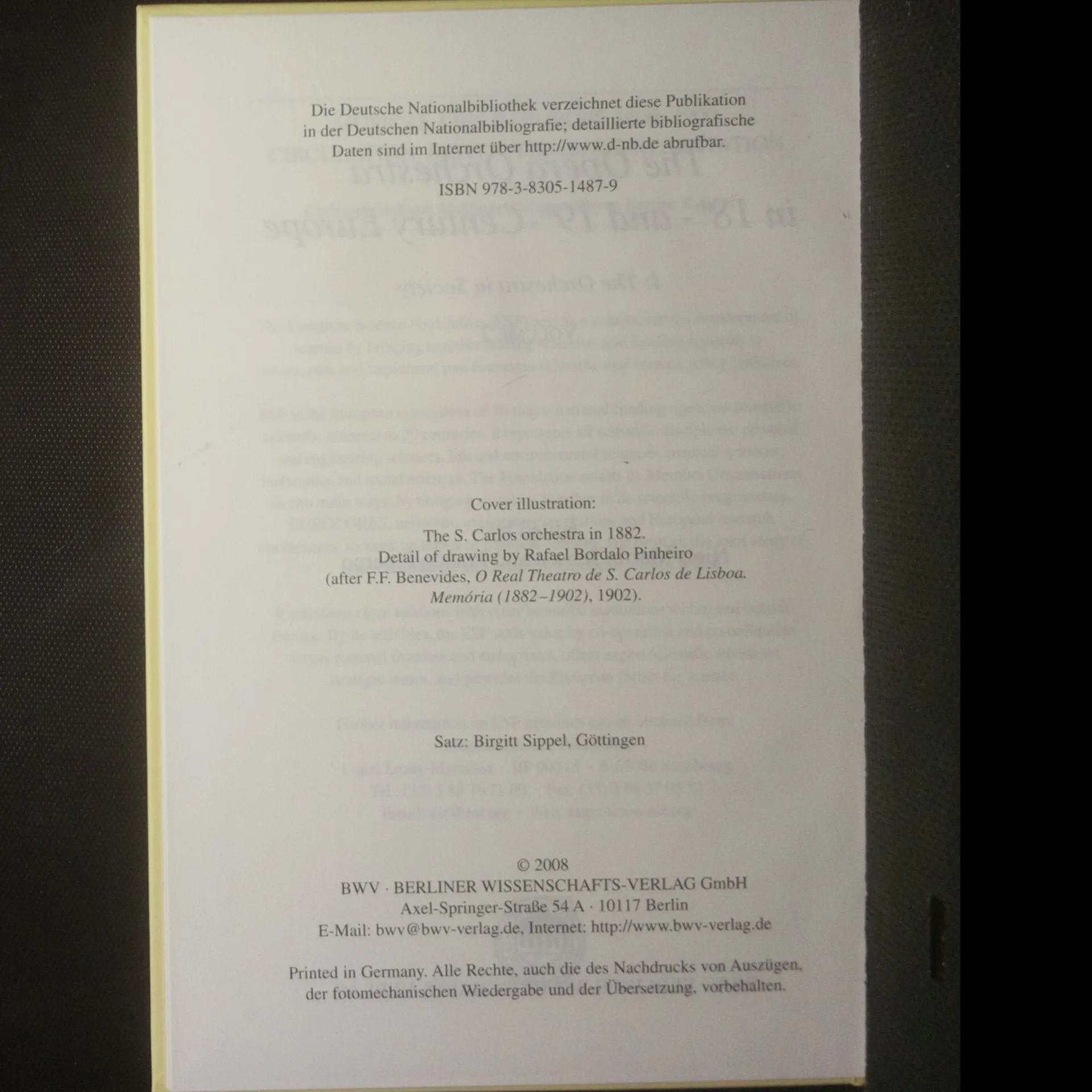
The Opera Orchestra in 18th- and 19th- Century Europe. I, The Orchestra in Society. Volume 2, Niels Martin Jensen, Franco Piperno
- Język


- Rok wydania
- 2008
- Oprawa
- (twarda)
Metody płatności
Nikt jeszcze nie ocenił.
- Tytuł
- The Opera Orchestra in 18th- and 19th- Century Europe. I, The Orchestra in Society. Volume 2
- Język
- angielski, niemiecki
- Autorzy
- Niels Martin Jensen, Franco Piperno
- Rok wydania
- 2008
- Oprawa
- twarda
- ISBN10
- 3830514875
- ISBN13
- 9783830514879
- Seria
- Opis
- The orchestra emerged as a fundamental and stable component of European opera houses in the 19th century, playing a crucial role in opera production. Unlike singers, orchestras were recognized as a consistent professional entity, integral to the theatrical experience. While numerous studies have examined orchestras broadly, research specifically focused on opera orchestras remains limited. Investigating these orchestras across various countries and regions enhances our understanding of their historical development and institutionalization, as well as the typologies that evolved throughout the 18th and 19th centuries. Part one of this work consists of case studies on individual opera orchestras, emphasizing the professional, financial, and social conditions of the musicians involved. This focus supports the subtitle, The Orchestra in Society. Due to the project's scope, it was impractical to cover all of modern Europe comprehensively. Instead, selected regions where opera thrived during the 18th and 19th centuries are examined, reflecting the geography of European opera and its theaters as a complex cultural, social, and economic system. The selection also aims to include various types of theaters and opera productions, such as court, state, municipal, and commercial venues, highlighting the diverse influences shaping these orchestras.