

Więcej o książce
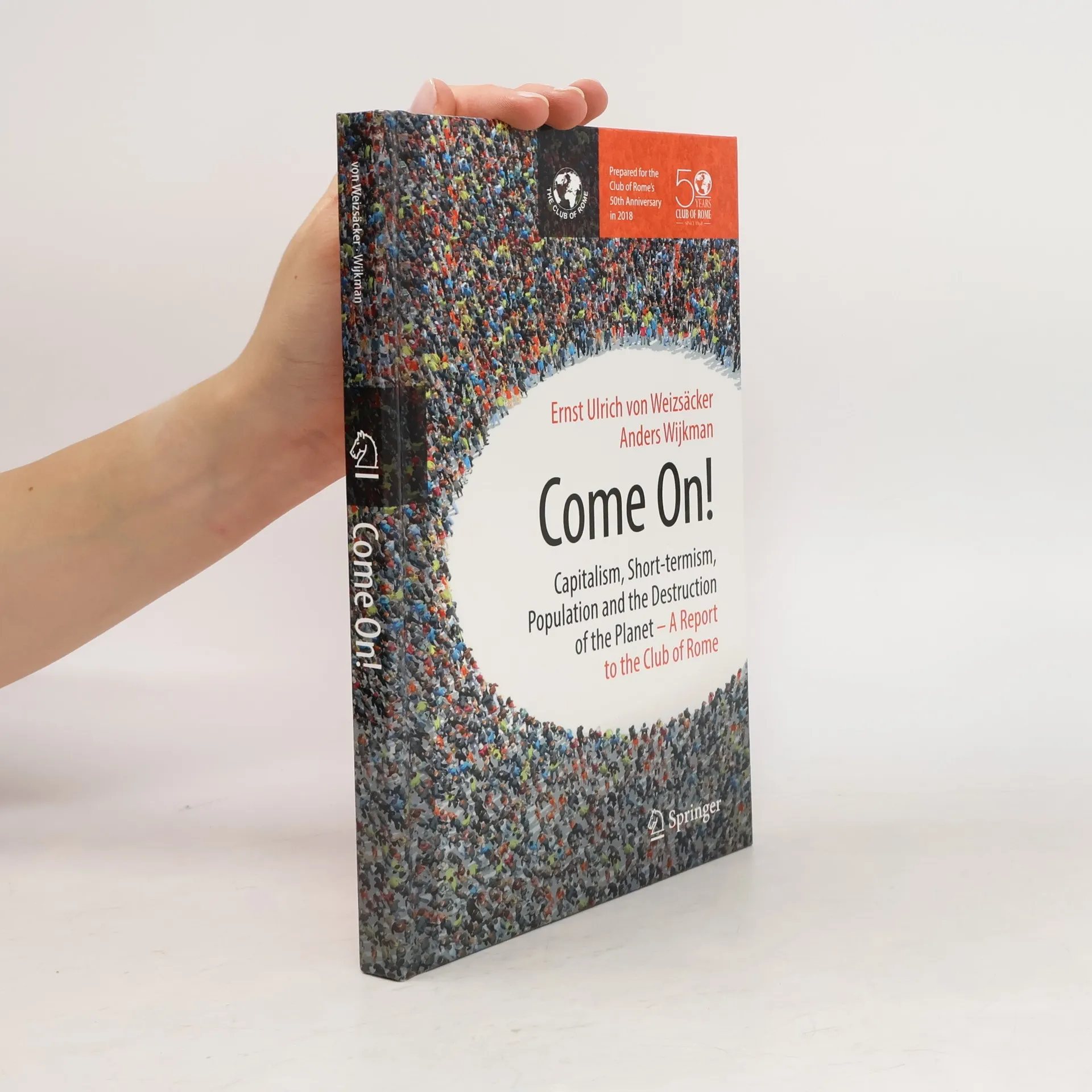
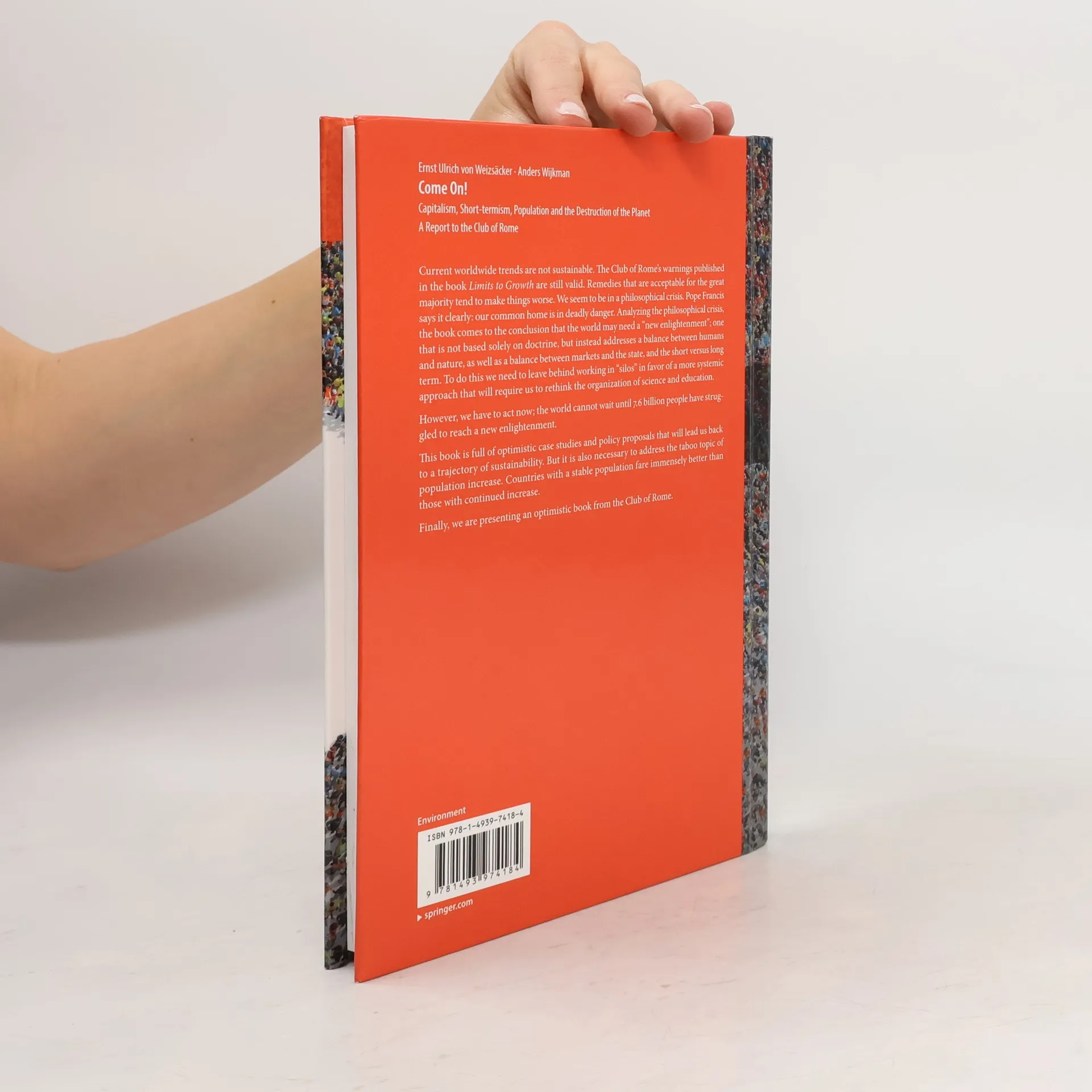
Current worldwide trends are not sustainable. The Club of Rome’s warnings published in the book Limits to Growth are still valid. Remedies that are acceptable for the great majority tend to make things worse. We seem to be in a philosophical crisis. Pope Francis says it clearly: our common home is in deadly danger. Analyzing the philosophical crisis, the book comes to the conclusion that the world may need a “new enlightenment”; one that is not based solely on doctrine, but instead addresses a balance between humans and nature, as well as a balance between markets and the state, and the short versus long term. To do this we need to leave behind working in ”silos” in favor of a more systemic approach that will require us to rethink the organization of science and education. However, we have to act now; the world cannot wait until 7.6 billion people have struggled to reach a new enlightenment. This book is full of optimistic case studies and policy proposals that will lead us back to a trajectory of sustainability. But it is also necessary to address the taboo topic of population increase. Countries with a stable population fare immensely better than those with continued increase. Finally, we are presenting an optimistic book from the Club of Rome.
Zakup książki
Come On!, Ernst von Weizsaecker, Anders Wijkman
- Język

- Rok wydania
- 2017
- Oprawa
- (twarda)
Metody płatności
Brakuje nam tutaj Twojej recenzji.
- Tytuł
- Come On!
- Język
- angielski
- Autorzy
- Ernst von Weizsaecker, Anders Wijkman
- Wydawca
- Springer New York
- Rok wydania
- 2017
- Oprawa
- twarda
- Liczba stron
- 234
- ISBN10
- 1493974181
- ISBN13
- 9781493974184
- Seria
- Kategorie
- Ocena
- 3,35 z 5
- Opis
- Current worldwide trends are not sustainable. The Club of Rome’s warnings published in the book Limits to Growth are still valid. Remedies that are acceptable for the great majority tend to make things worse. We seem to be in a philosophical crisis. Pope Francis says it clearly: our common home is in deadly danger. Analyzing the philosophical crisis, the book comes to the conclusion that the world may need a “new enlightenment”; one that is not based solely on doctrine, but instead addresses a balance between humans and nature, as well as a balance between markets and the state, and the short versus long term. To do this we need to leave behind working in ”silos” in favor of a more systemic approach that will require us to rethink the organization of science and education. However, we have to act now; the world cannot wait until 7.6 billion people have struggled to reach a new enlightenment. This book is full of optimistic case studies and policy proposals that will lead us back to a trajectory of sustainability. But it is also necessary to address the taboo topic of population increase. Countries with a stable population fare immensely better than those with continued increase. Finally, we are presenting an optimistic book from the Club of Rome.