




Więcej o książce
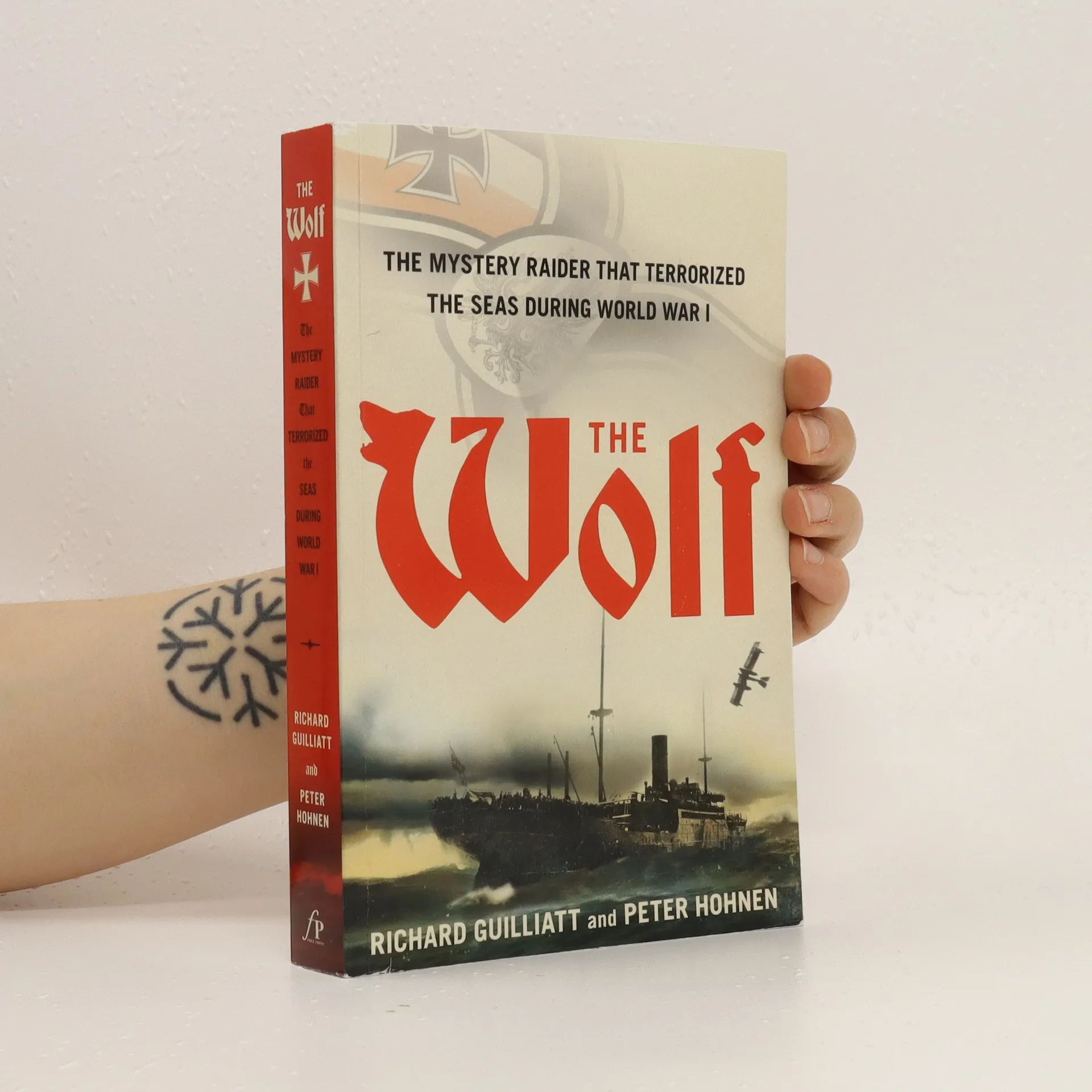
On November 30, 1916, a freighter departed from Kiel, Germany, embarking on a remarkable 64,000-mile journey that would last fifteen months. This was no ordinary freighter; it was the Wolf, a disguised German warship. Richard Guilliatt and Peter Hohnen recount the Wolf's mission to disrupt British Empire ports by laying minefields and sinking freighters, aiming to starve the enemy into submission. To maintain secrecy, the ship could not dock or use its radio, and its captain sought to avoid civilian casualties, taking crews and passengers prisoner before sinking their vessels. The Wolf became a floating prison, holding over 400 captives from 25 nations, including women and children. Struggling to survive on supplies taken from other ships and facing threats from Allied navies, the Germans and their prisoners forged a bond in their shared will to survive, transcending racial and national divisions. Under Captain Karl Nerger, who conducted operations with a sense of chivalry, the Wolf traversed three oceans, destroying over 30 Allied vessels. The narrative explores the world of the time, marked by social divisions, bravery, and the clash of old traditions with rapid technological advancements. This epic voyage offers a vivid portrayal of a world transformed by war.
Zakup książki
The Wolf: The mystery raider that terrorized the seas during World War I, Richard Guilliatt, Peter Hohnen
- Język

- Rok wydania
- 2011
- Oprawa
- (twarda)
Metody płatności
Brakuje nam tutaj Twojej recenzji.
- Tytuł
- The Wolf: The mystery raider that terrorized the seas during World War I
- Język
- angielski
- Autorzy
- Richard Guilliatt, Peter Hohnen
- Wydawca
- Free Press, 2011
- Rok wydania
- 2011
- Oprawa
- twarda
- Liczba stron
- 400
- ISBN10
- 1416576118
- ISBN13
- 9781416576112
- Seria
- Kategorie
- Ocena
- 4,2 z 5
- Opis
- On November 30, 1916, a freighter departed from Kiel, Germany, embarking on a remarkable 64,000-mile journey that would last fifteen months. This was no ordinary freighter; it was the Wolf, a disguised German warship. Richard Guilliatt and Peter Hohnen recount the Wolf's mission to disrupt British Empire ports by laying minefields and sinking freighters, aiming to starve the enemy into submission. To maintain secrecy, the ship could not dock or use its radio, and its captain sought to avoid civilian casualties, taking crews and passengers prisoner before sinking their vessels. The Wolf became a floating prison, holding over 400 captives from 25 nations, including women and children. Struggling to survive on supplies taken from other ships and facing threats from Allied navies, the Germans and their prisoners forged a bond in their shared will to survive, transcending racial and national divisions. Under Captain Karl Nerger, who conducted operations with a sense of chivalry, the Wolf traversed three oceans, destroying over 30 Allied vessels. The narrative explores the world of the time, marked by social divisions, bravery, and the clash of old traditions with rapid technological advancements. This epic voyage offers a vivid portrayal of a world transformed by war.